Blue Quill Fly
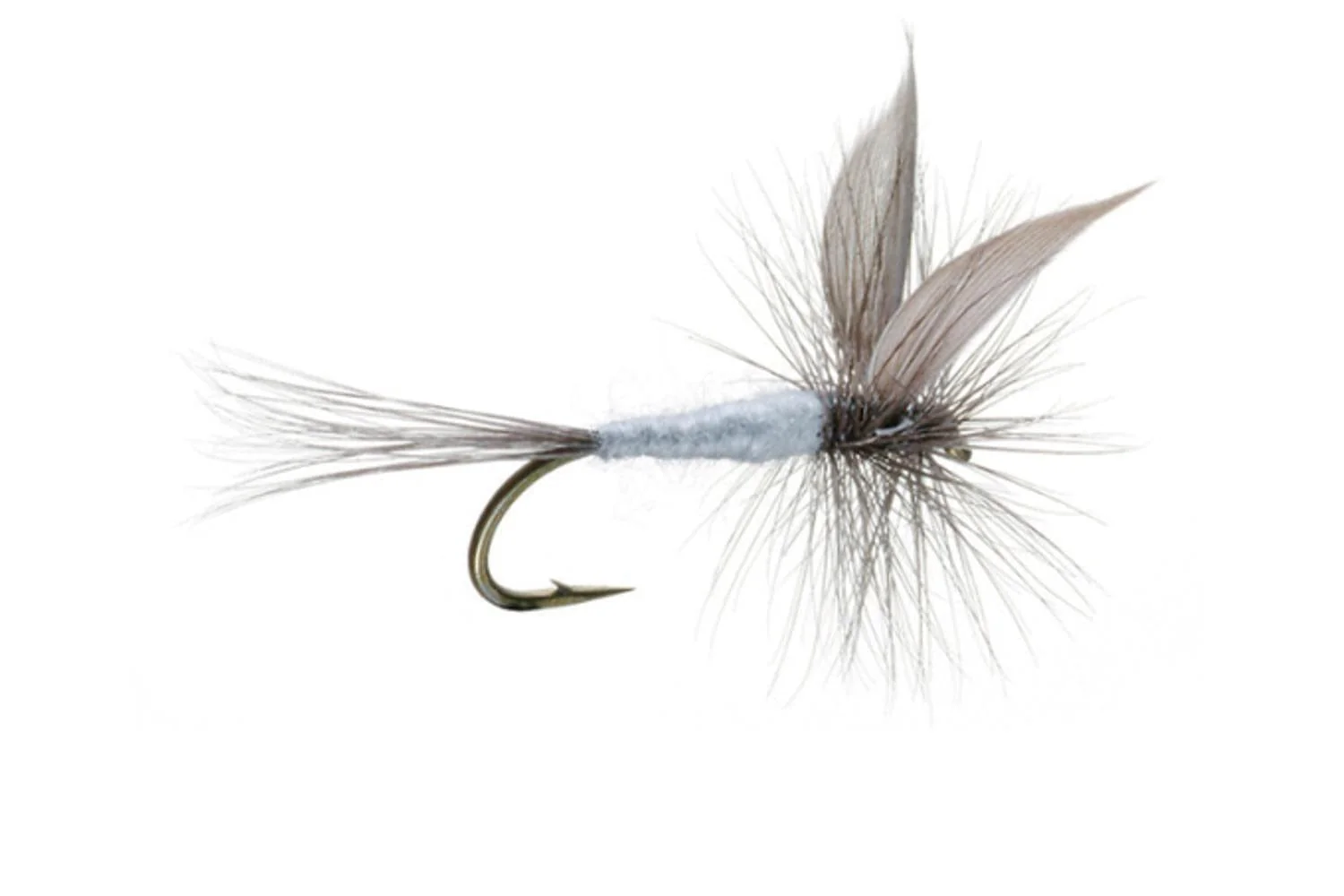
The Blue Quill is a classic dry fly pattern designed to imitate the early season hatches of Paraleptophlebia mayflies found on many trout streams. This pattern is a mandatory addition to your fly box for spring fishing when trout become selective to the specific size and dark color of these insects. It is primarily used to target trout feeding on the surface during the first reliable dry fly hatches of the year.
What It Imitates
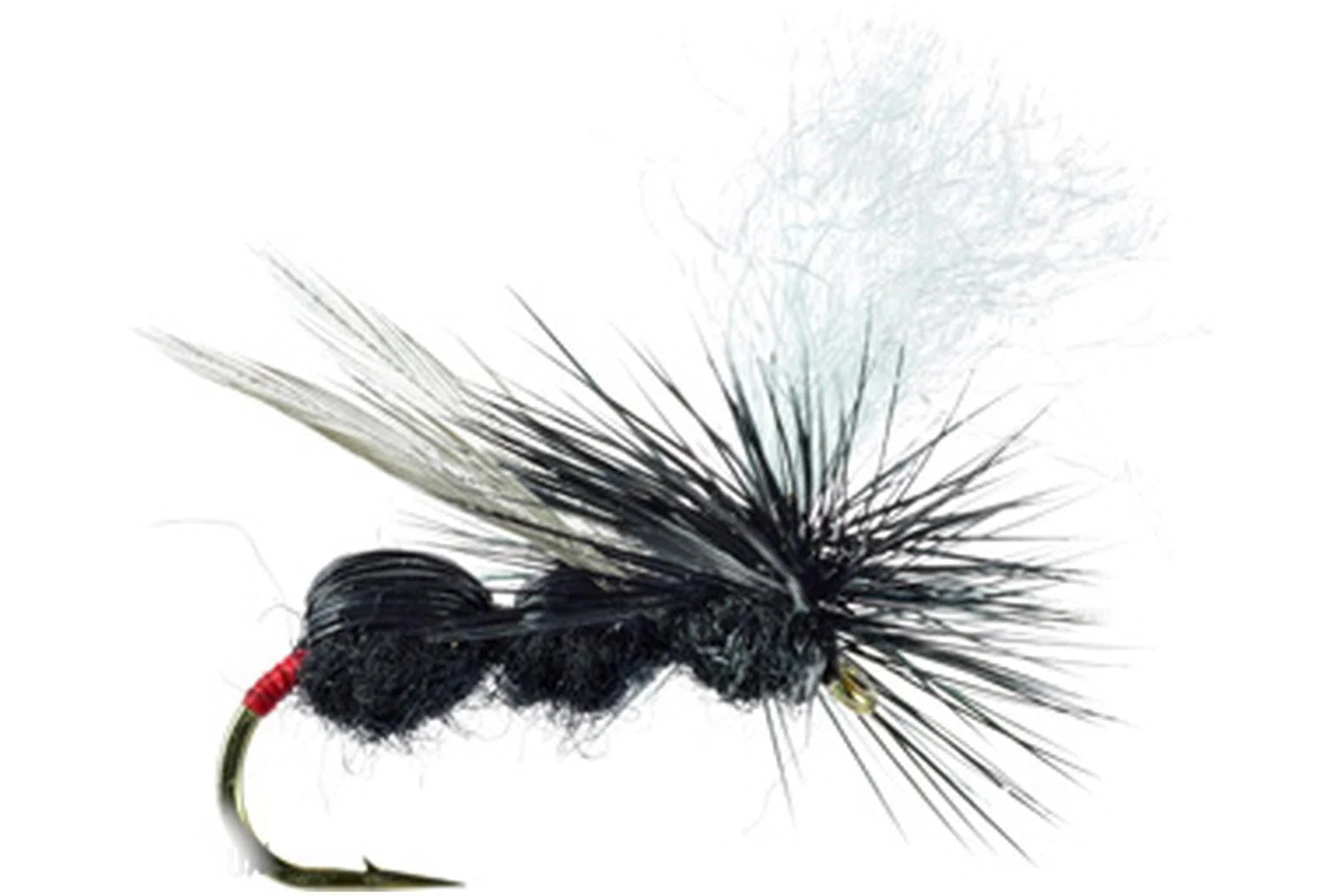
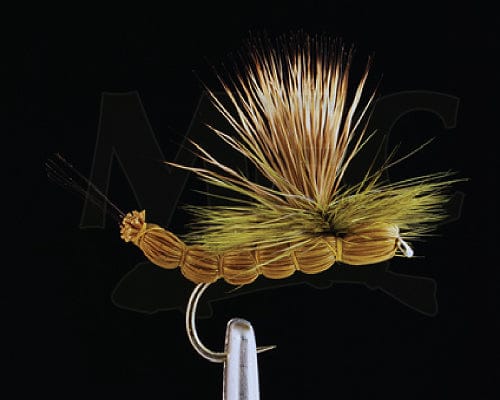
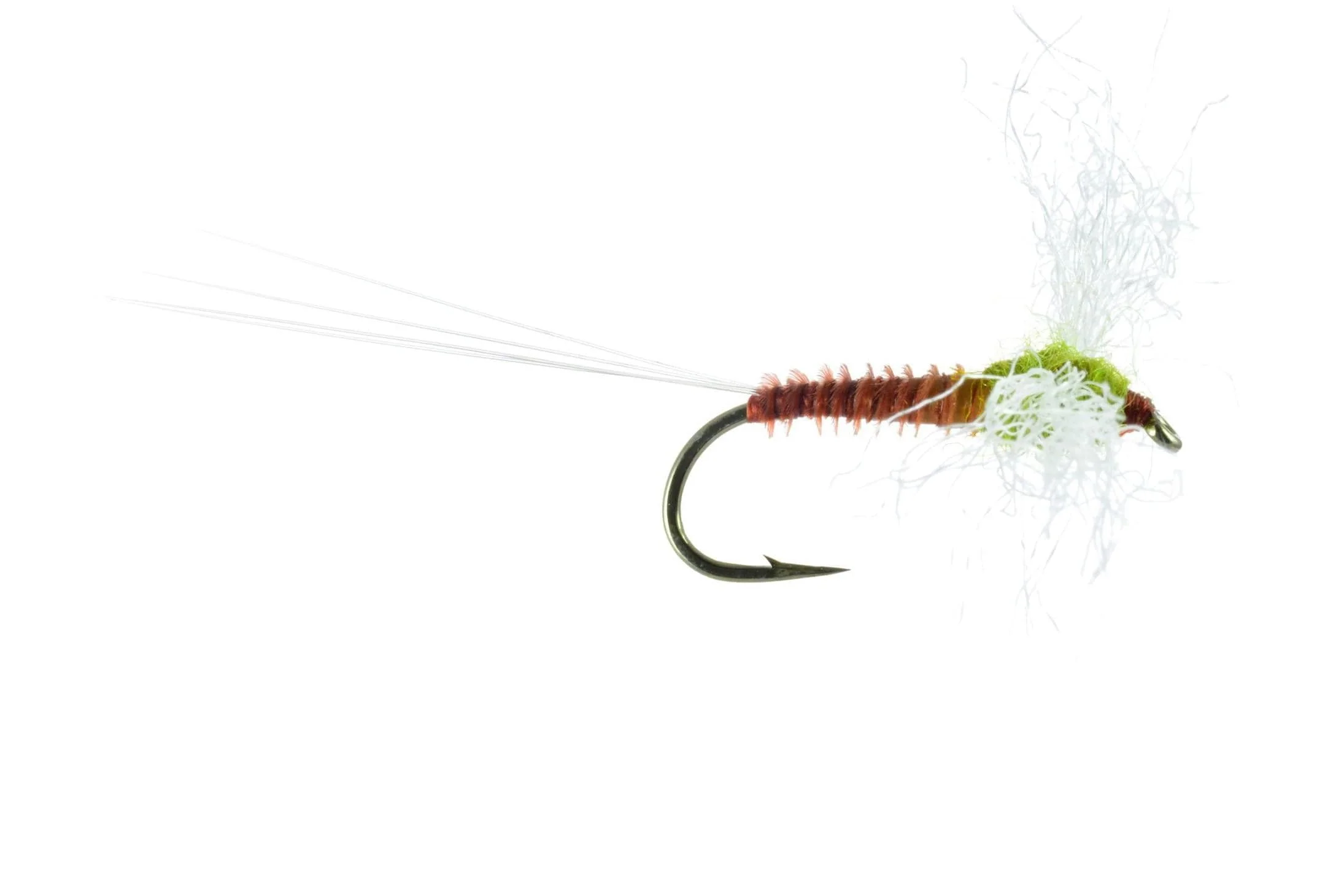
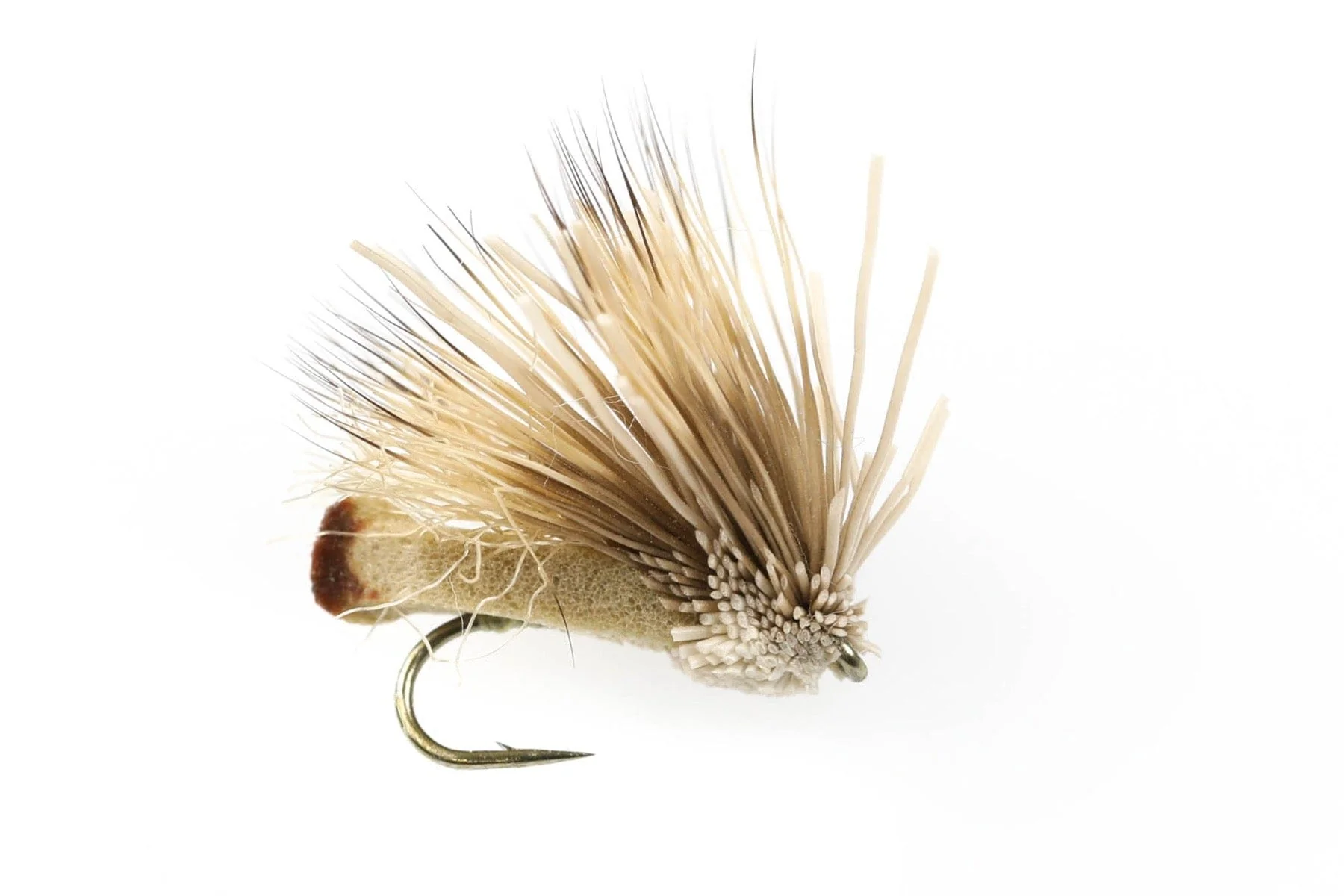
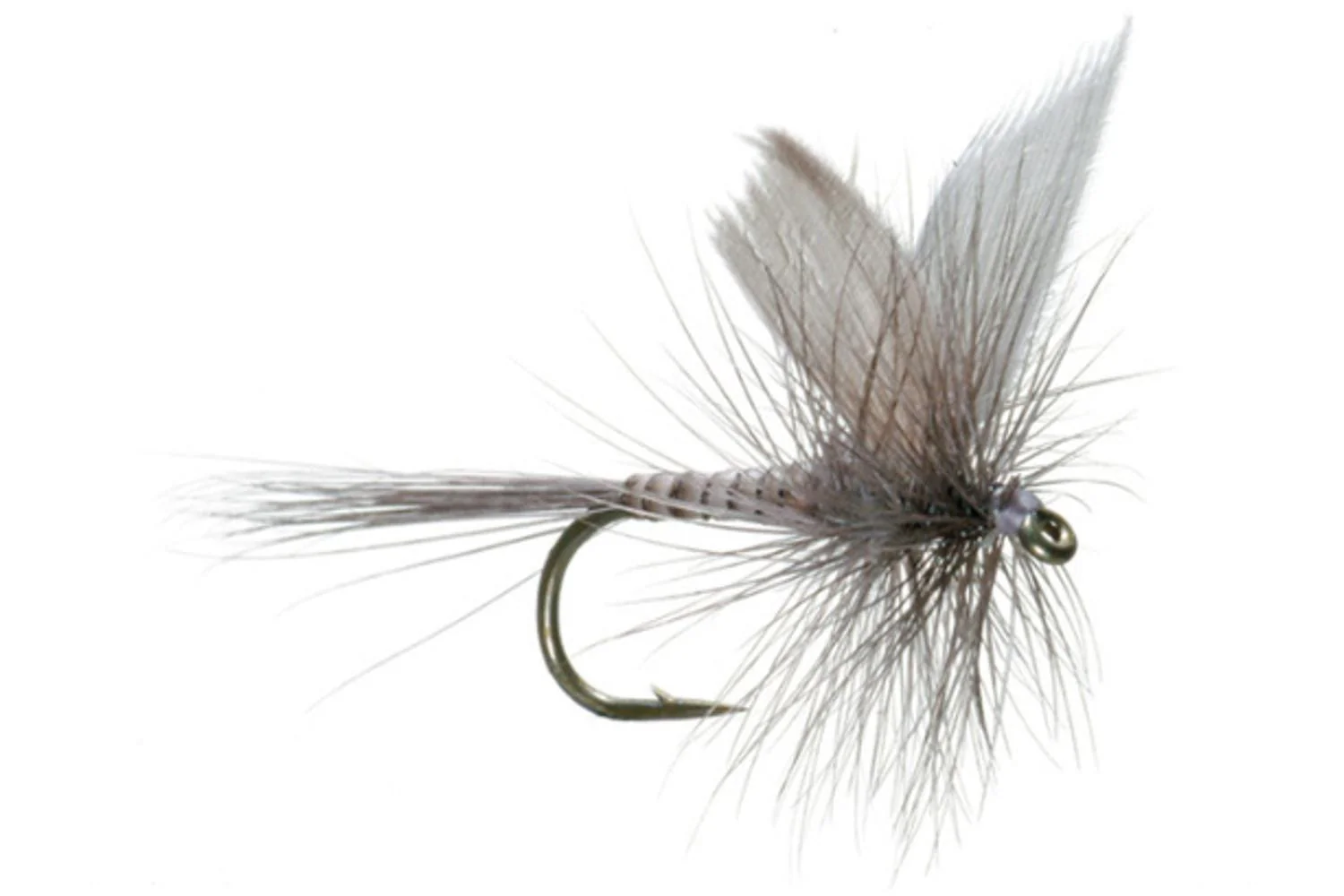
This fly mimics the adult dun stage of the Blue Quill mayfly. It replicates the slender, dark blue-gray body and the upright wing profile of the natural insect. The pattern captures the distinct silhouette that trout look for during these specific springtime emergences.
How To Use It
Fish this fly with a drag-free dead drift over feeding fish. It requires a delicate presentation, so use a long leader with fine tippet, typically 5X or 6X, to minimize drag on the water surface. Cast upstream or slightly across the current to allow the fly to float naturally into the feeding lane of a rising trout.
When To Use It
Tie this pattern on during the midday hours in early spring, usually when water temperatures reach the high 40s or low 50s. It performs best on overcast, cool days when the hatch is most intense and fish are rising steadily. This fly is the correct choice when you see medium-sized, dark gray mayflies on the water.
Why We Like It
We appreciate this pattern because it solves the puzzle of selective spring trout that refuse generic flies. The specific body color and sparse profile offer a more realistic trigger than standard attractor patterns during a Blue Quill hatch. It is a reliable tool for fooling wary fish in clear, slow-moving water.
Comparisons
Blue Quill vs. Blue Winged Olive: The Blue Winged Olive (BWO) features an olive body, while the Blue Quill has a distinct dark gray or blue-gray body. You should choose the Blue Quill when Paraleptophlebia mayflies are hatching, typically in early spring, and switch to the BWO when Baetis mayflies are present. While both are essential dry flies, the color difference is critical when trout are keyed in on a specific insect.
Blue Quill vs. Parachute Adams: The Parachute Adams is a general attractor pattern that mimics a wide range of mayflies but lacks specific coloration. The Blue Quill is a precise imitation with a slender body and traditional hackle collar. Select the Parachute Adams for searching fast water, but switch to the Blue Quill when fish in slower water are scrutinizing the fly and demanding a closer match to the natural.
Blue Quill vs. Red Quill: The Red Quill is designed to imitate the Hendrickson hatch, which appears around the same time of year but has a reddish-brown body and is generally larger. The Blue Quill is smaller with a dark gray body. Use the Red Quill for the larger Hendrickson mayflies and the Blue Quill for the smaller, darker insects that often hatch earlier in the day or season.
Original: $2.99
-70%$2.99
$0.90Product Information
Product Information
Shipping & Returns
Shipping & Returns
Description
The Blue Quill is a classic dry fly pattern designed to imitate the early season hatches of Paraleptophlebia mayflies found on many trout streams. This pattern is a mandatory addition to your fly box for spring fishing when trout become selective to the specific size and dark color of these insects. It is primarily used to target trout feeding on the surface during the first reliable dry fly hatches of the year.
What It Imitates
This fly mimics the adult dun stage of the Blue Quill mayfly. It replicates the slender, dark blue-gray body and the upright wing profile of the natural insect. The pattern captures the distinct silhouette that trout look for during these specific springtime emergences.
How To Use It
Fish this fly with a drag-free dead drift over feeding fish. It requires a delicate presentation, so use a long leader with fine tippet, typically 5X or 6X, to minimize drag on the water surface. Cast upstream or slightly across the current to allow the fly to float naturally into the feeding lane of a rising trout.
When To Use It
Tie this pattern on during the midday hours in early spring, usually when water temperatures reach the high 40s or low 50s. It performs best on overcast, cool days when the hatch is most intense and fish are rising steadily. This fly is the correct choice when you see medium-sized, dark gray mayflies on the water.
Why We Like It
We appreciate this pattern because it solves the puzzle of selective spring trout that refuse generic flies. The specific body color and sparse profile offer a more realistic trigger than standard attractor patterns during a Blue Quill hatch. It is a reliable tool for fooling wary fish in clear, slow-moving water.
Comparisons
Blue Quill vs. Blue Winged Olive: The Blue Winged Olive (BWO) features an olive body, while the Blue Quill has a distinct dark gray or blue-gray body. You should choose the Blue Quill when Paraleptophlebia mayflies are hatching, typically in early spring, and switch to the BWO when Baetis mayflies are present. While both are essential dry flies, the color difference is critical when trout are keyed in on a specific insect.
Blue Quill vs. Parachute Adams: The Parachute Adams is a general attractor pattern that mimics a wide range of mayflies but lacks specific coloration. The Blue Quill is a precise imitation with a slender body and traditional hackle collar. Select the Parachute Adams for searching fast water, but switch to the Blue Quill when fish in slower water are scrutinizing the fly and demanding a closer match to the natural.
Blue Quill vs. Red Quill: The Red Quill is designed to imitate the Hendrickson hatch, which appears around the same time of year but has a reddish-brown body and is generally larger. The Blue Quill is smaller with a dark gray body. Use the Red Quill for the larger Hendrickson mayflies and the Blue Quill for the smaller, darker insects that often hatch earlier in the day or season.