Rewa River Camps
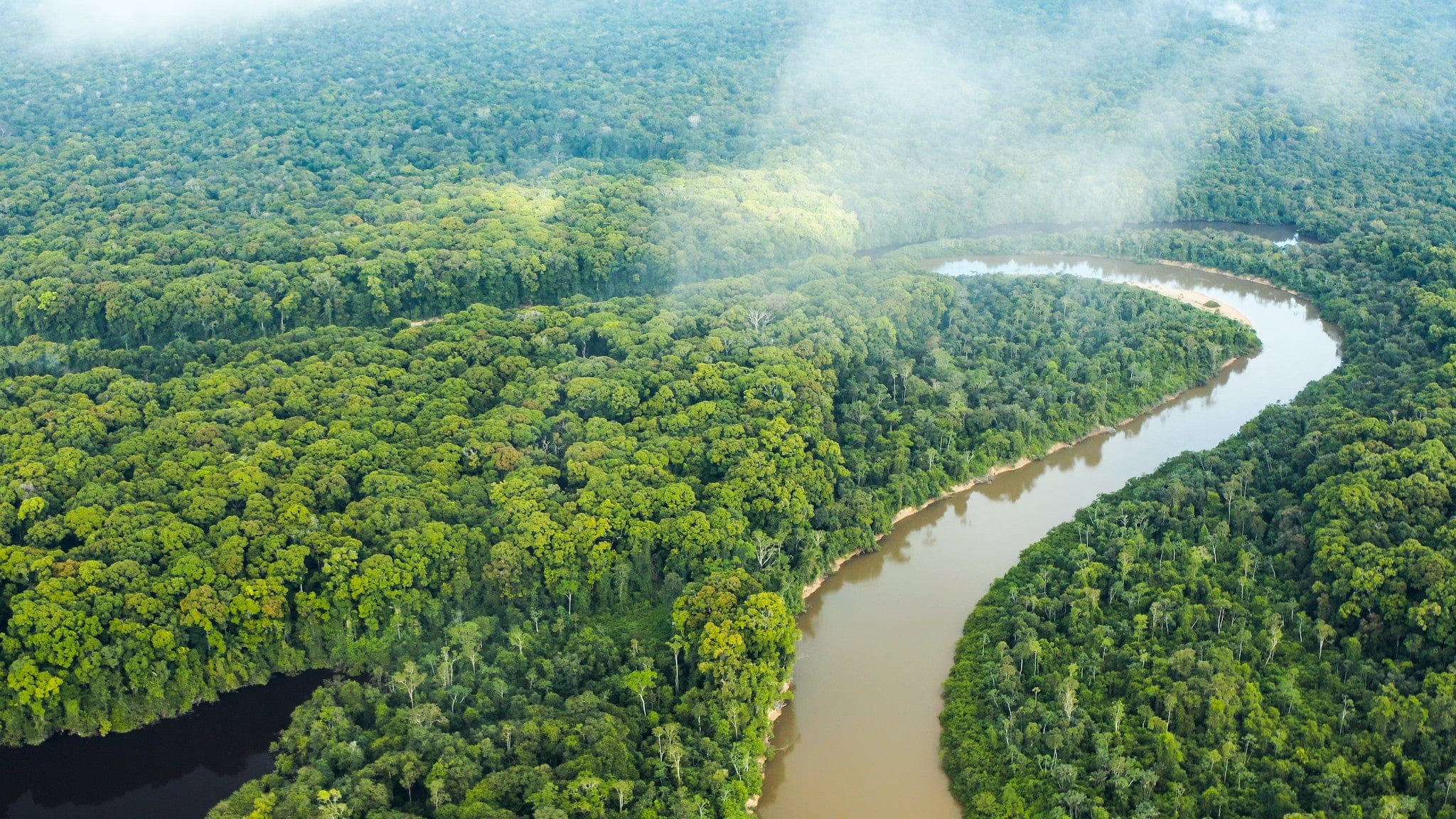
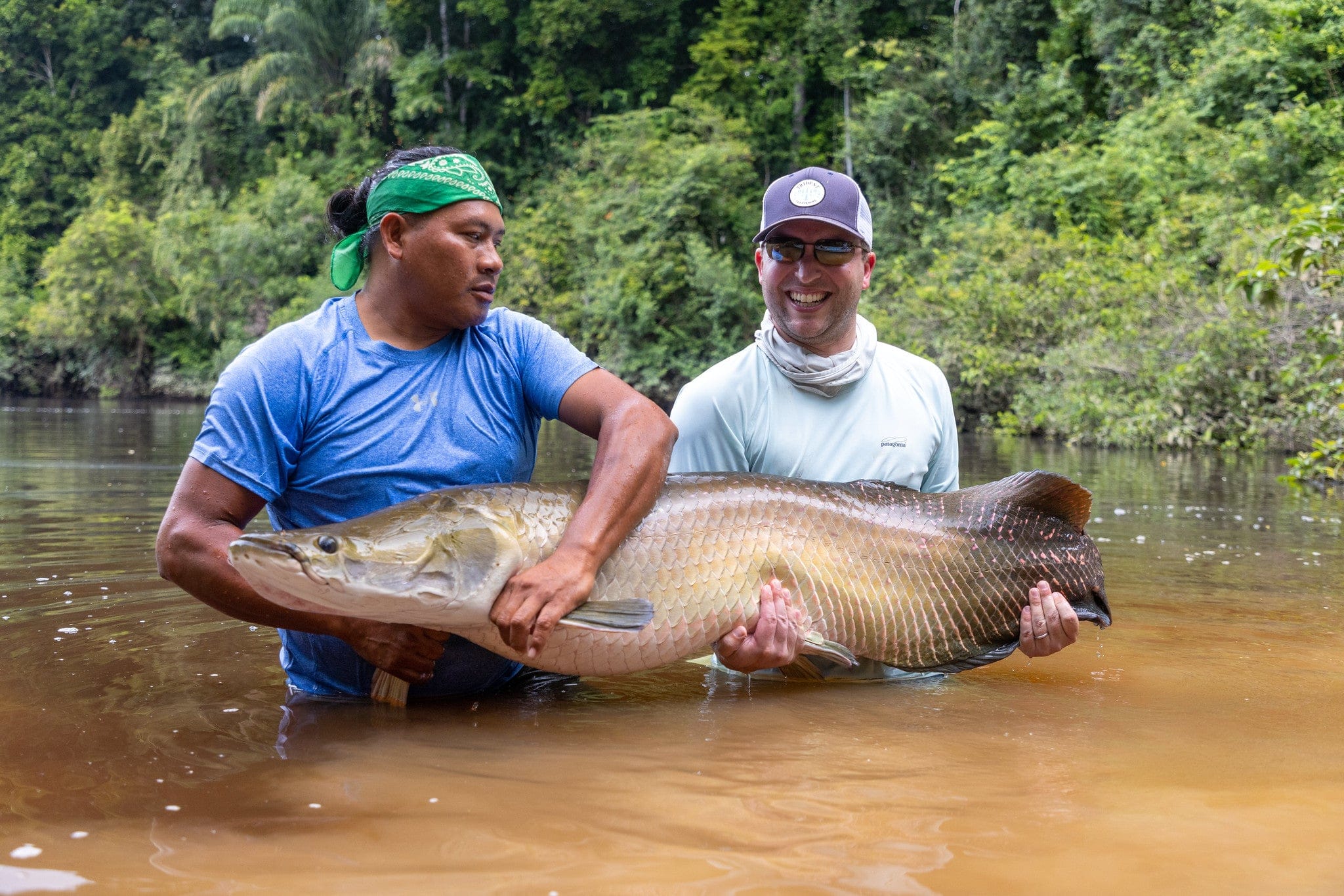
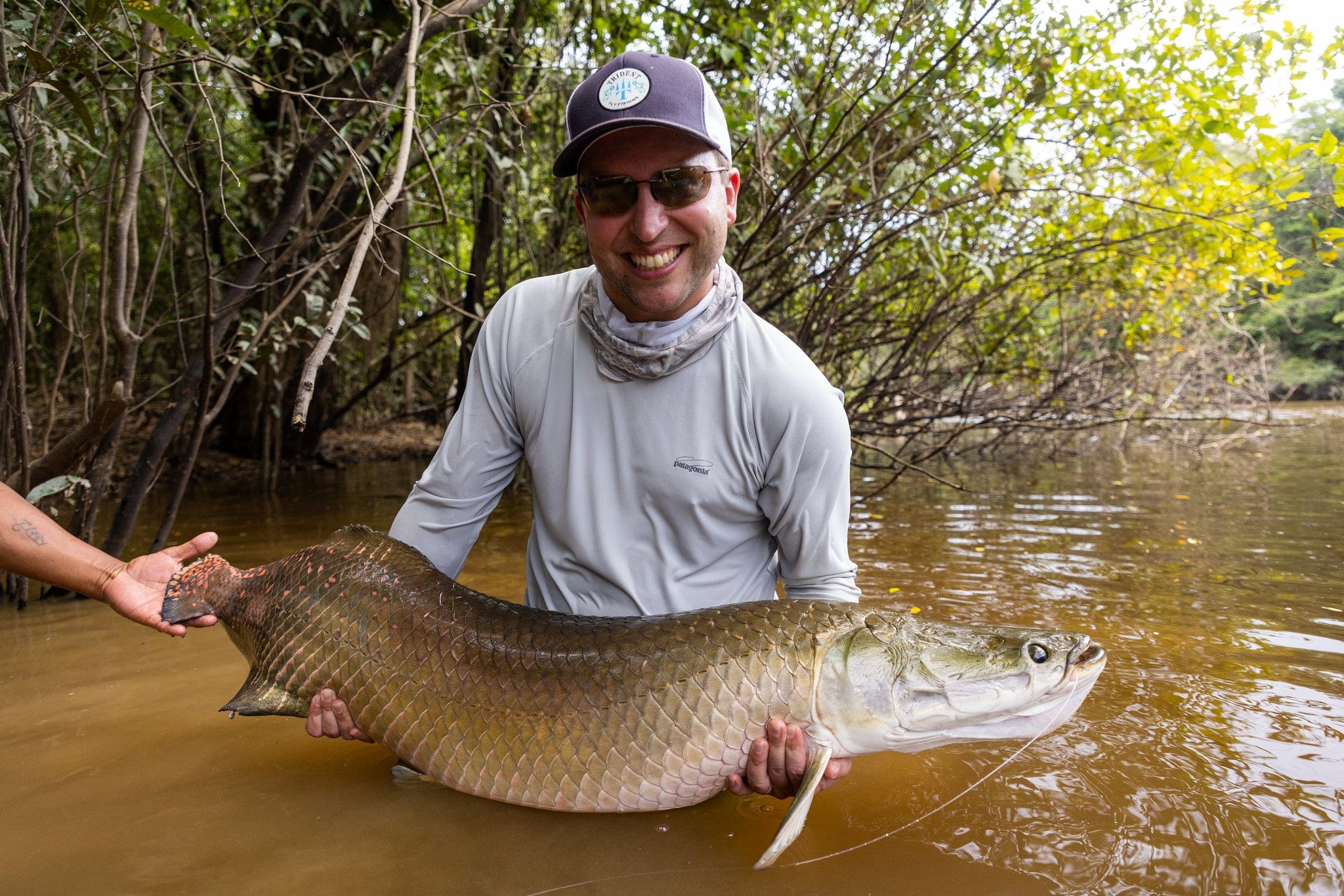
For the intrepid angler, a week spent fly fishing for giant Arapaima at the Rewa River Camps is an adventure of a lifetime. This rustic jungle camp is located in the heart of the Guyanese rainforest on the Rewa River. Arapaima are the primary target species, found in the vast network of ponds surrounding the camps. Being the largest scaled freshwater fish in the world, Arapaima exceeding 100 pounds are caught frequently here. In fact, guests will often hook fish well over 200 pounds, testing the limits of fishing tackle and angler endurance. Peacock Bass, Payara, and other jungle species are also targeted in the rivers and ponds surrounding the camp, making each day a thrilling experience with many possibilities.
Who It's For
- Adventurous anglers
When To Go
Rewa River Camps is located in the heart of the rainforest, so the fishing seasons are scheduled during the dry seasons. February through March is considered the spring fishing season, offering lower water and the best shot at multiple species. October through November is the fall fishing season and typically yields well-rested fish after the rainy season
Arapaima
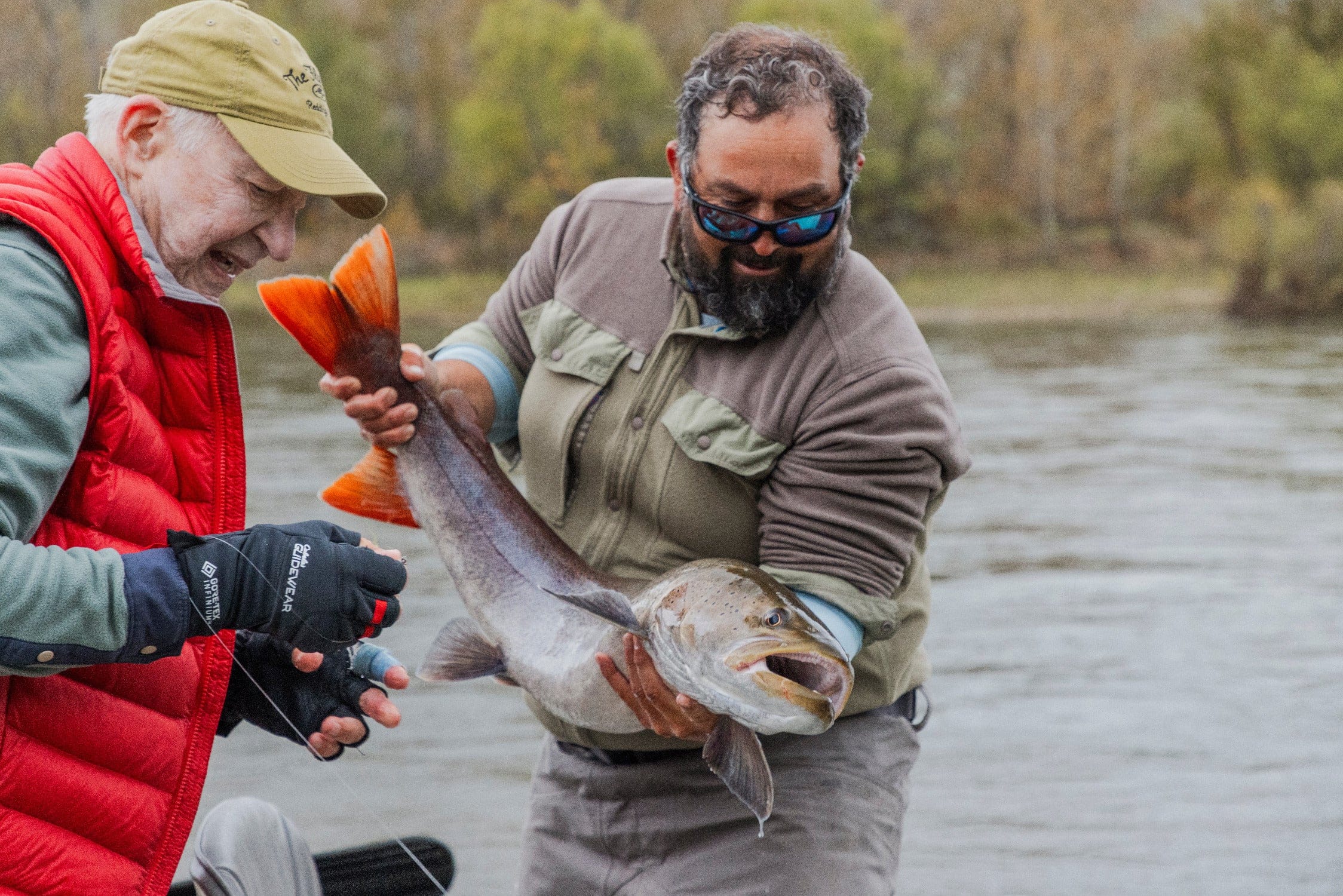
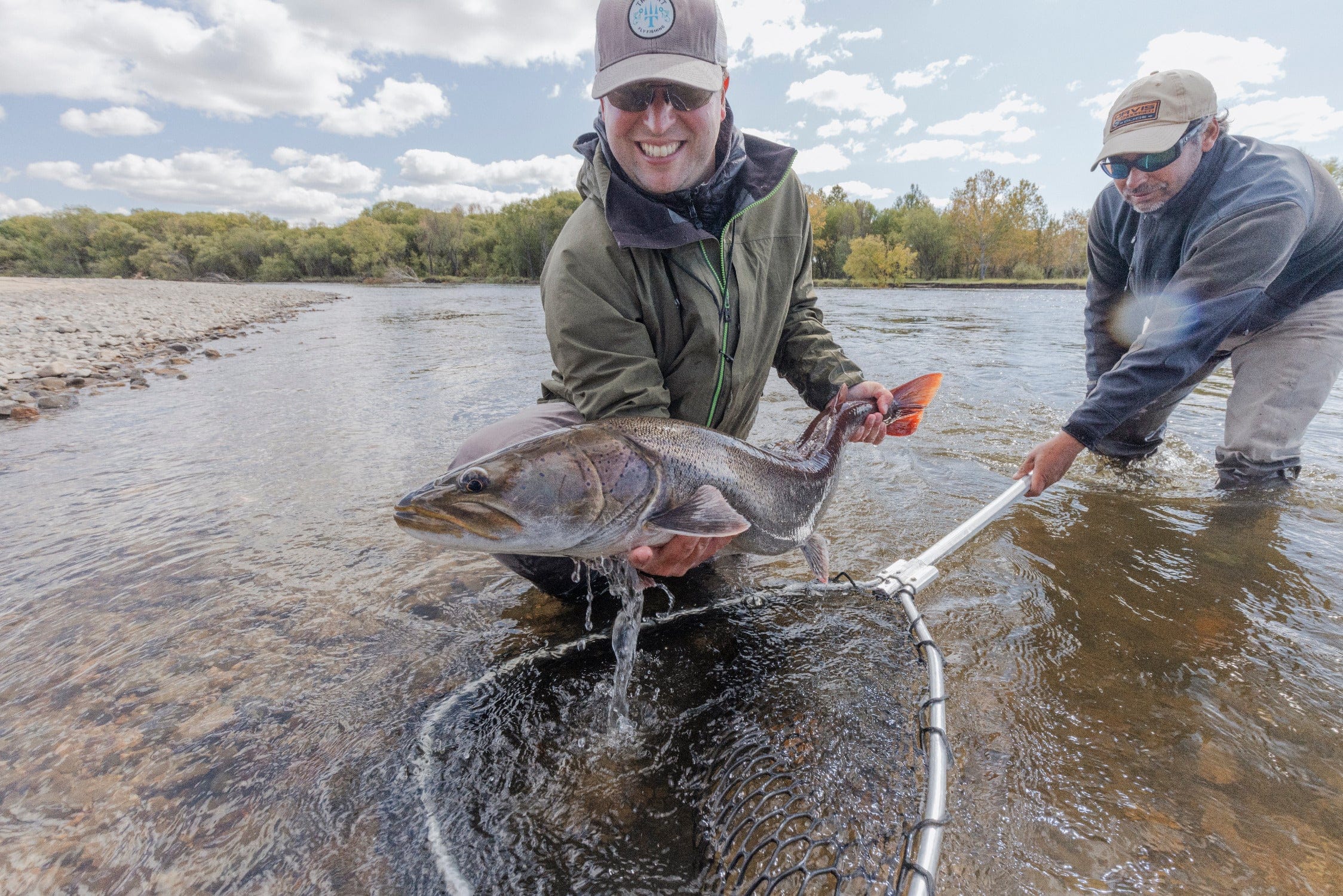
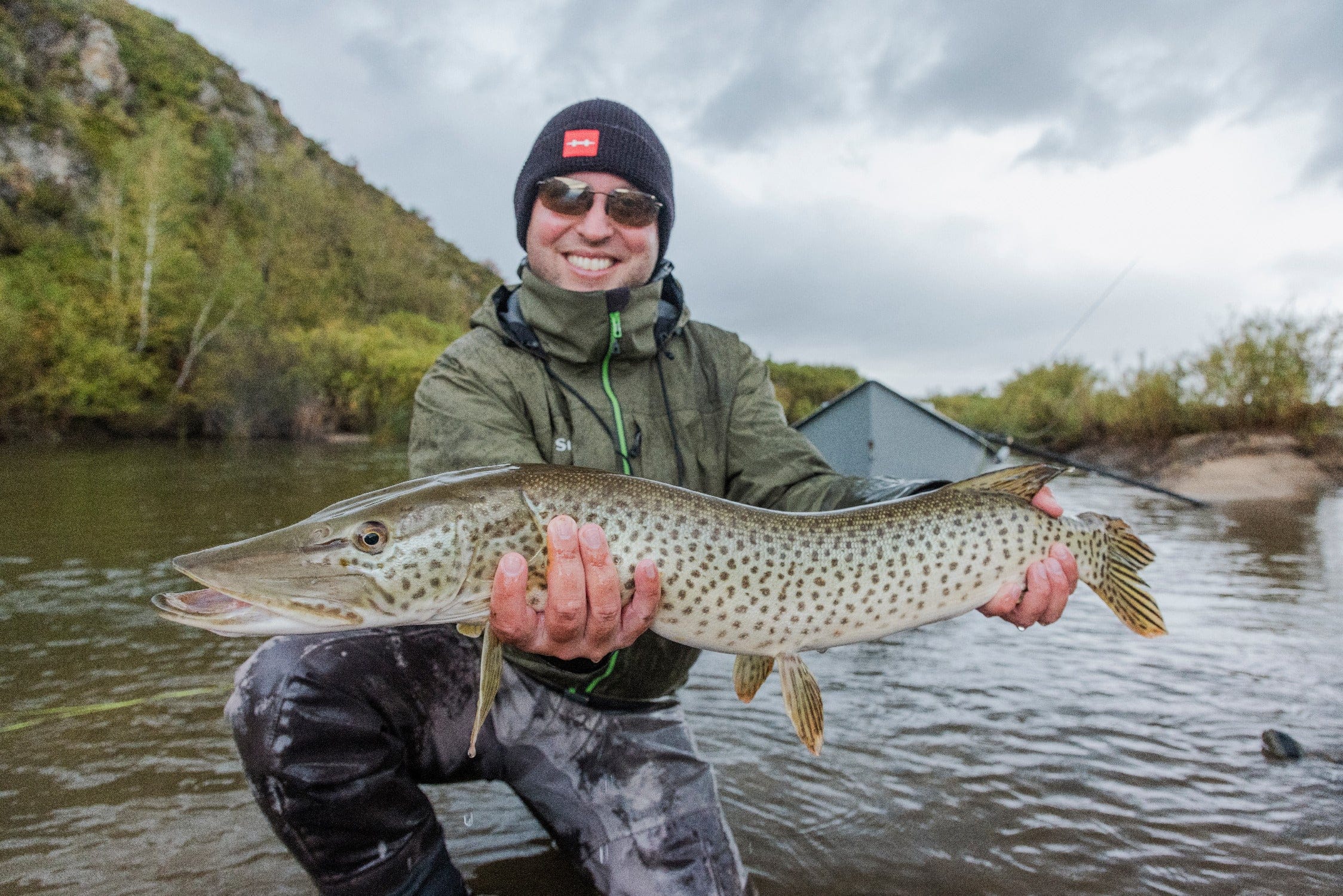
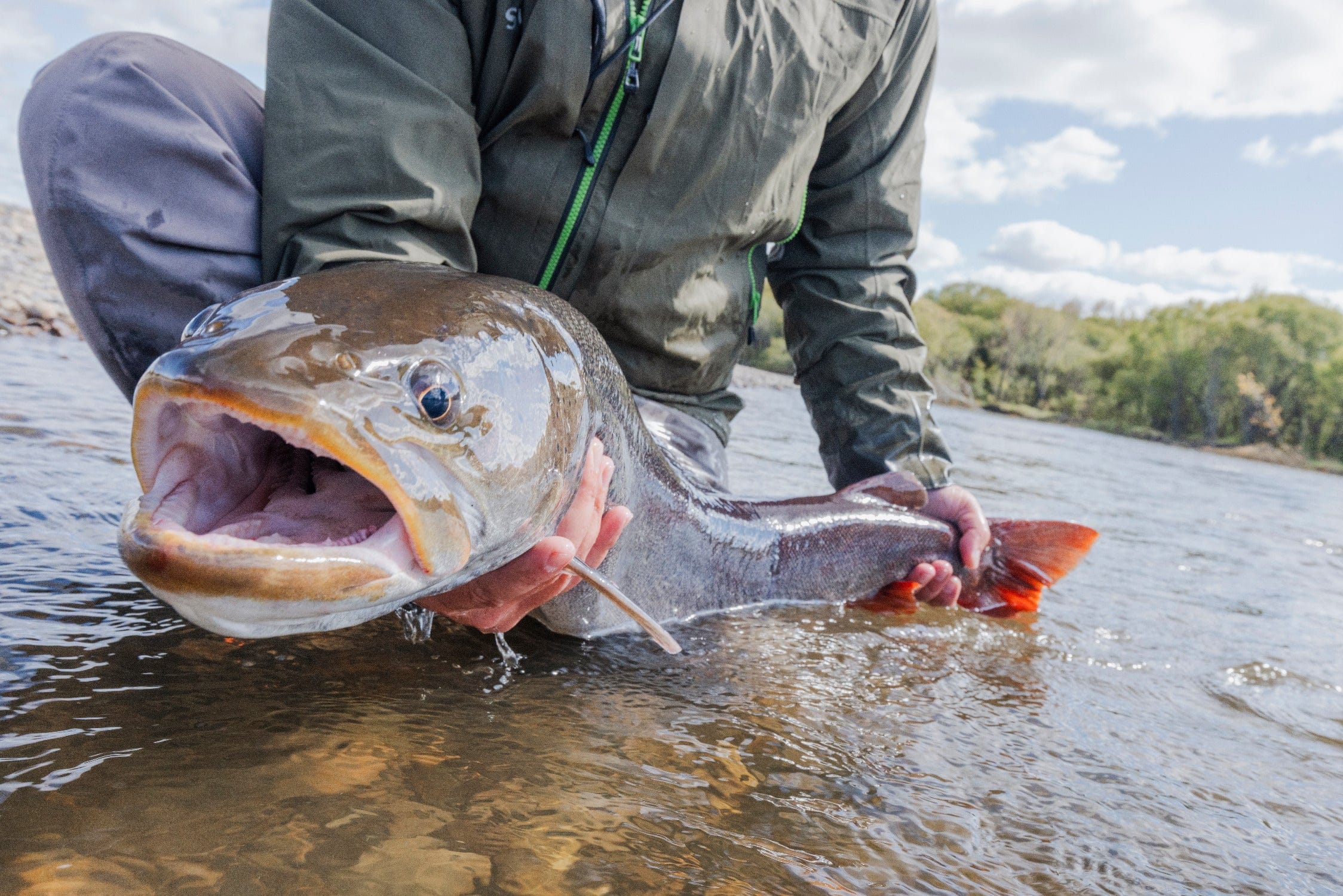
Known as the Jungle Tarpon, the Arapaima is one of the largest and most impressive freshwater gamefish on the planet. Due to their keen intelligence and ability to hide, Arapaima require patience and skill to be successful. This angling adventure is more akin to big-game hunting than to other fishing expeditions. However, the rush of hooking and battling a prehistoric leviathan is unrivaled, with six-foot-long specimens often leaping and head-thrashing mere yards from your rod tip. While this isn't a trip for everyone, anglers seeking raw adventure and the challenge of catching giant fish will be at home at Rewa River Camps.
Other Species
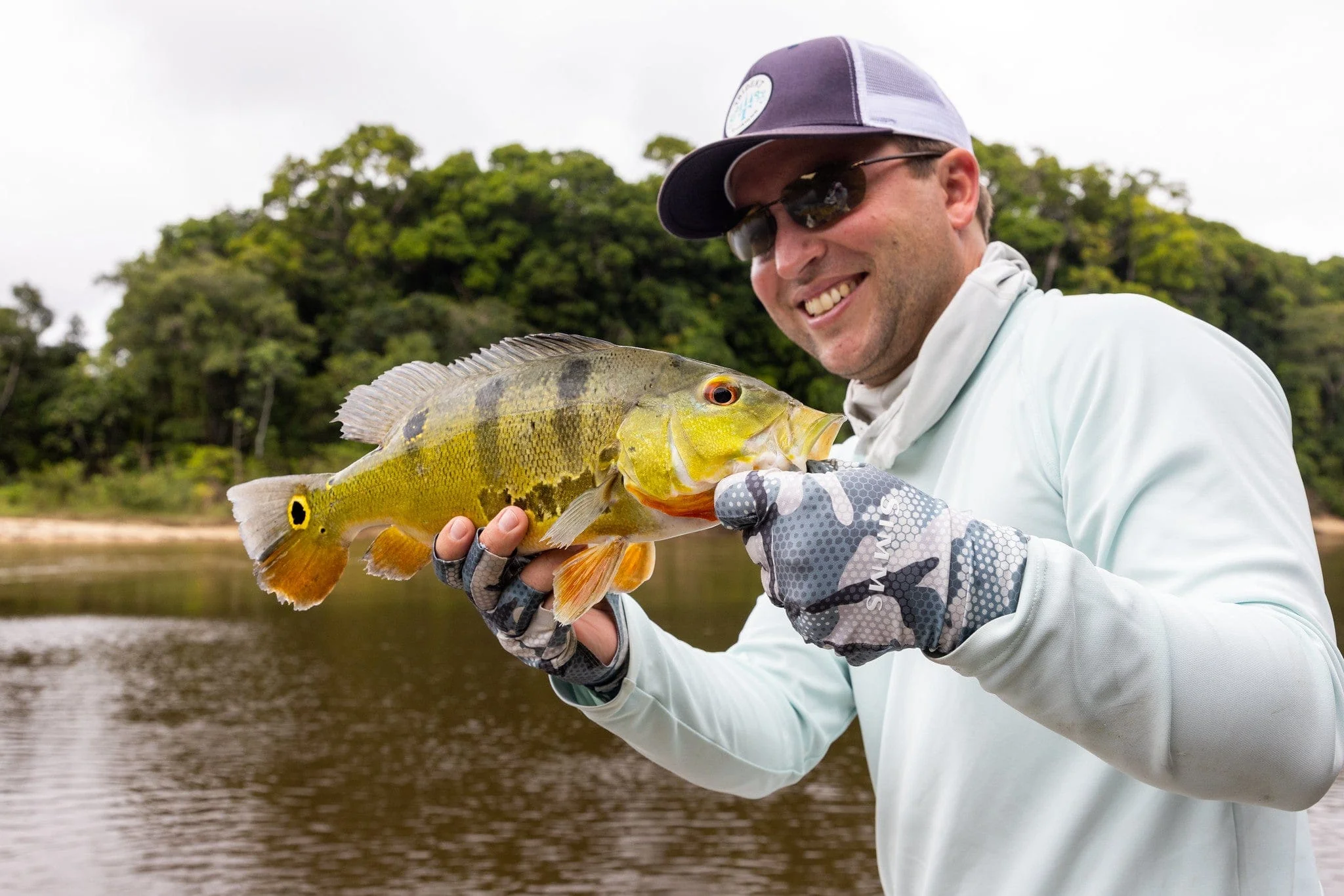
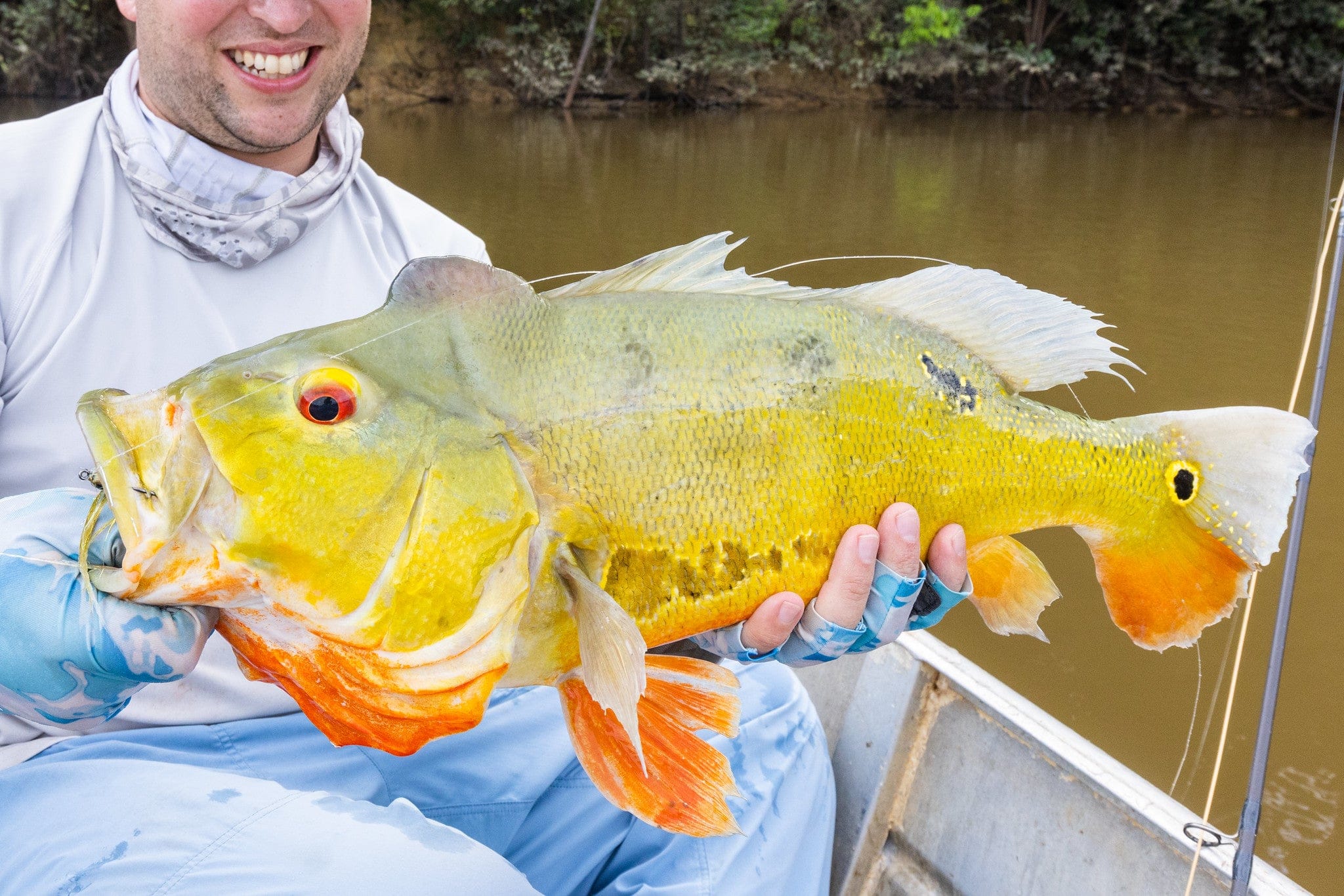
While hunting for Arapaima, it is possible to encounter Payara, Peacock Bass, Baicuda, Haimara, and Surubi. These jungle fish are excellent fly rod targets, known for their eagerness to take flies and their unique beauty.
Boats
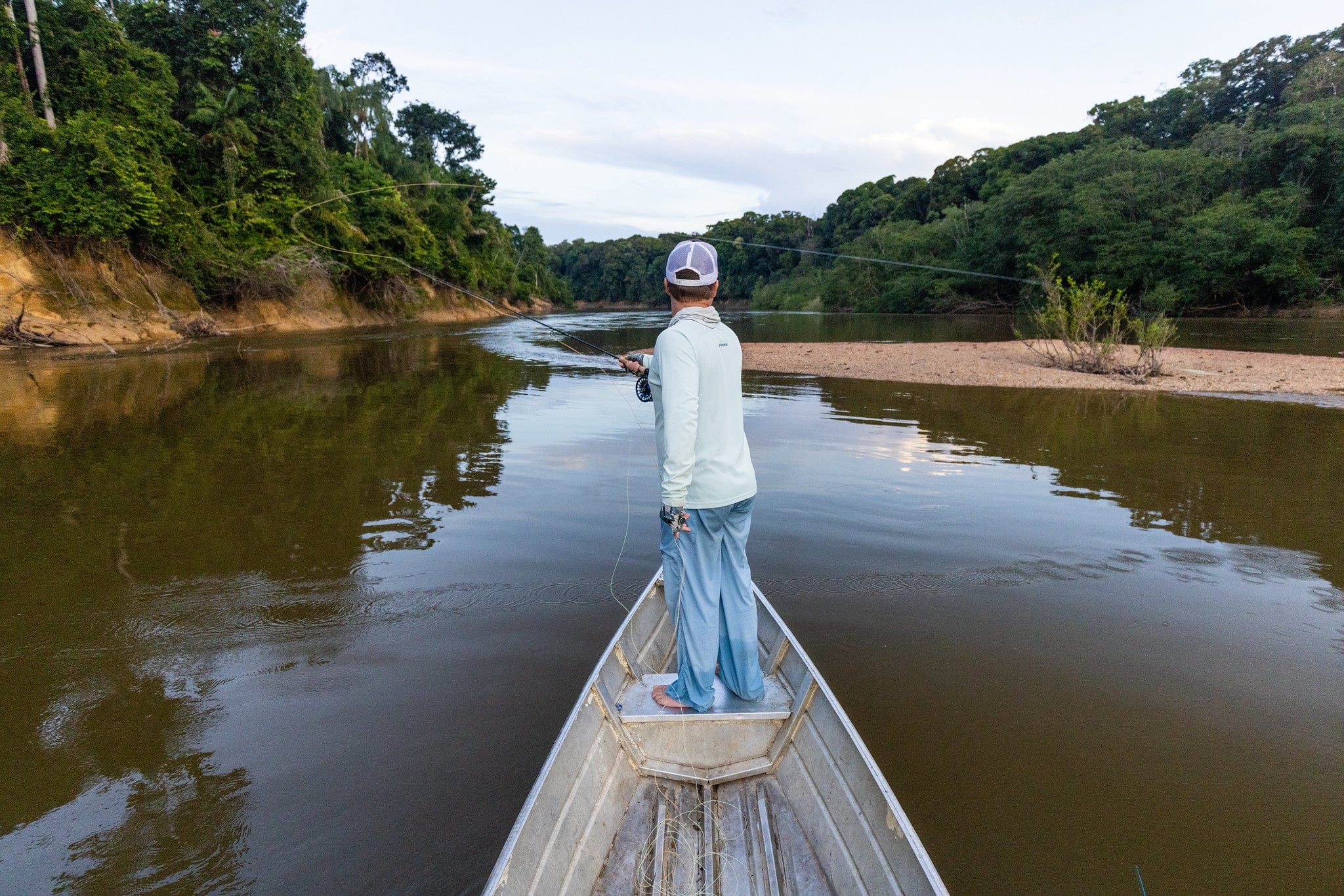
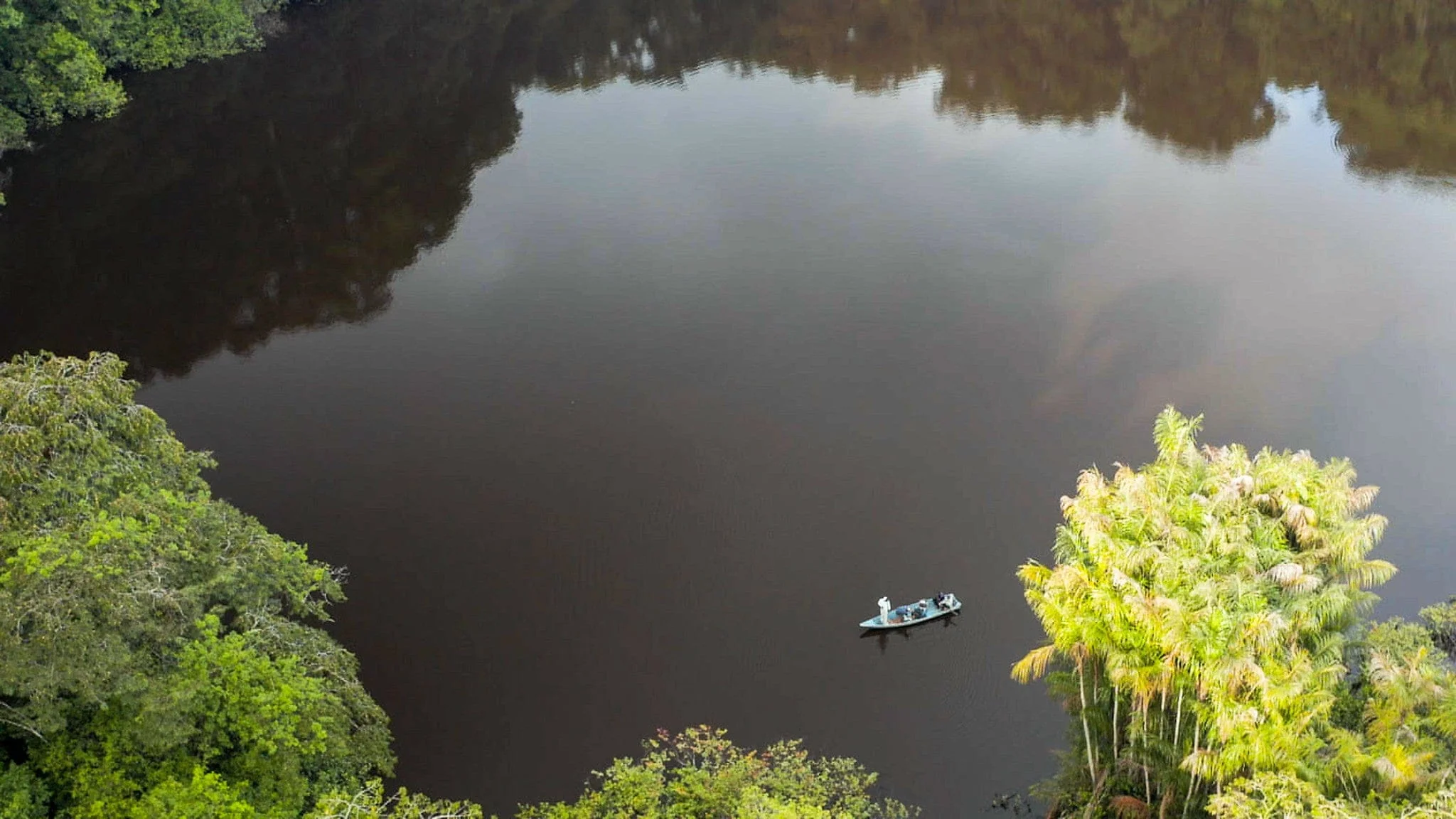
You will be fishing out of aluminum Jon boats with outboard motors. These are perfect for the river and allow your guides and boatmen to easily access the various fishing ponds throughout the week.
Equipment
A range of rod sizes with matched reels will be necessary for a week in Guyana. We recommend bringing 4 rods: 6wt, 8wt, 10wt, and 12wt. Your guides will help you rig appropriately for the day's fishing. We recommend adhering to the packing and equipment lists provided by Trident.
Itinerary

Day 1: From Home to Georgetown
A weeklong trip at Rewa River Camps is typically Saturday to Saturday. Getting to camp begins with a Friday flight to Georgetown, Guyana (GEO). There are direct flights into Georgetown from Miami (MIA) and New York (JFK). Once you've arrived in Georgetown, you will stay one night in a hotel there, allowing you to relax and rest up before traveling to the Lodge the next day.
Day 2: From Georgetown to Rewa
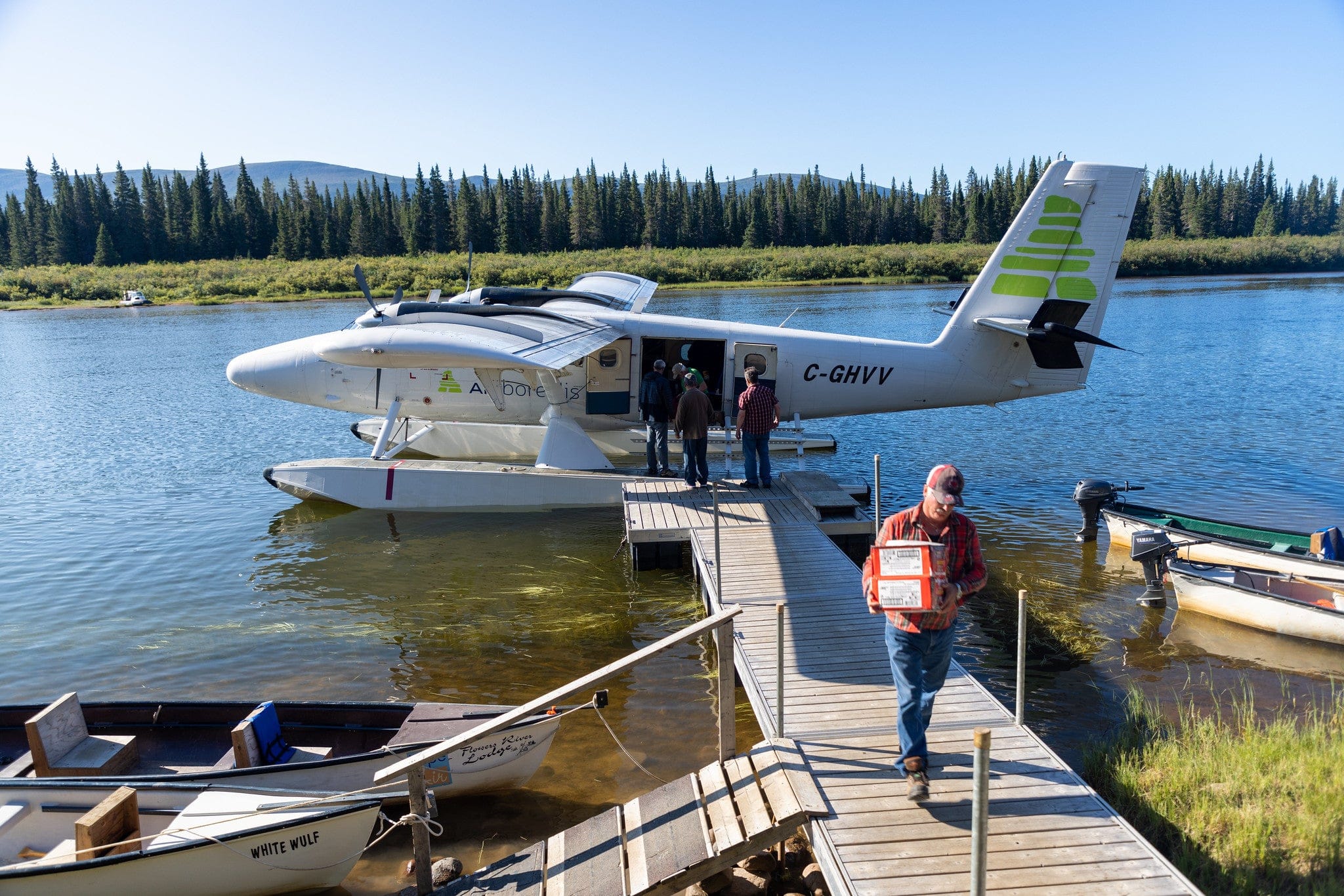
The Journey from Georgetown to Rewa begins the next day with a 1.5-hour flight to Letham. From there, you'll be en route via vehicle for 2-3 hours, then finish the journey with a 4-6 hour boat ride to camp.
Days 3 - 8: The Fishing Days
Fishing days start with a hearty breakfast before heading out with your guide for the day. Lunches are served on the water and allow you to relax, eat, and hydrate. Following an afternoon fishing session, you'll return to camp by dark to unwind before enjoying a flavorful dinner comprised of regional cuisine.
Day 9: From Rewa to Georgetown
After your week of fishing, you'll enjoy breakfast on Saturday morning before beginning your transfers back to Letham. From Letham, you'll board your 1.5-hour flight back to Georgetown. Once you've arrived in Georgetown, you'll spend one night in a local hotel. Get some rest and enjoy a hot shower after a week in the Jungle.
Day 10: From Georgetown to Home
On Sunday you'll board your Flight from Georgetown, Guyana (GEO) to your home destination.
Lodging

Accommodations
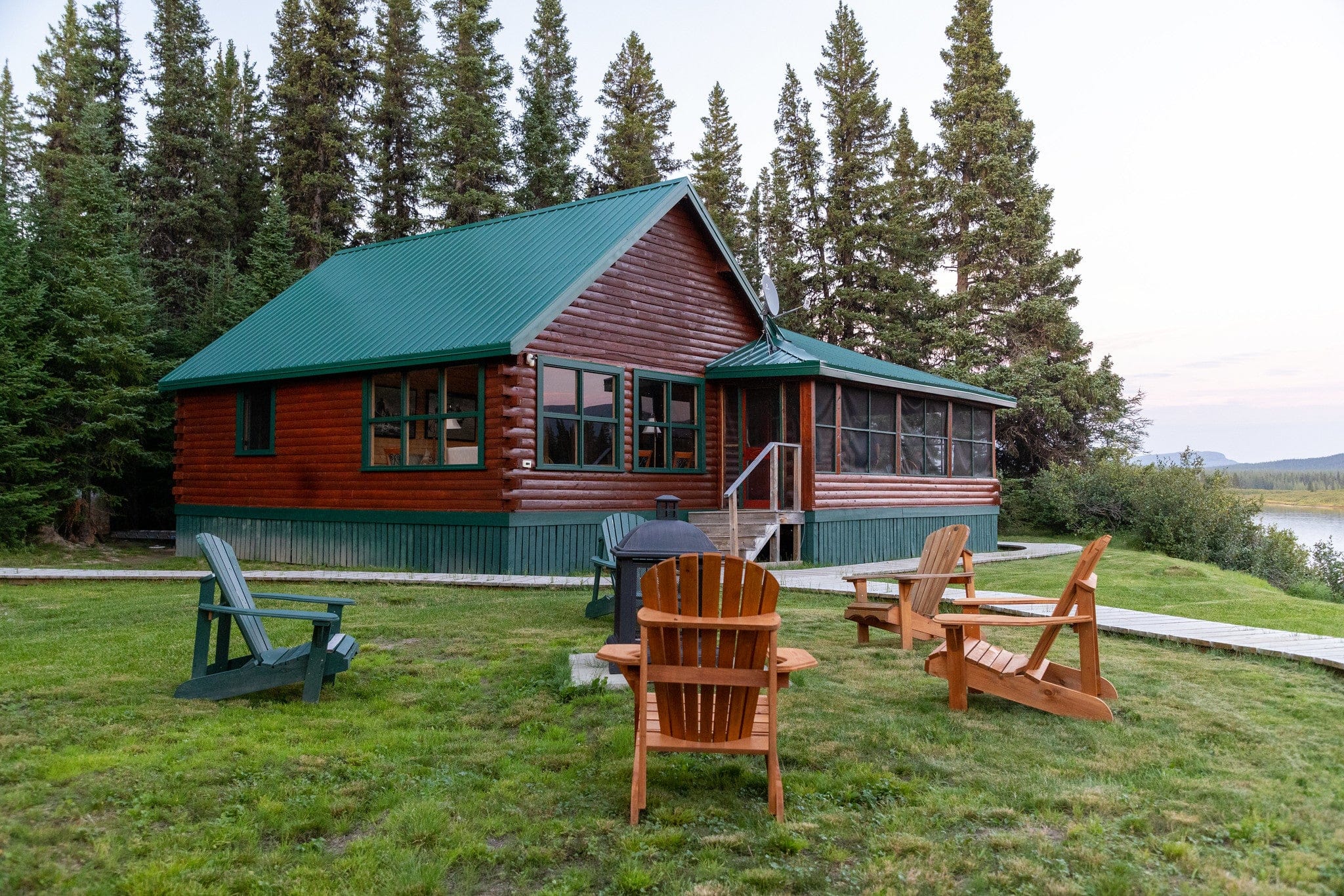
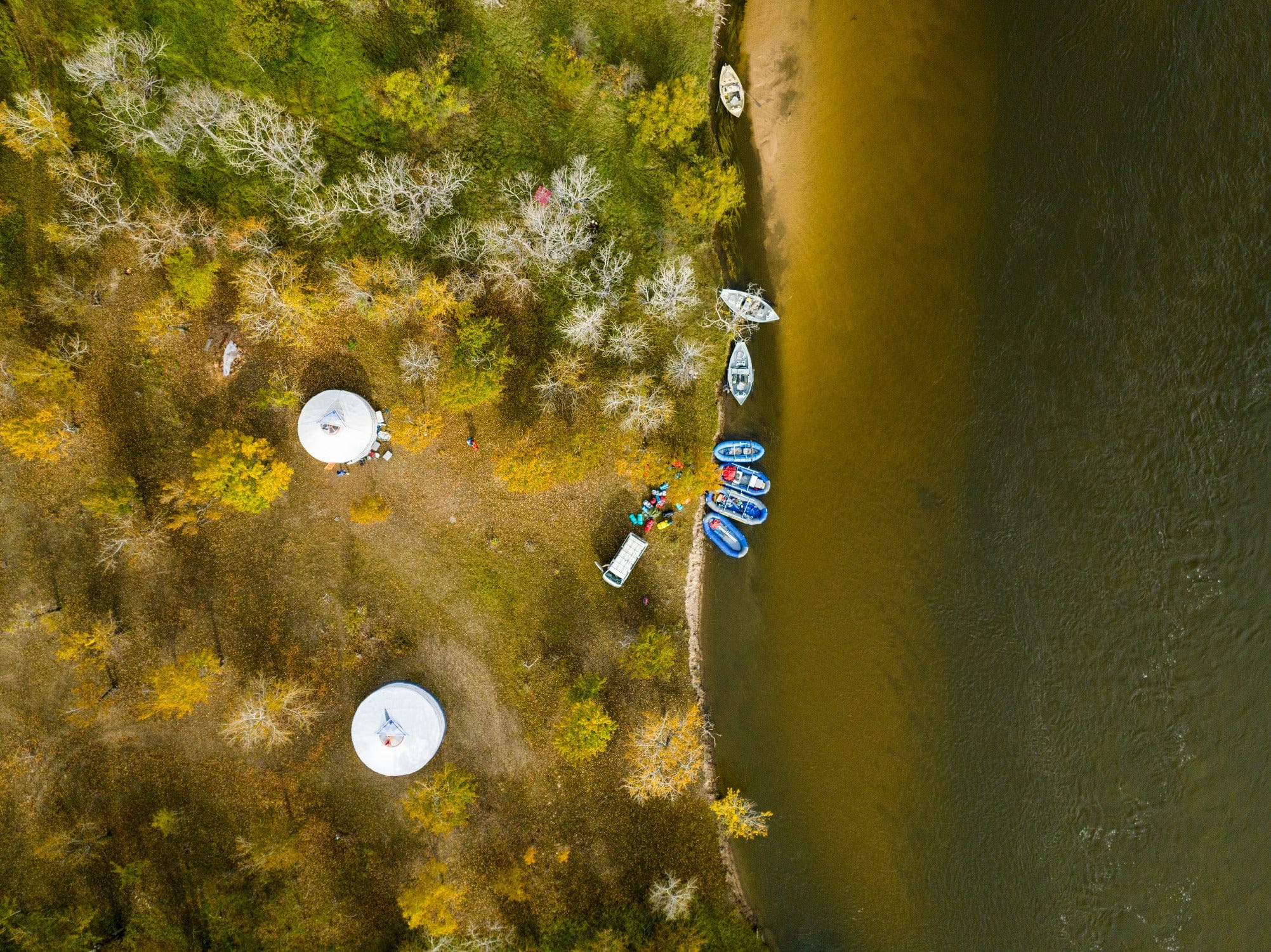
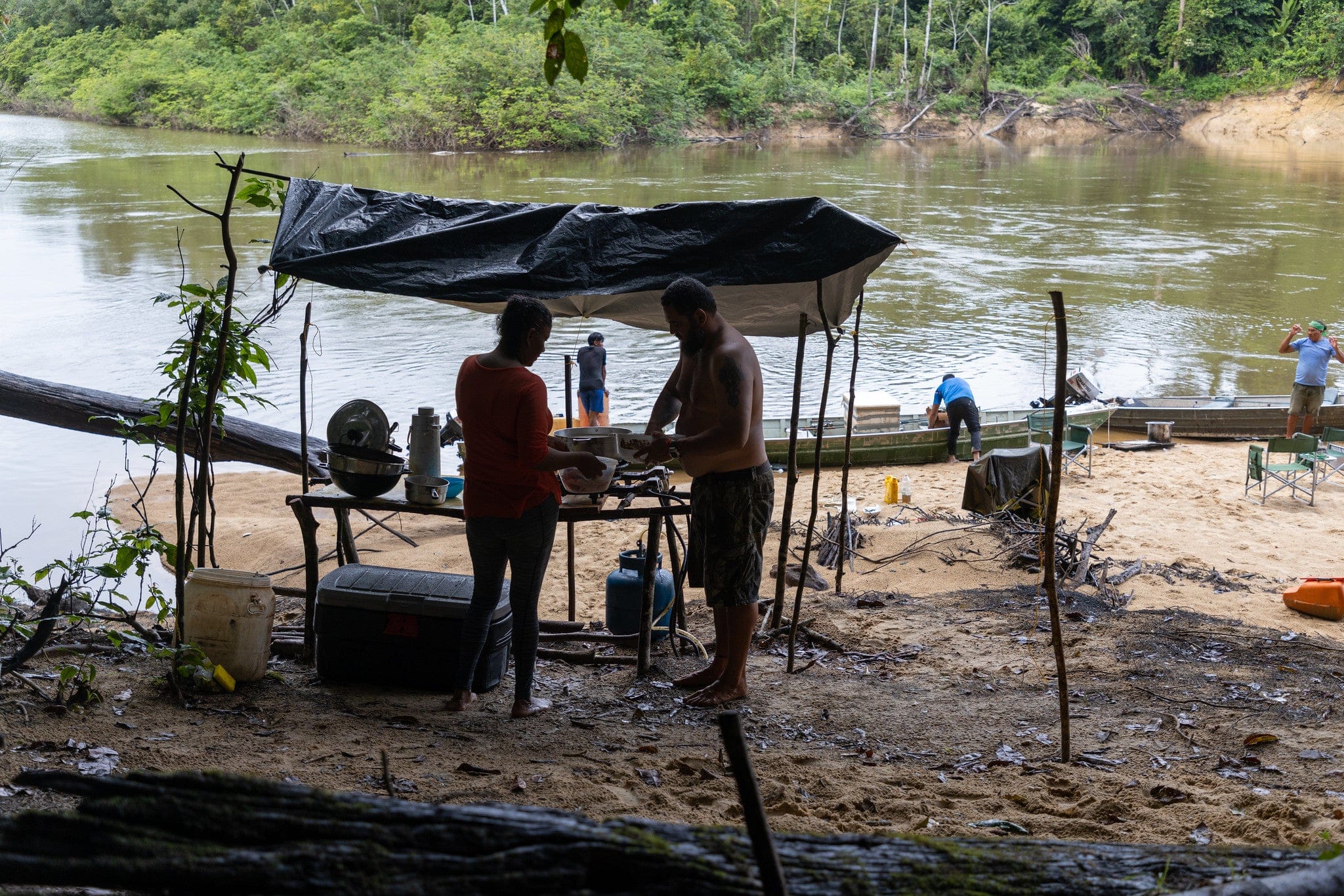
Upstream of the confluence of the Rupununi and Rewa Rivers lies the Rewa River Camps, which offer anglers close access to the best fishing grounds in the region. These camps feature hammocks with mosquito netting, showers, a pit toilet, and a comfortable covered dining area with generator-supplied electricity for lights and food refrigeration.
The river camps are completely staffed and operated by the villagers of Rewa, the local Amerindians who take great pride in providing guests with a comfortable and safe lodging experience.
Food
The food at Rewa is hearty and delicious! Breakfasts usually include baked goods with savory stews and curries. Lunches are served on the water or near the fishing grounds and can feature freshly caught fish and prepared regional cuisine. Dinners feature mouthwatering local stews and freshly harvested meats. Alcohol is not included at Rewa River Camps, so beer and other heavy beverages should be purchased in Lethem, while liquor is best-purchased duty-free when you arrive. Try the Guyanese Rum!
Connectivity
Once you depart Letham, you can expect no cell service for the week. There is a landline in Rewa village, and the lodge uses a radio for communication with other communities for emergencies. WiFi is not available at the river camps.
Rates
Trident Travel's expert planning service is free of charge. Our rates are the same as you would pay by booking directly with the outfitter or lodge.
Contact us for package options and the most current pricing.
What's Included:
- All Accommodations and food at camp
- Fishing License
-
Charter flight and ground transfer
What's Not Included:
- International Airfare
- Alcohol
- All fishing equipment
- Gratuities
- Hotel and Taxi in Georgetown
FAQ

What skill level is required for this trip?
We recommend this trip for intermediate to advanced anglers who don't mind leaving behind the creature comforts of traditional fishing lodges. This is a remote camp experience where you won't find amenities such as laundry, A/C, or WiFi. This is not a destination to bring your non-fishing companions along. This trip is designed for anglers who enjoy technical fishing with the chance of catching the fish of a lifetime.
Is traveling to Guyana safe?
As with any international travel, use common sense and keep your wits about you. Once you are at Rewa River Camps, crime is of little concern since the operation is very remote.
Are bugs and mosquitoes a problem?
The number of bugs varies with the season, but they are typically not problematic. Mosquitoes and Sandflies are the most common bugs and they are manageable. We recommend that you bring insect repellent with you; the most effective repellents contain at least 30% DEET. We also suggest wearing long-sleeved fishing shirts and pants such as Simms BugStopper Solarflex. Make sure your headlamp features a red-light setting to avoid attracting insects at night.
What sort of immunizations do I need?
We recommend consulting your healthcare professional before international travel. Considerations will probably include Malaria, Tetanus, Yellow Fever, Typhoid, and Hepatitis A.
Is there a safe source of drinking water?
Rewa River Camps provides bottled or purified drinking water. You can help reduce plastic waste by bringing a reusable water bottle, which you can refill in at camp. We like the YETI Rambler 46oz.
What sort of bathroom facilities do you have?
Rewa has pit toilets and simple water tanks for basic hygiene use. The water is not heated, but is generally fairly warm, having been heated by the sun in the storage tanks. For drinking water, use the refill station at camp.
Is electricity available?
Rewa has generator-supplied power, used primarily for camp lighting. Since power is limited, guests are asked to use electricity conservatively, but you can usually charge your camera batteries or your phone when needed.
What is the weather like?
As Rewa is close to the equator, there is little temperature variation throughout the year although it can be hotter between September and December. Nightly lows rarely drop below 70°F, and highs can reach 95°F. The Rupununi has two dry periods each year, from Feb-March, and Oct-Nov. During the dry seasons, it can still rain every day, but storms are usually short-lived. Even in the dry seasons, it is quite humid.
What happens if I’m injured during the trip, and should I purchase travel insurance?
Medical emergencies and evacuations can happen in remote destinations, which is why we strongly recommend enrolling with Global Rescue before your trip. Global Rescue provides industry-leading medical and security evacuation services, and they also offer comprehensive travel insurance plans serviced through IMG. This all-in-one solution allows anglers to secure both emergency evacuation coverage and travel insurance through a single provider, helping ensure you’re protected if something unexpected occurs before or during your trip.

Product Information
Product Information
Shipping & Returns
Shipping & Returns
Description
For the intrepid angler, a week spent fly fishing for giant Arapaima at the Rewa River Camps is an adventure of a lifetime. This rustic jungle camp is located in the heart of the Guyanese rainforest on the Rewa River. Arapaima are the primary target species, found in the vast network of ponds surrounding the camps. Being the largest scaled freshwater fish in the world, Arapaima exceeding 100 pounds are caught frequently here. In fact, guests will often hook fish well over 200 pounds, testing the limits of fishing tackle and angler endurance. Peacock Bass, Payara, and other jungle species are also targeted in the rivers and ponds surrounding the camp, making each day a thrilling experience with many possibilities.
Who It's For
- Adventurous anglers
When To Go
Rewa River Camps is located in the heart of the rainforest, so the fishing seasons are scheduled during the dry seasons. February through March is considered the spring fishing season, offering lower water and the best shot at multiple species. October through November is the fall fishing season and typically yields well-rested fish after the rainy season
Arapaima
Known as the Jungle Tarpon, the Arapaima is one of the largest and most impressive freshwater gamefish on the planet. Due to their keen intelligence and ability to hide, Arapaima require patience and skill to be successful. This angling adventure is more akin to big-game hunting than to other fishing expeditions. However, the rush of hooking and battling a prehistoric leviathan is unrivaled, with six-foot-long specimens often leaping and head-thrashing mere yards from your rod tip. While this isn't a trip for everyone, anglers seeking raw adventure and the challenge of catching giant fish will be at home at Rewa River Camps.
Other Species
While hunting for Arapaima, it is possible to encounter Payara, Peacock Bass, Baicuda, Haimara, and Surubi. These jungle fish are excellent fly rod targets, known for their eagerness to take flies and their unique beauty.
Boats
You will be fishing out of aluminum Jon boats with outboard motors. These are perfect for the river and allow your guides and boatmen to easily access the various fishing ponds throughout the week.
Equipment
A range of rod sizes with matched reels will be necessary for a week in Guyana. We recommend bringing 4 rods: 6wt, 8wt, 10wt, and 12wt. Your guides will help you rig appropriately for the day's fishing. We recommend adhering to the packing and equipment lists provided by Trident.
Itinerary
Day 1: From Home to Georgetown
A weeklong trip at Rewa River Camps is typically Saturday to Saturday. Getting to camp begins with a Friday flight to Georgetown, Guyana (GEO). There are direct flights into Georgetown from Miami (MIA) and New York (JFK). Once you've arrived in Georgetown, you will stay one night in a hotel there, allowing you to relax and rest up before traveling to the Lodge the next day.
Day 2: From Georgetown to Rewa
The Journey from Georgetown to Rewa begins the next day with a 1.5-hour flight to Letham. From there, you'll be en route via vehicle for 2-3 hours, then finish the journey with a 4-6 hour boat ride to camp.
Days 3 - 8: The Fishing Days
Fishing days start with a hearty breakfast before heading out with your guide for the day. Lunches are served on the water and allow you to relax, eat, and hydrate. Following an afternoon fishing session, you'll return to camp by dark to unwind before enjoying a flavorful dinner comprised of regional cuisine.
Day 9: From Rewa to Georgetown
After your week of fishing, you'll enjoy breakfast on Saturday morning before beginning your transfers back to Letham. From Letham, you'll board your 1.5-hour flight back to Georgetown. Once you've arrived in Georgetown, you'll spend one night in a local hotel. Get some rest and enjoy a hot shower after a week in the Jungle.
Day 10: From Georgetown to Home
On Sunday you'll board your Flight from Georgetown, Guyana (GEO) to your home destination.
Lodging
Accommodations
Upstream of the confluence of the Rupununi and Rewa Rivers lies the Rewa River Camps, which offer anglers close access to the best fishing grounds in the region. These camps feature hammocks with mosquito netting, showers, a pit toilet, and a comfortable covered dining area with generator-supplied electricity for lights and food refrigeration.
The river camps are completely staffed and operated by the villagers of Rewa, the local Amerindians who take great pride in providing guests with a comfortable and safe lodging experience.
Food
The food at Rewa is hearty and delicious! Breakfasts usually include baked goods with savory stews and curries. Lunches are served on the water or near the fishing grounds and can feature freshly caught fish and prepared regional cuisine. Dinners feature mouthwatering local stews and freshly harvested meats. Alcohol is not included at Rewa River Camps, so beer and other heavy beverages should be purchased in Lethem, while liquor is best-purchased duty-free when you arrive. Try the Guyanese Rum!
Connectivity
Once you depart Letham, you can expect no cell service for the week. There is a landline in Rewa village, and the lodge uses a radio for communication with other communities for emergencies. WiFi is not available at the river camps.
Rates
Trident Travel's expert planning service is free of charge. Our rates are the same as you would pay by booking directly with the outfitter or lodge.
Contact us for package options and the most current pricing.
What's Included:
- All Accommodations and food at camp
- Fishing License
-
Charter flight and ground transfer
What's Not Included:
- International Airfare
- Alcohol
- All fishing equipment
- Gratuities
- Hotel and Taxi in Georgetown
FAQ
What skill level is required for this trip?
We recommend this trip for intermediate to advanced anglers who don't mind leaving behind the creature comforts of traditional fishing lodges. This is a remote camp experience where you won't find amenities such as laundry, A/C, or WiFi. This is not a destination to bring your non-fishing companions along. This trip is designed for anglers who enjoy technical fishing with the chance of catching the fish of a lifetime.
Is traveling to Guyana safe?
As with any international travel, use common sense and keep your wits about you. Once you are at Rewa River Camps, crime is of little concern since the operation is very remote.
Are bugs and mosquitoes a problem?
The number of bugs varies with the season, but they are typically not problematic. Mosquitoes and Sandflies are the most common bugs and they are manageable. We recommend that you bring insect repellent with you; the most effective repellents contain at least 30% DEET. We also suggest wearing long-sleeved fishing shirts and pants such as Simms BugStopper Solarflex. Make sure your headlamp features a red-light setting to avoid attracting insects at night.
What sort of immunizations do I need?
We recommend consulting your healthcare professional before international travel. Considerations will probably include Malaria, Tetanus, Yellow Fever, Typhoid, and Hepatitis A.
Is there a safe source of drinking water?
Rewa River Camps provides bottled or purified drinking water. You can help reduce plastic waste by bringing a reusable water bottle, which you can refill in at camp. We like the YETI Rambler 46oz.
What sort of bathroom facilities do you have?
Rewa has pit toilets and simple water tanks for basic hygiene use. The water is not heated, but is generally fairly warm, having been heated by the sun in the storage tanks. For drinking water, use the refill station at camp.
Is electricity available?
Rewa has generator-supplied power, used primarily for camp lighting. Since power is limited, guests are asked to use electricity conservatively, but you can usually charge your camera batteries or your phone when needed.
What is the weather like?
As Rewa is close to the equator, there is little temperature variation throughout the year although it can be hotter between September and December. Nightly lows rarely drop below 70°F, and highs can reach 95°F. The Rupununi has two dry periods each year, from Feb-March, and Oct-Nov. During the dry seasons, it can still rain every day, but storms are usually short-lived. Even in the dry seasons, it is quite humid.
What happens if I’m injured during the trip, and should I purchase travel insurance?
Medical emergencies and evacuations can happen in remote destinations, which is why we strongly recommend enrolling with Global Rescue before your trip. Global Rescue provides industry-leading medical and security evacuation services, and they also offer comprehensive travel insurance plans serviced through IMG. This all-in-one solution allows anglers to secure both emergency evacuation coverage and travel insurance through a single provider, helping ensure you’re protected if something unexpected occurs before or during your trip.