Extractor Fly
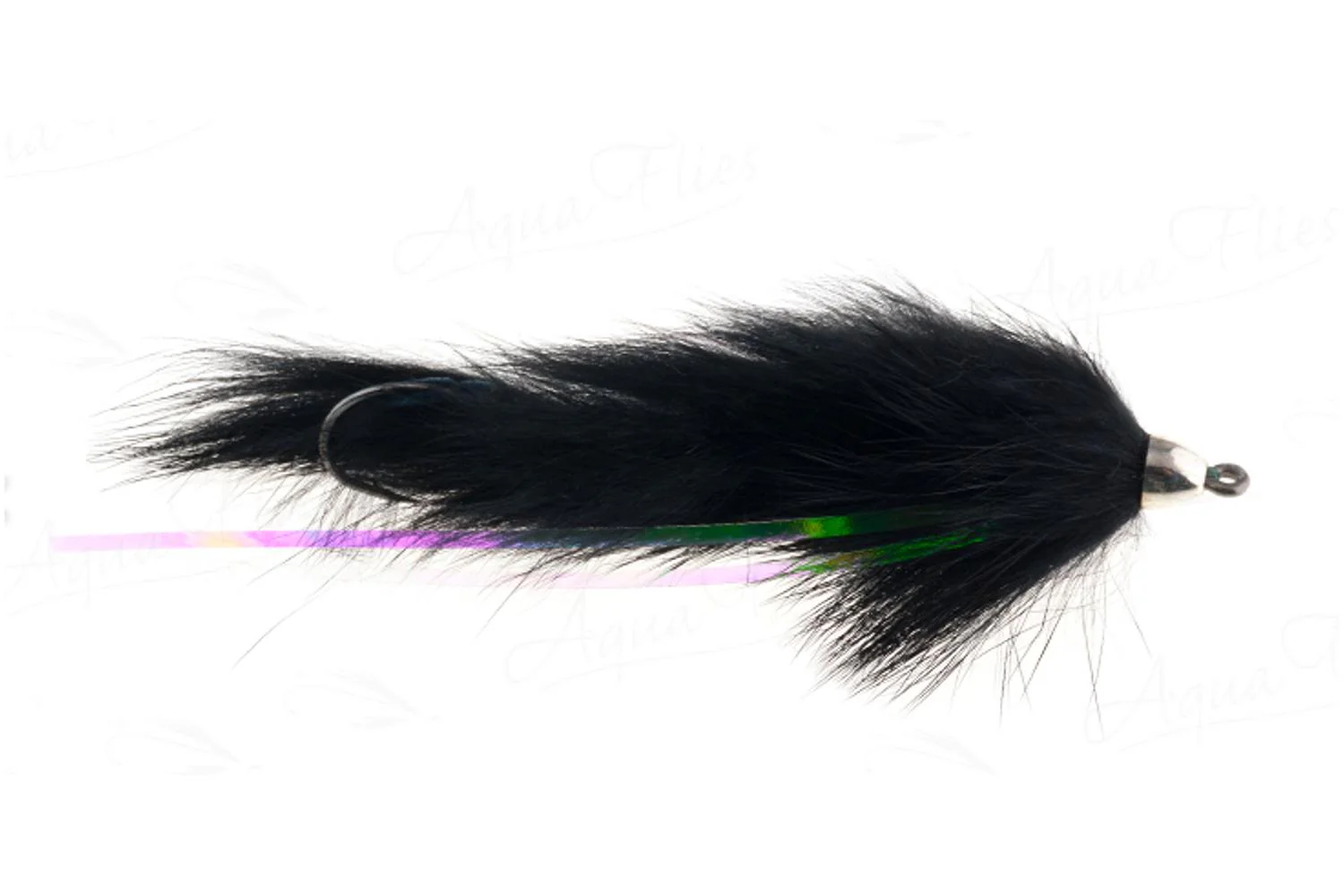
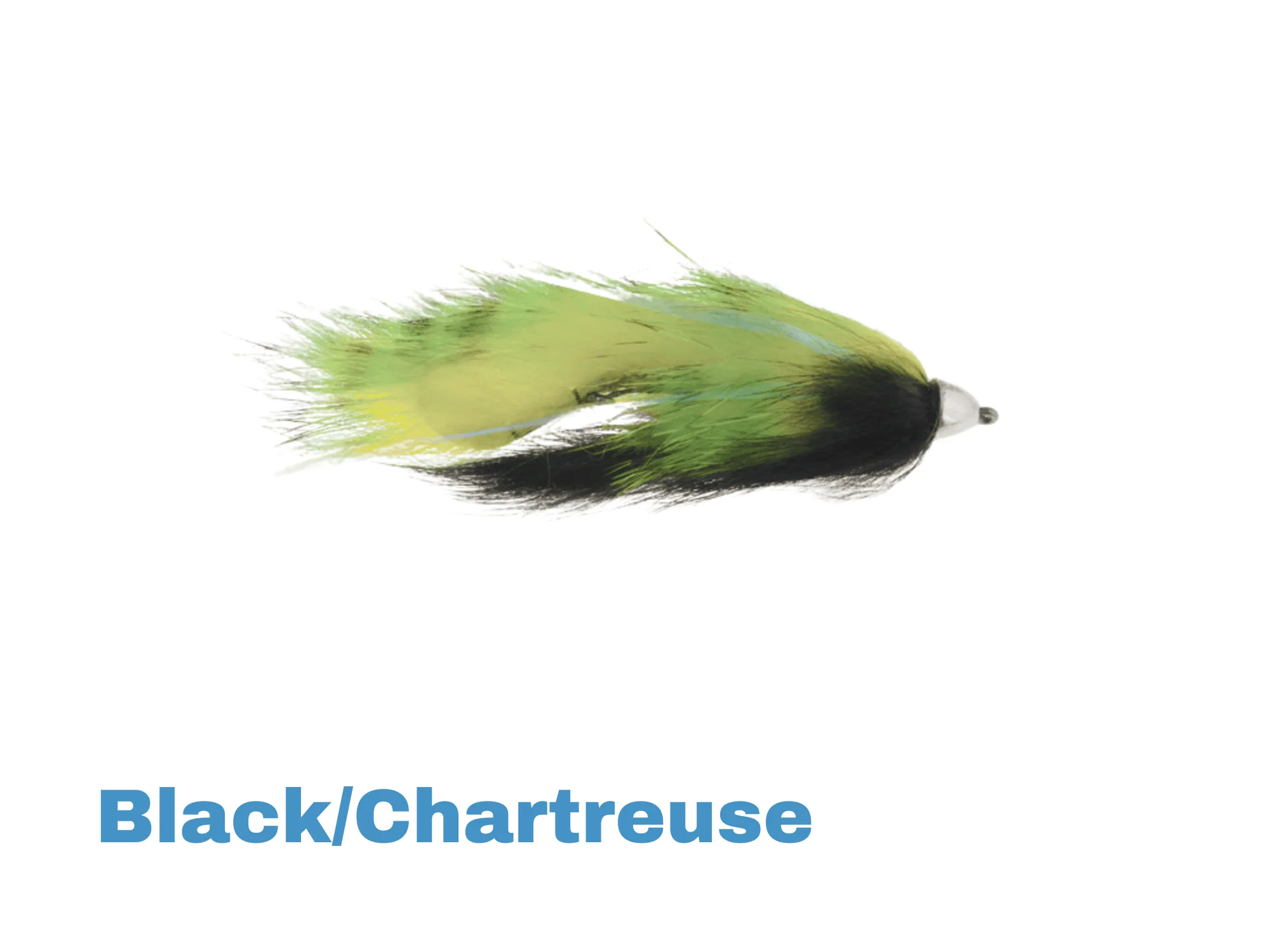
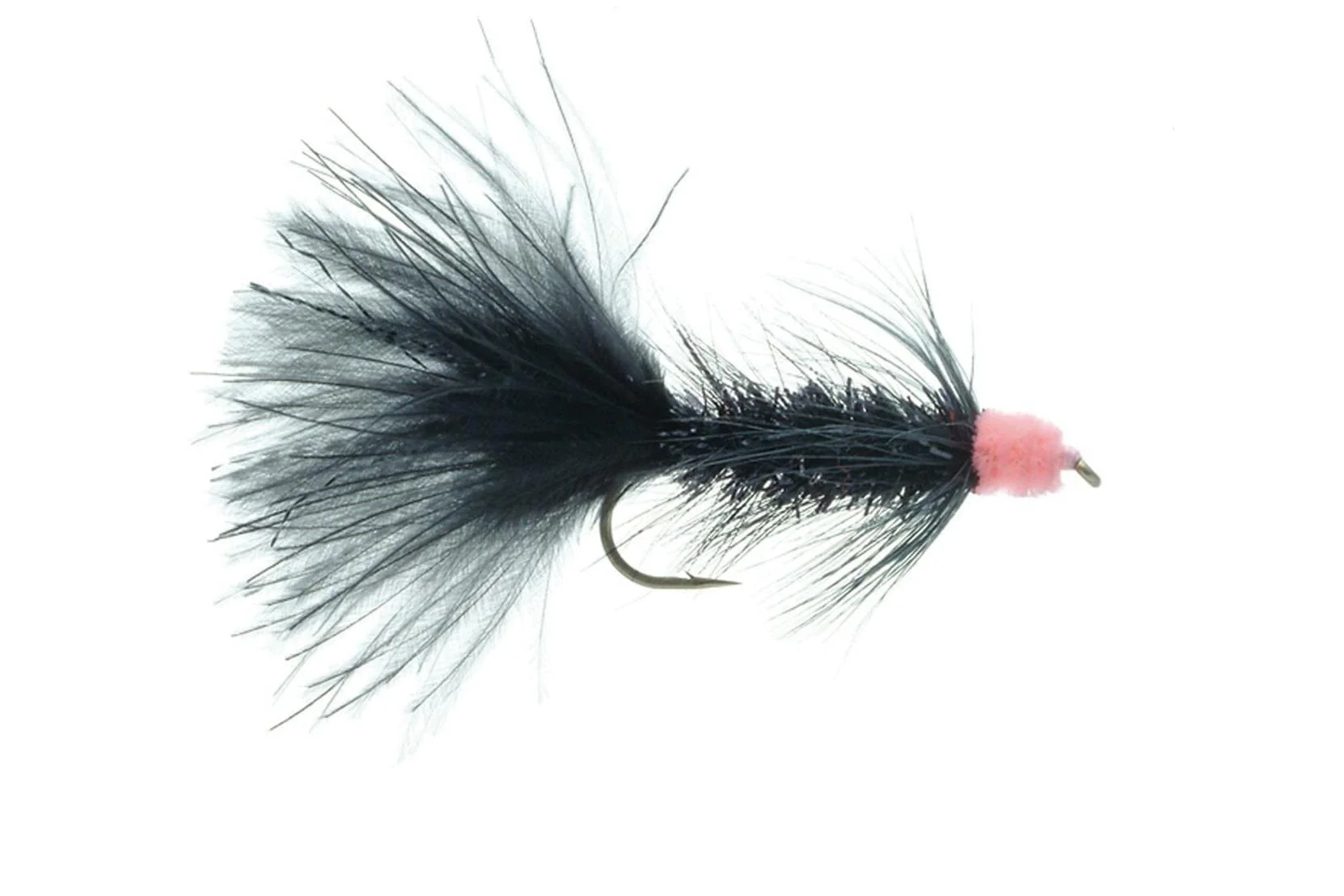
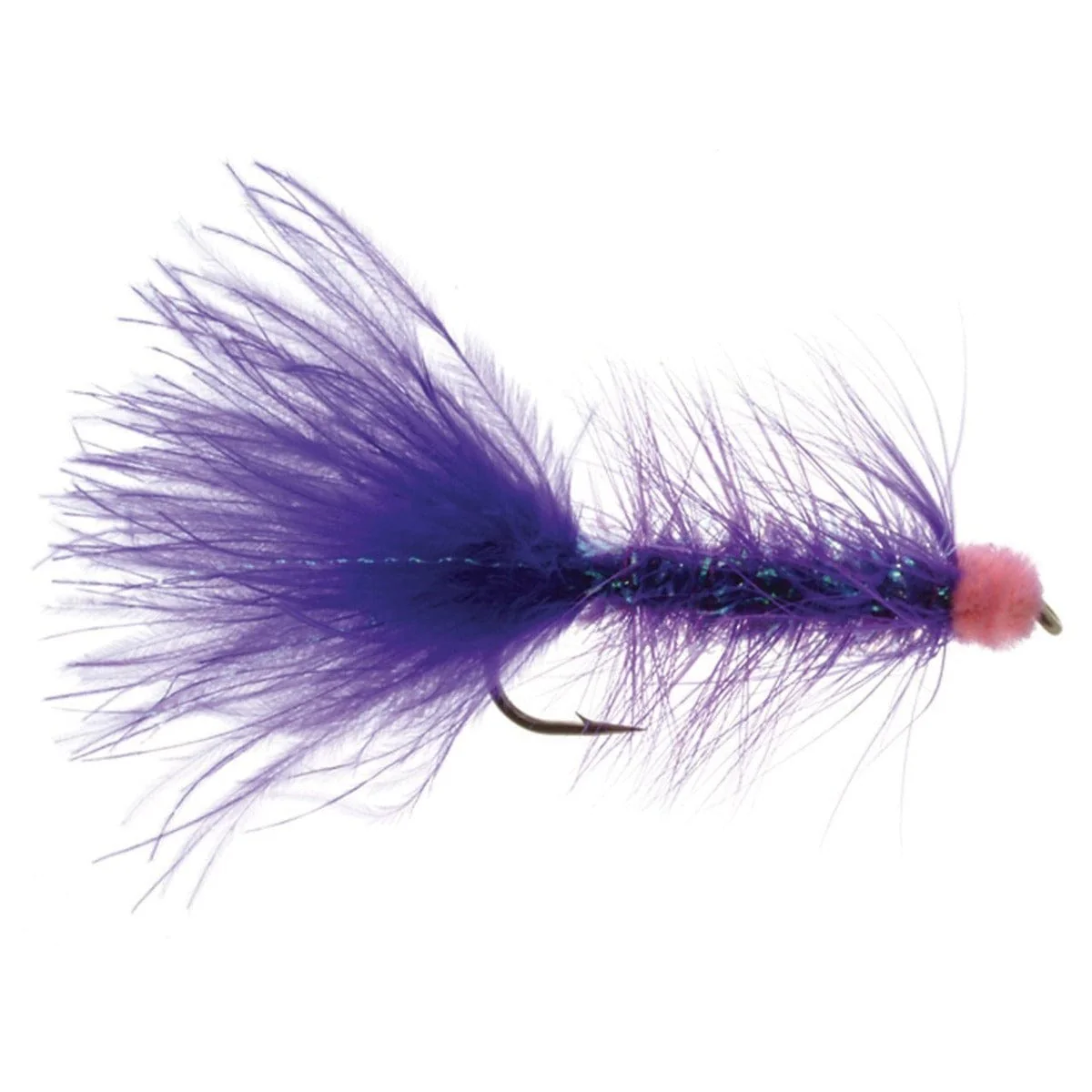
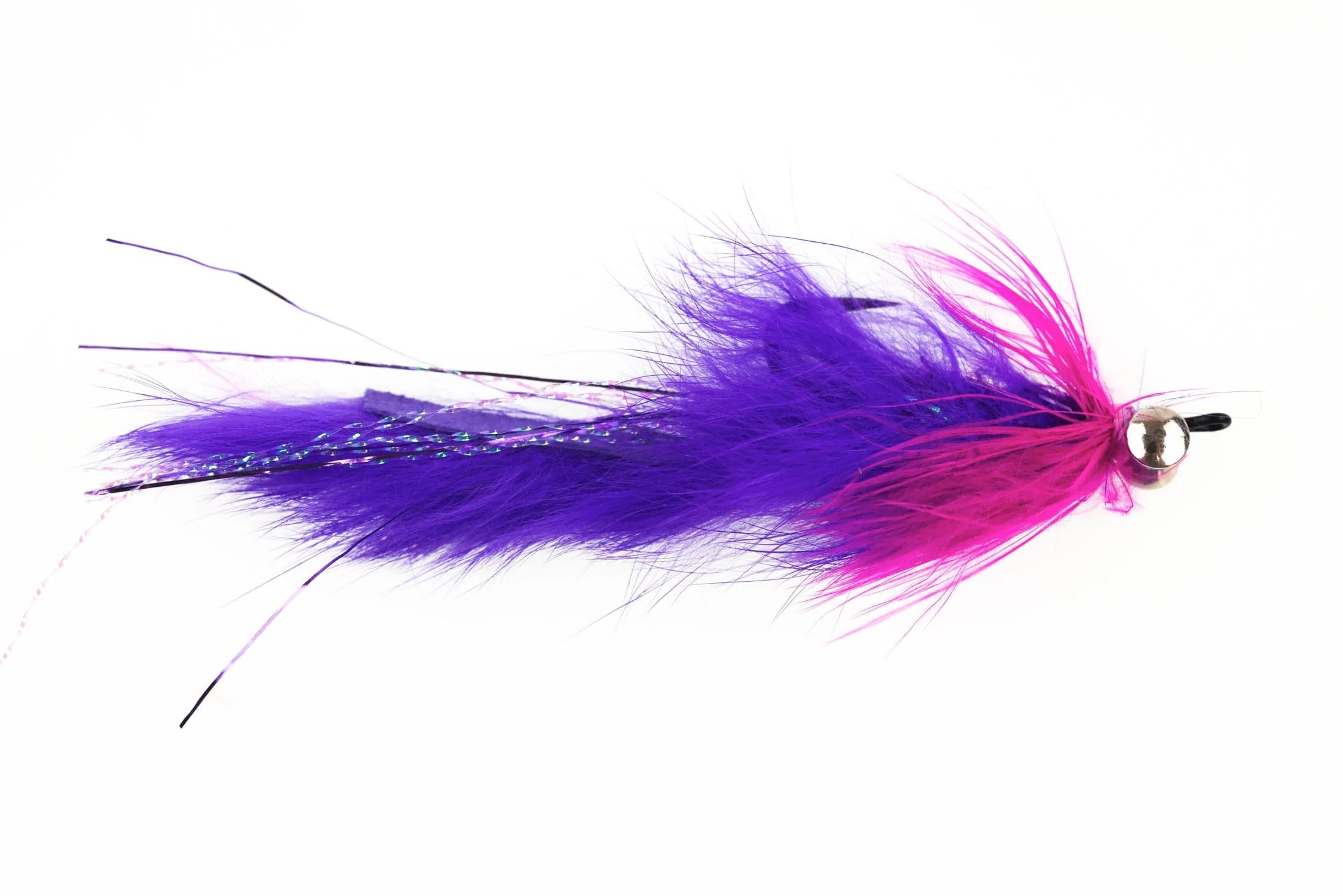
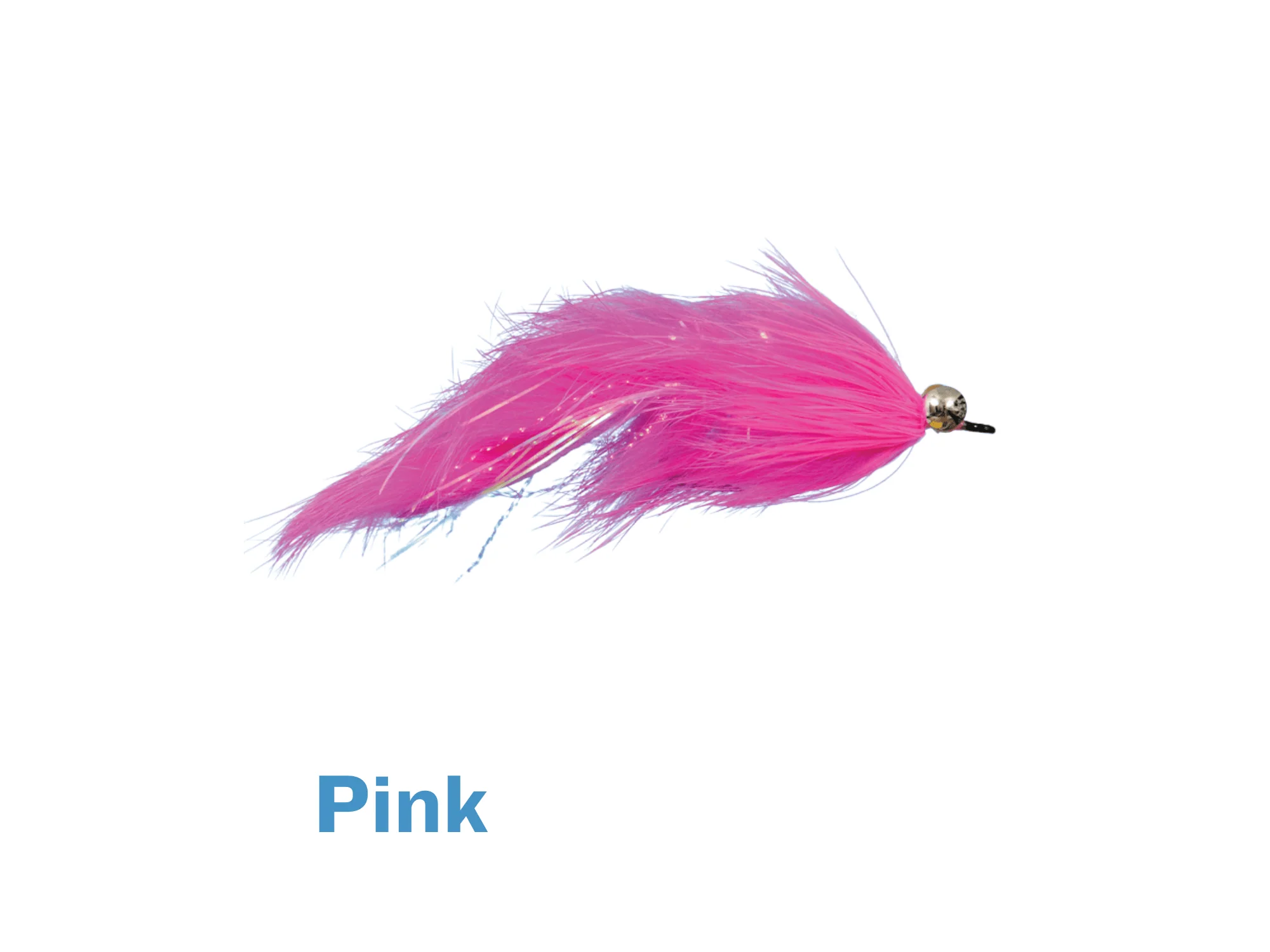
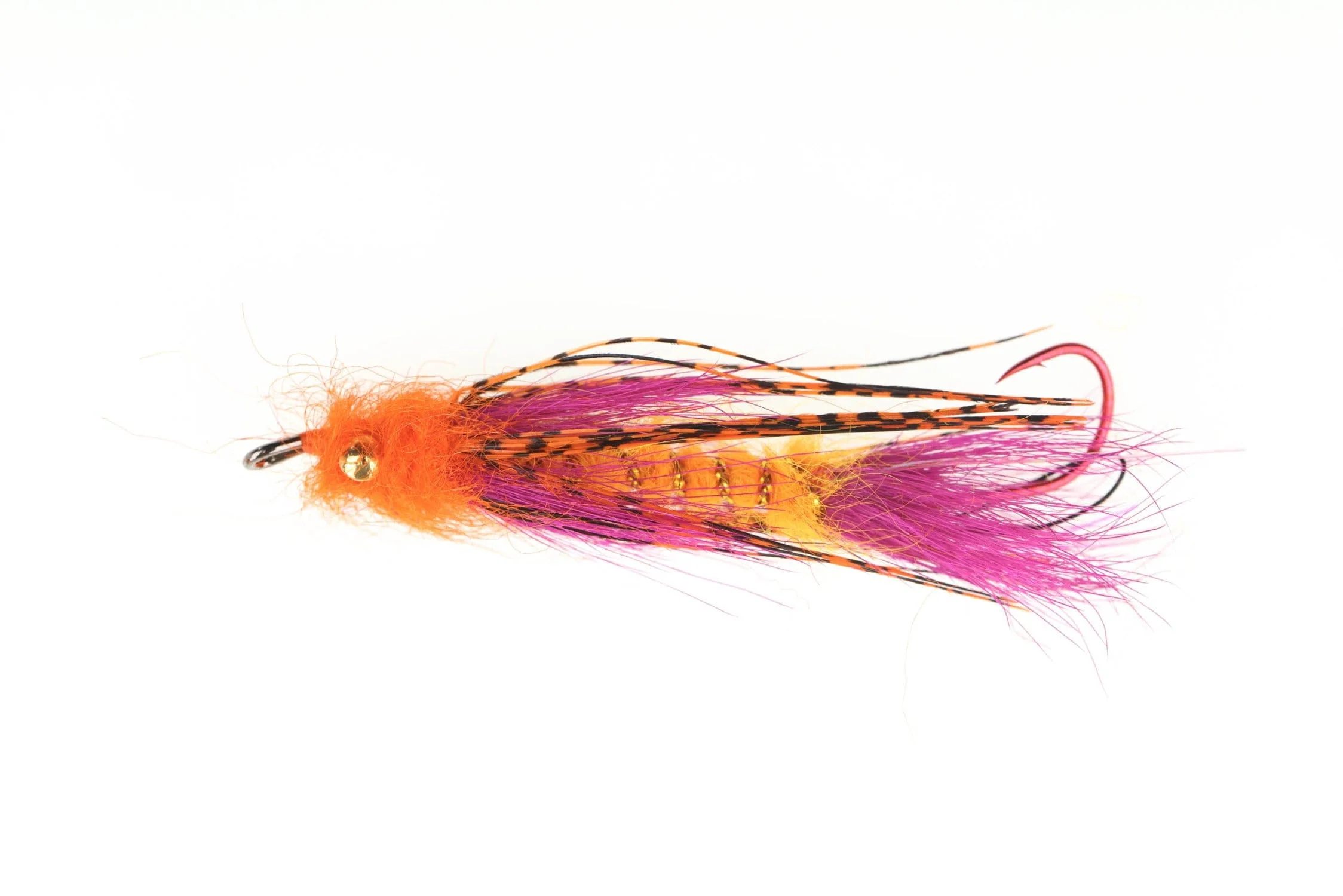
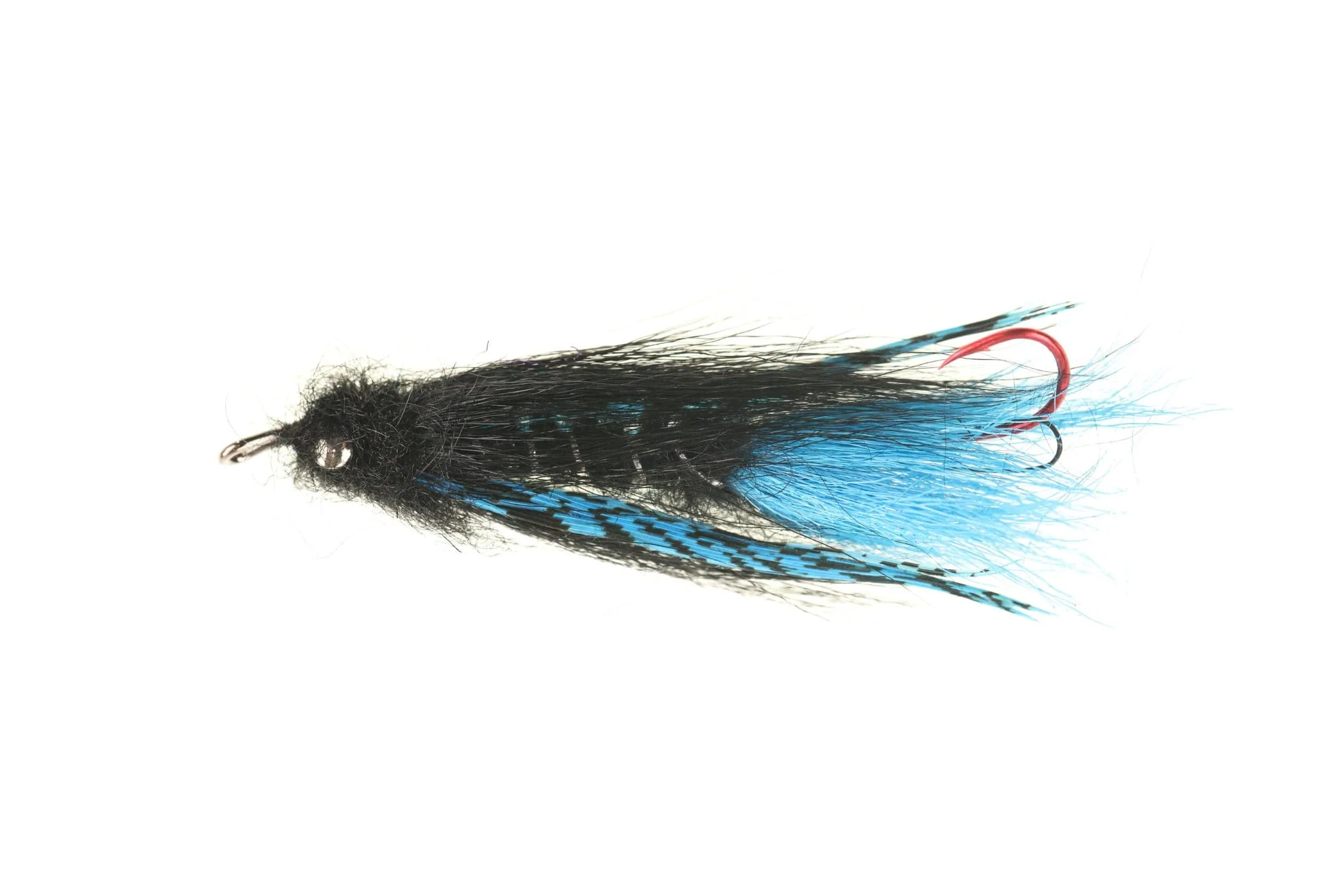
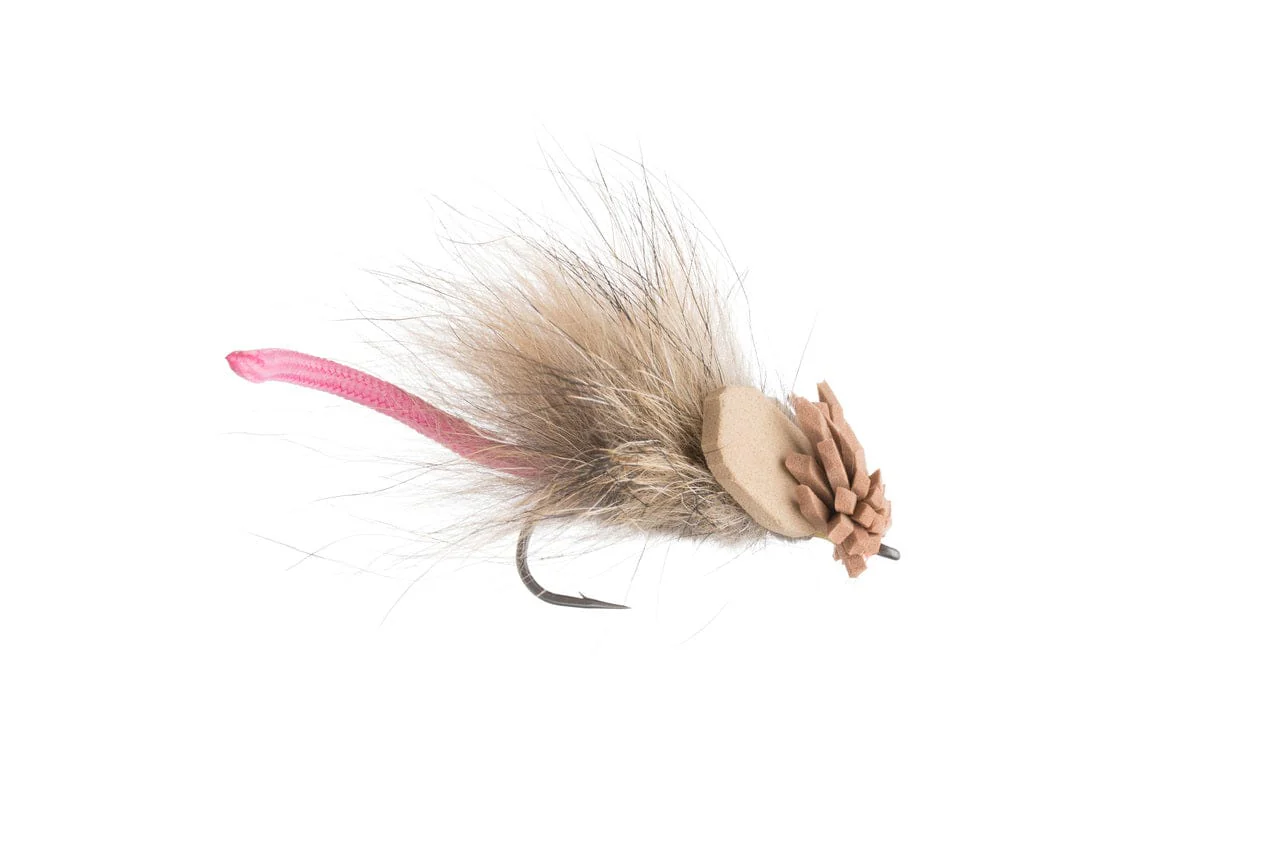
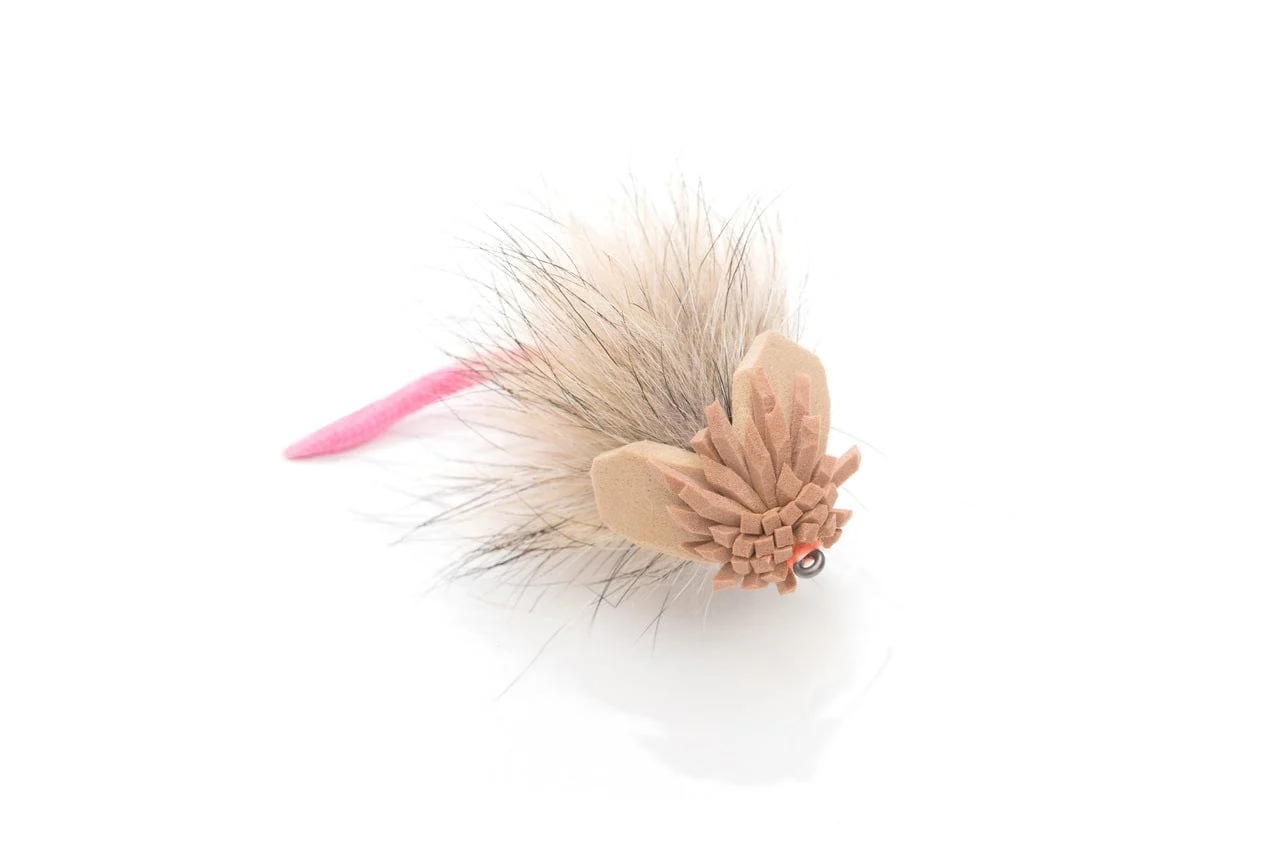
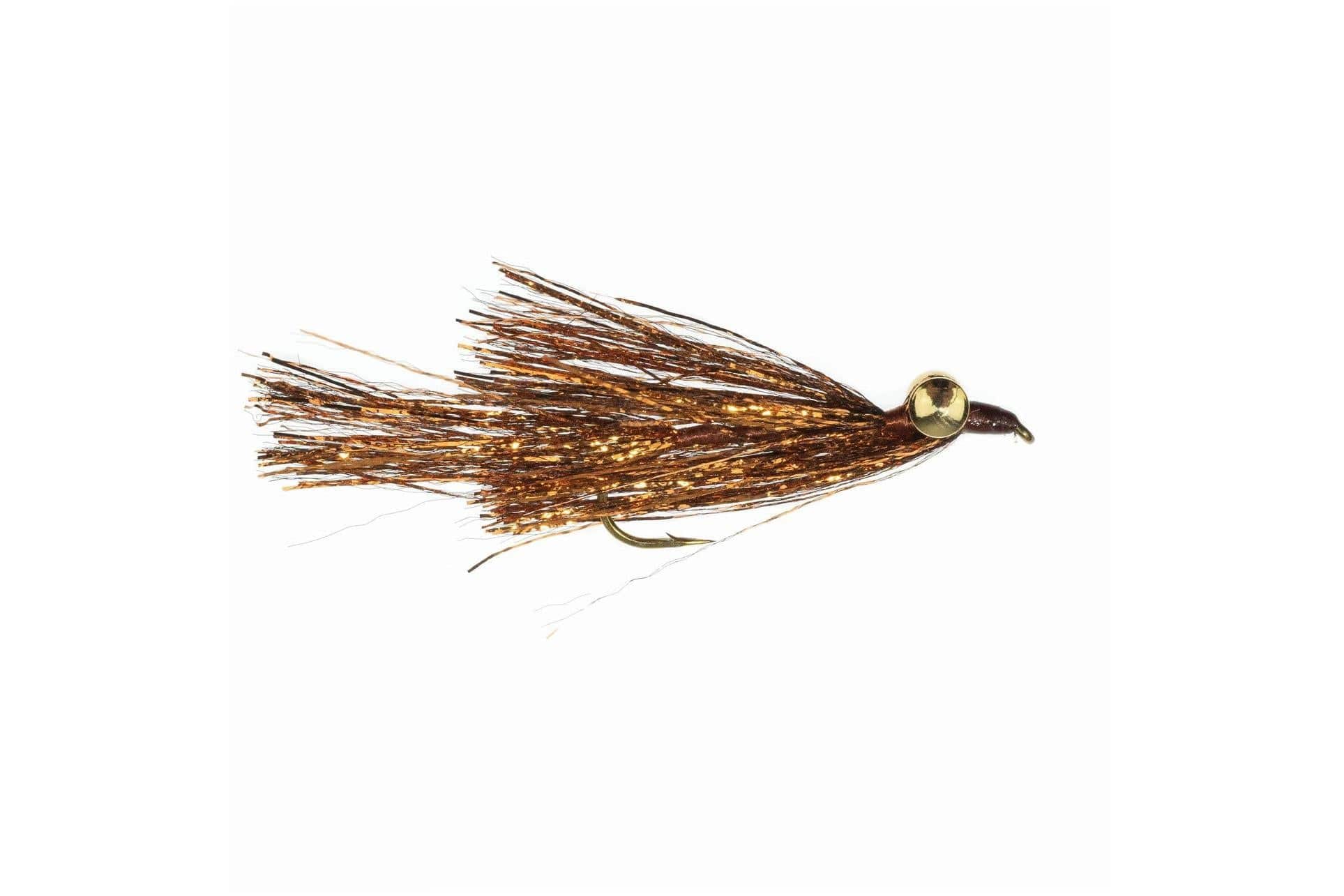
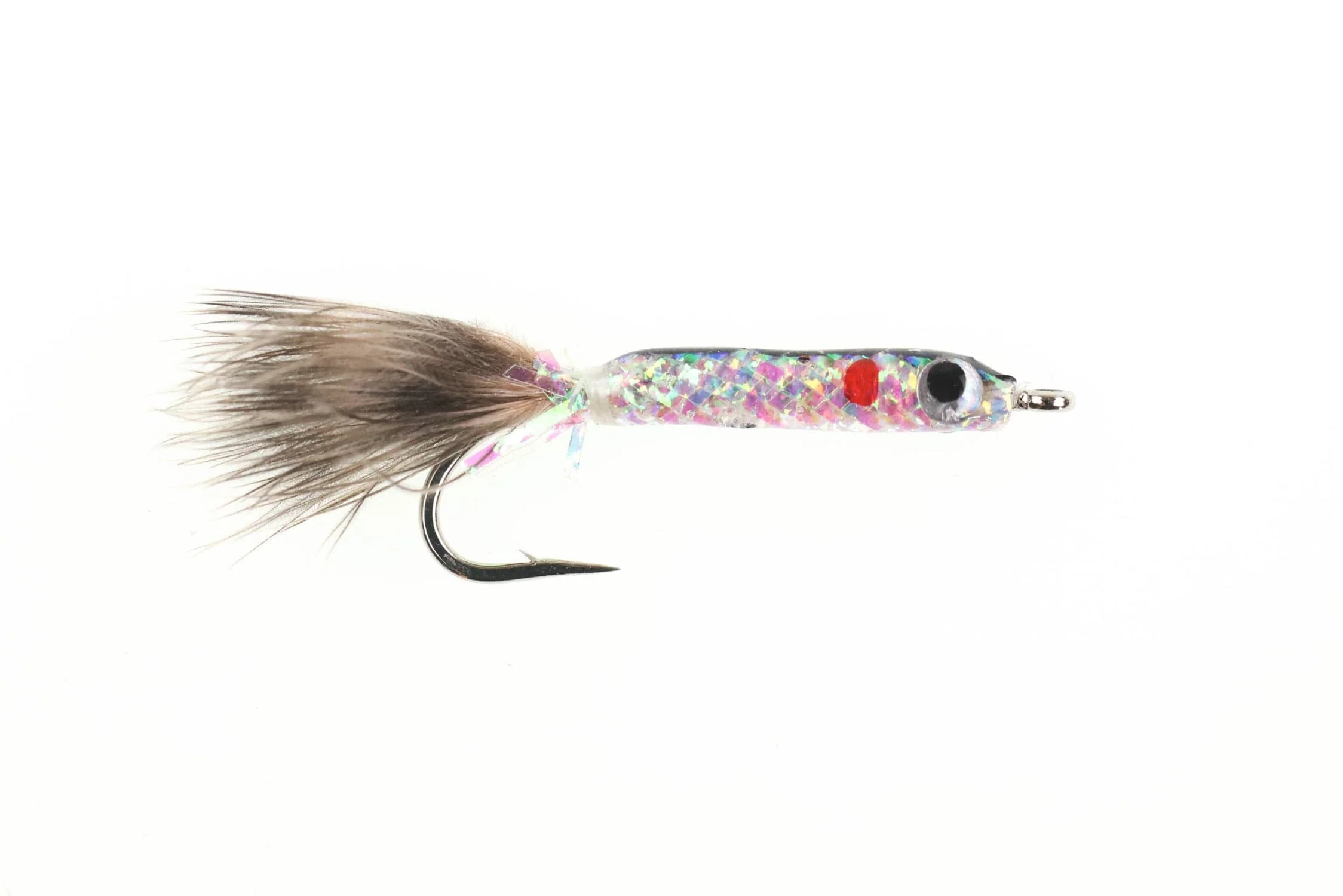
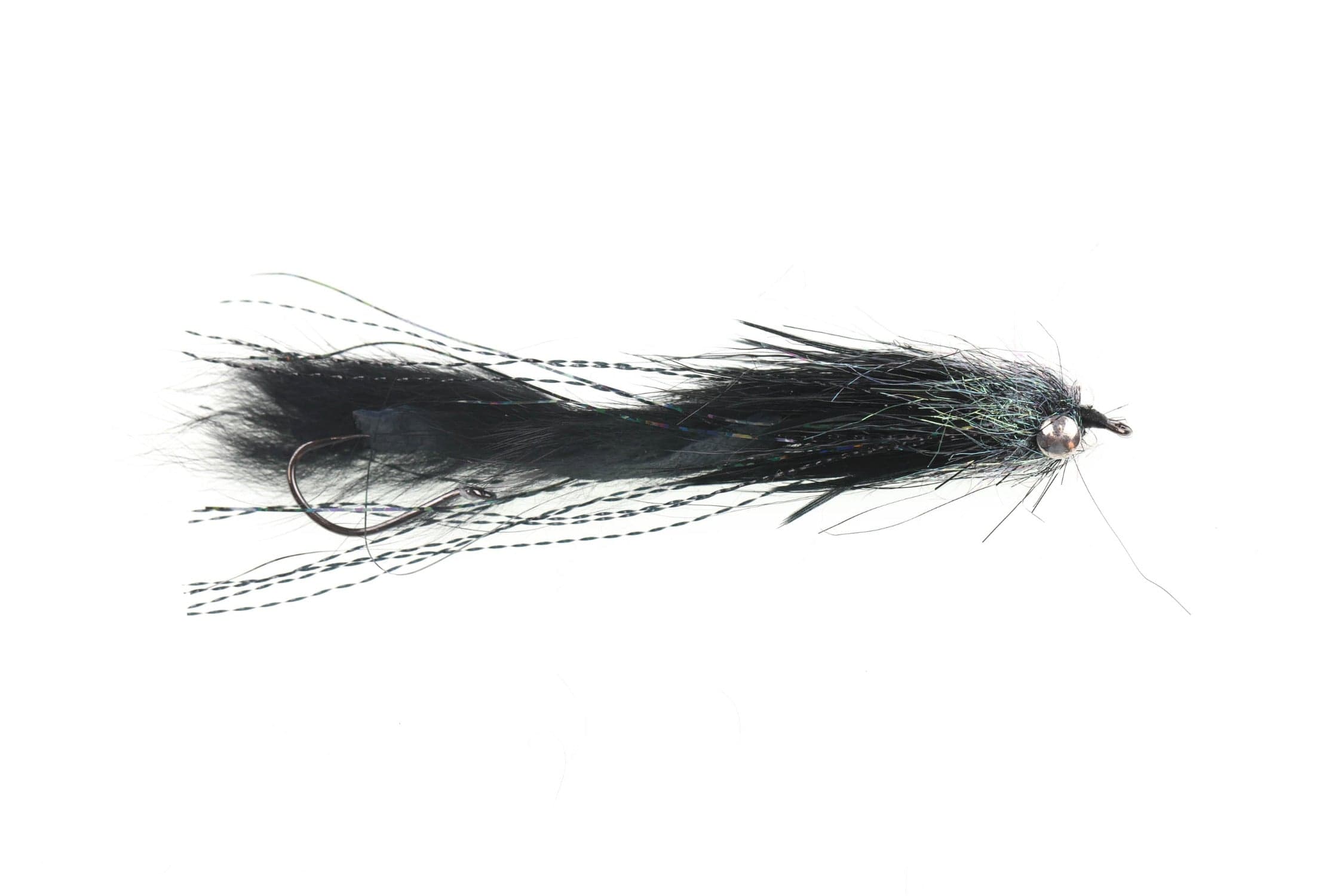
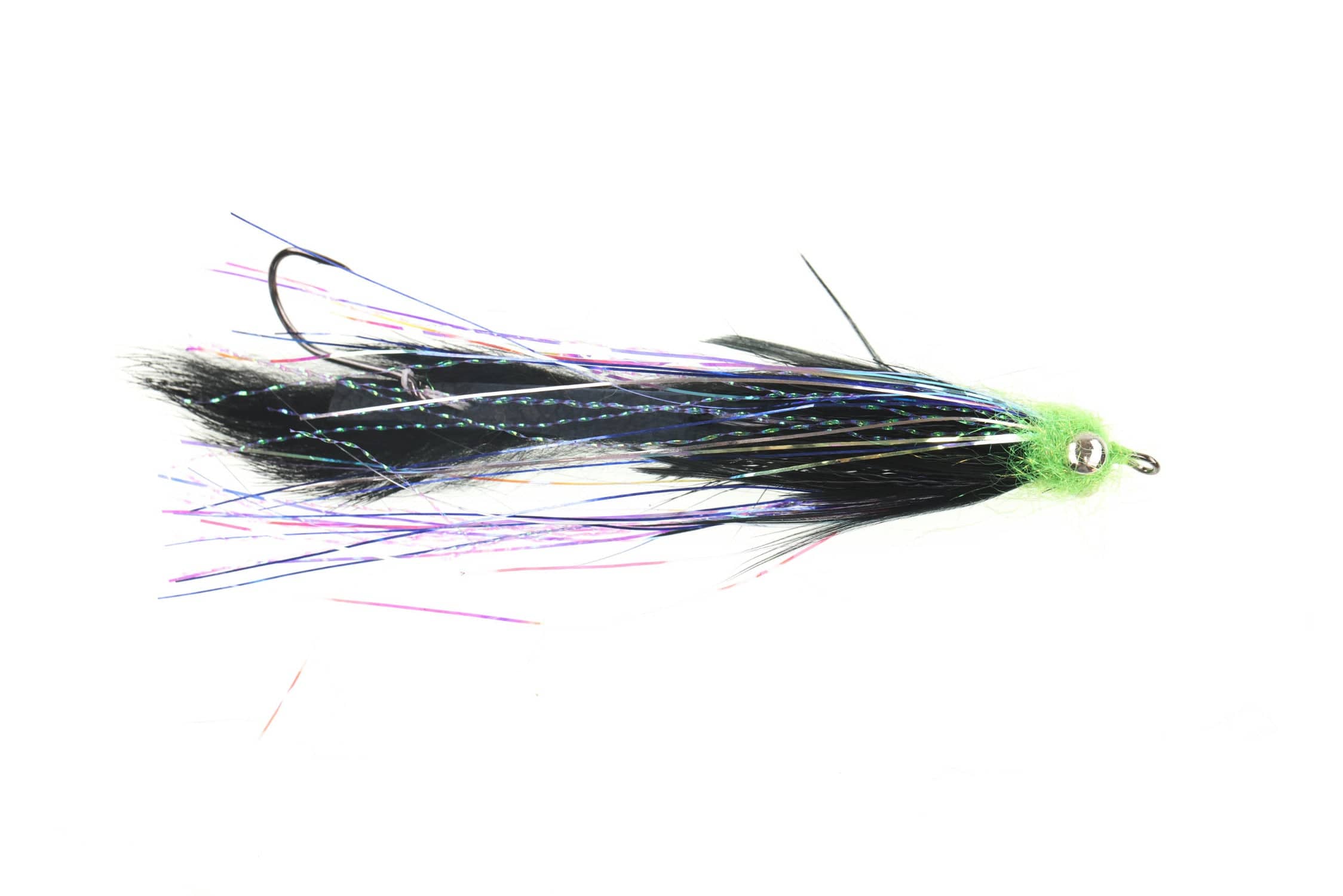
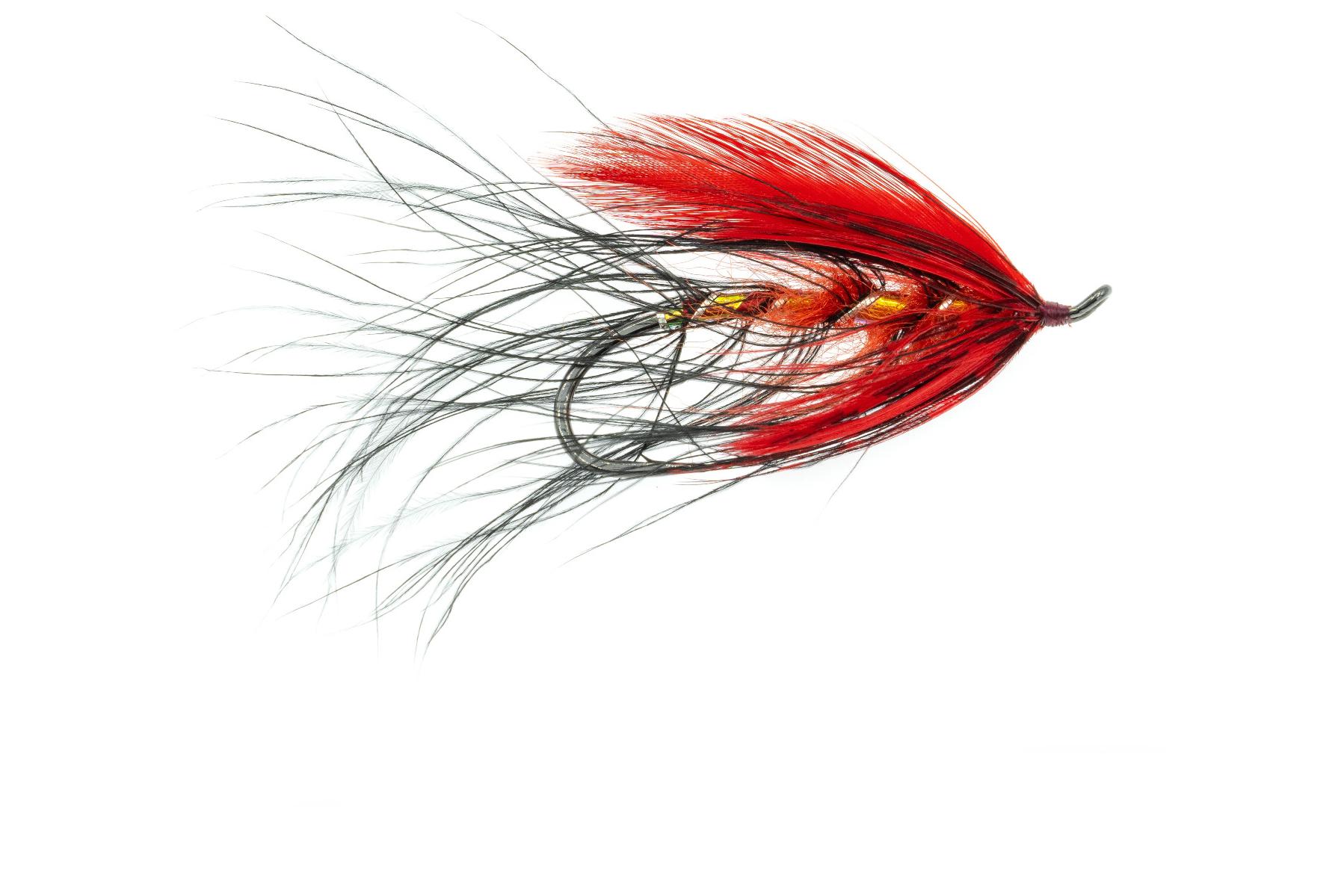
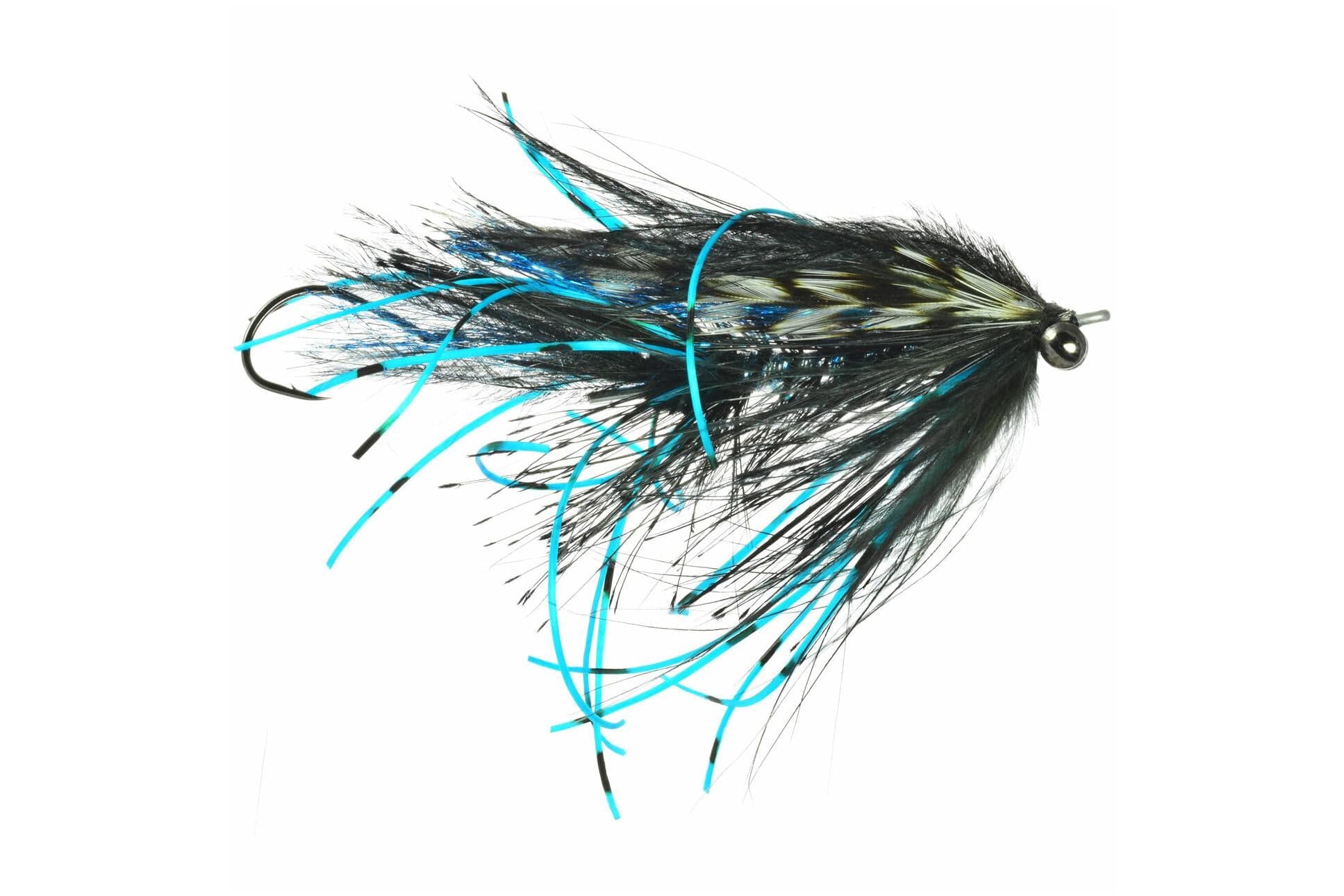
The Extractor Fly is a modern classic for targeting steelhead and salmon in the Pacific Northwest and beyond. Designed by renowned guide Brian Silvey, this pattern solves the common problem of casting large, heavy flies while still providing a substantial profile in the water. It uses a smart blend of materials to create a lifelike swimming action that triggers aggressive strikes from winter steelhead and coho salmon. This fly belongs in your swing box when you need a pattern that sinks quickly and moves with a pulse.
What It Imitates
This pattern is an attractor fly rather than a direct imitation of a specific insect. It mimics the general movement and profile of swimming aquatic creatures like prawns, squid, or baitfish. The rubber legs and ostrich plumes create a pulsating motion that looks like a struggling creature in the current.
How To Use It
Fish the Extractor Fly on a swing using a two-handed Spey rod or a single-handed rod with a heavy sinking tip. Cast downstream at a 45-degree angle and allow the current to sweep the fly across the river. Keep a tight line to feel the grab. The dumbbell eyes help the fly jig slightly during the swing, so try adding small twitches to your retrieve if a standard swing does not produce results.
When To Use It
This fly shines during winter steelhead seasons or whenever water temperatures drop. It is an excellent choice for cold, high water where you need to get down to the fish quickly. The bold colors like Orange and Black/Blue make it visible in stained or glacial green water. Use it when fish are holding deep and require a fly with plenty of movement to provoke a reaction.
Why We Like It
We appreciate the Extractor Fly because it casts much easier than other intruders of the same size. Brian Silvey designed it to shed water during the cast but fluff up instantly upon landing. The sparse design prevents it from fouling around the hook bend, which is a frequent issue with similar articulated patterns. It offers maximum movement with minimum bulk.
Comparisons
Extractor Fly vs. Hoh Bo Spey:
Extractor Fly vs. Dirty Hoh:
Extractor Fly vs. Standard Intruder:
Original: $6.99
-70%$6.99
$2.10Product Information
Product Information
Shipping & Returns
Shipping & Returns
Description
The Extractor Fly is a modern classic for targeting steelhead and salmon in the Pacific Northwest and beyond. Designed by renowned guide Brian Silvey, this pattern solves the common problem of casting large, heavy flies while still providing a substantial profile in the water. It uses a smart blend of materials to create a lifelike swimming action that triggers aggressive strikes from winter steelhead and coho salmon. This fly belongs in your swing box when you need a pattern that sinks quickly and moves with a pulse.
What It Imitates
This pattern is an attractor fly rather than a direct imitation of a specific insect. It mimics the general movement and profile of swimming aquatic creatures like prawns, squid, or baitfish. The rubber legs and ostrich plumes create a pulsating motion that looks like a struggling creature in the current.
How To Use It
Fish the Extractor Fly on a swing using a two-handed Spey rod or a single-handed rod with a heavy sinking tip. Cast downstream at a 45-degree angle and allow the current to sweep the fly across the river. Keep a tight line to feel the grab. The dumbbell eyes help the fly jig slightly during the swing, so try adding small twitches to your retrieve if a standard swing does not produce results.
When To Use It
This fly shines during winter steelhead seasons or whenever water temperatures drop. It is an excellent choice for cold, high water where you need to get down to the fish quickly. The bold colors like Orange and Black/Blue make it visible in stained or glacial green water. Use it when fish are holding deep and require a fly with plenty of movement to provoke a reaction.
Why We Like It
We appreciate the Extractor Fly because it casts much easier than other intruders of the same size. Brian Silvey designed it to shed water during the cast but fluff up instantly upon landing. The sparse design prevents it from fouling around the hook bend, which is a frequent issue with similar articulated patterns. It offers maximum movement with minimum bulk.
Comparisons
Extractor Fly vs. Hoh Bo Spey:
Extractor Fly vs. Dirty Hoh:
Extractor Fly vs. Standard Intruder: