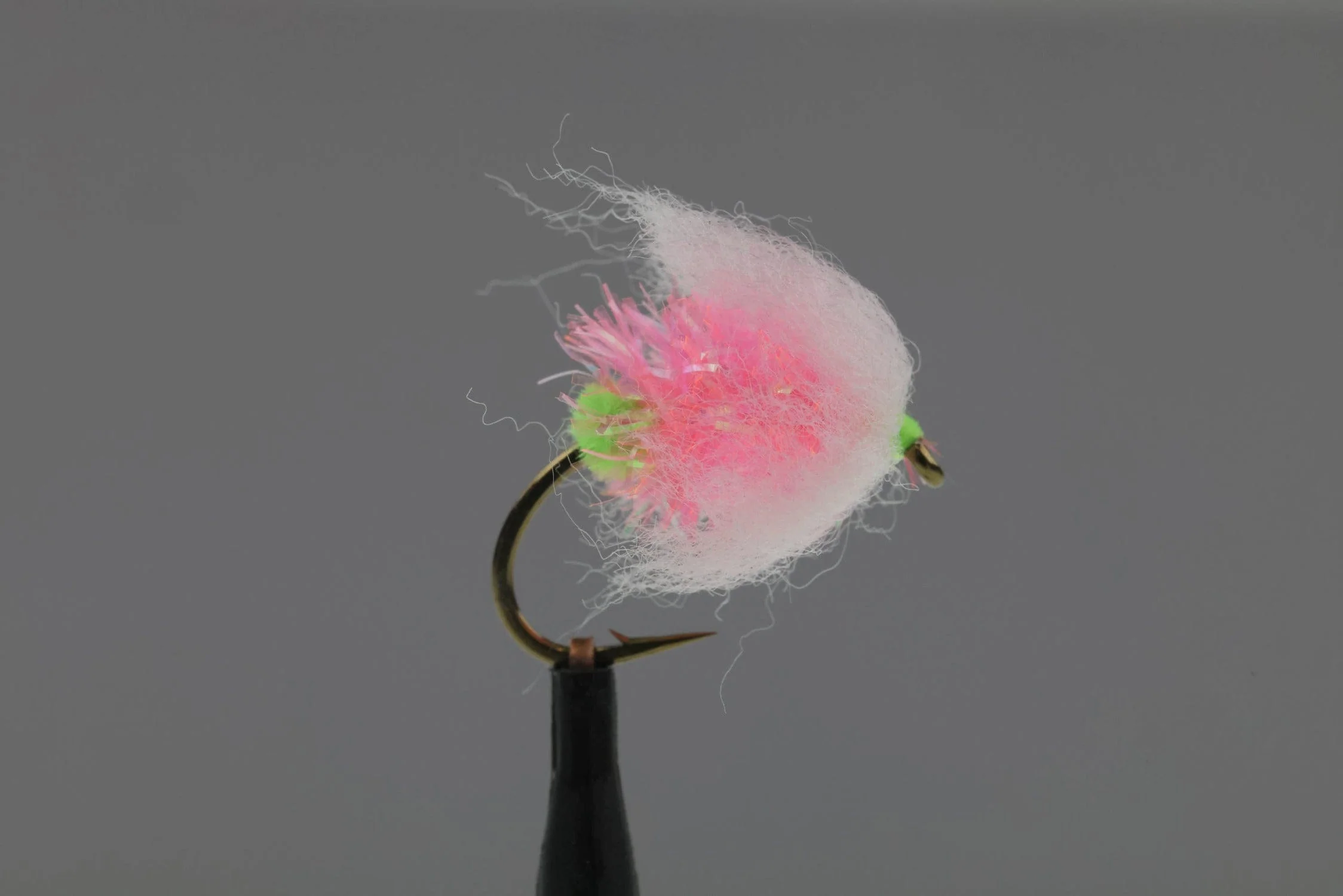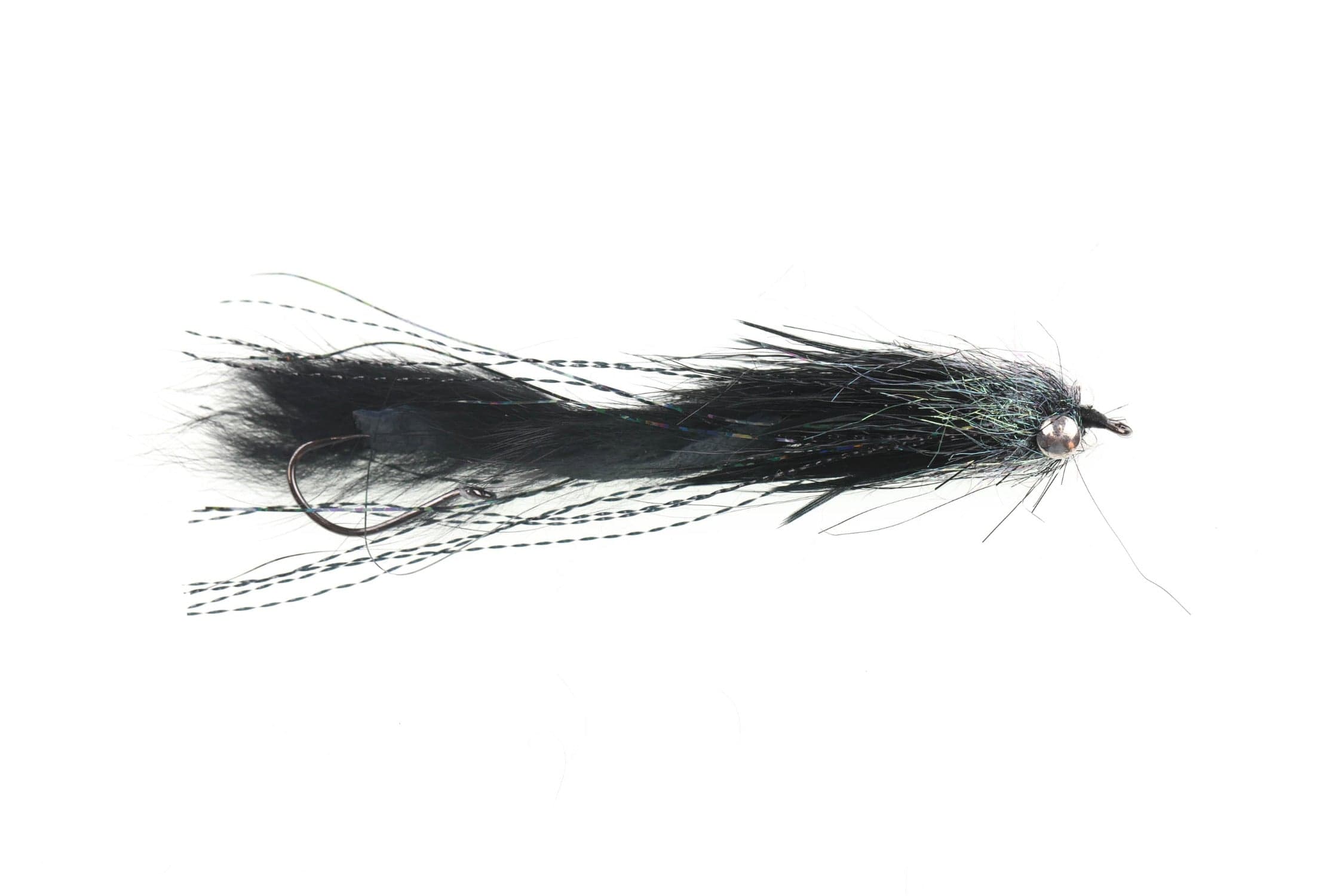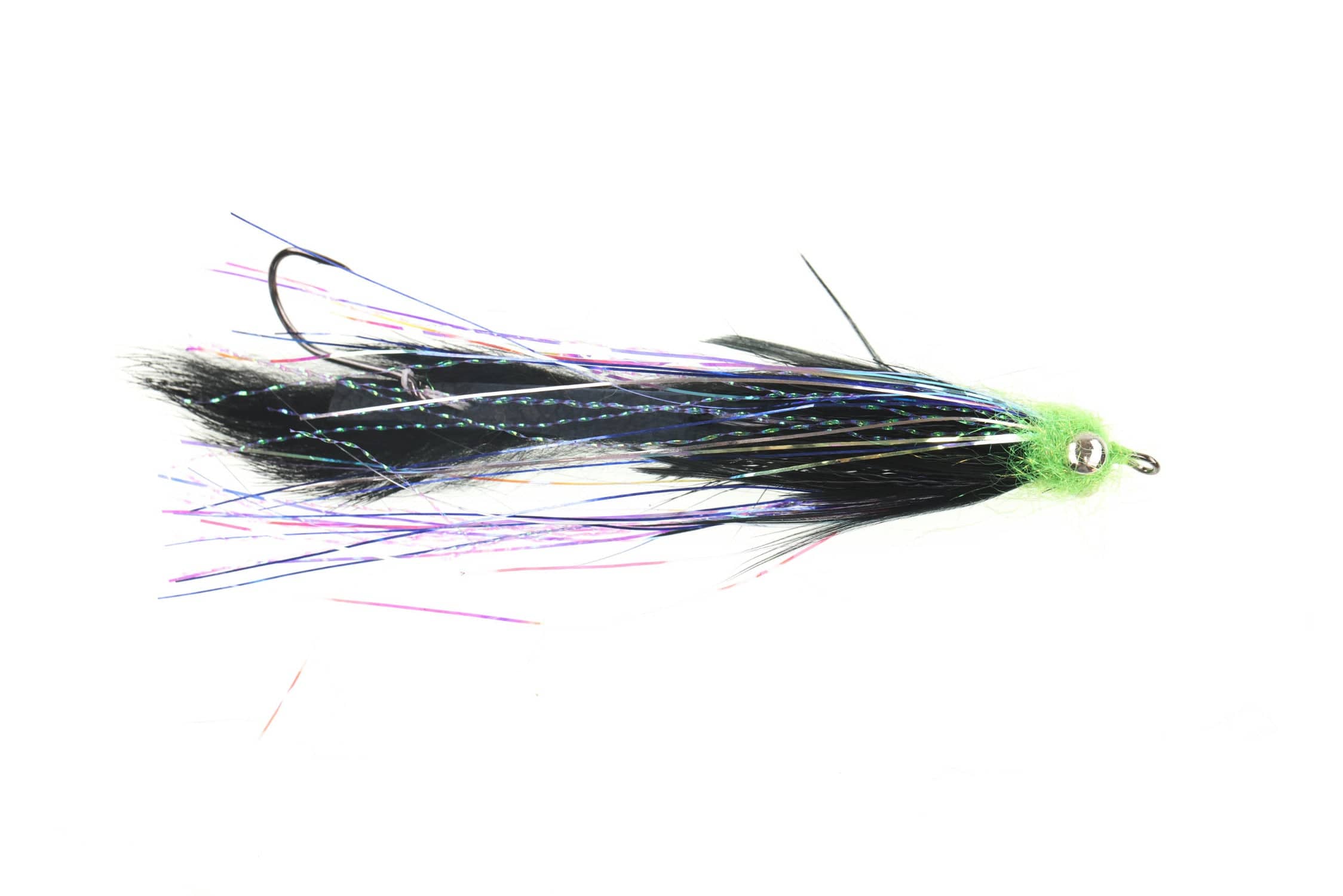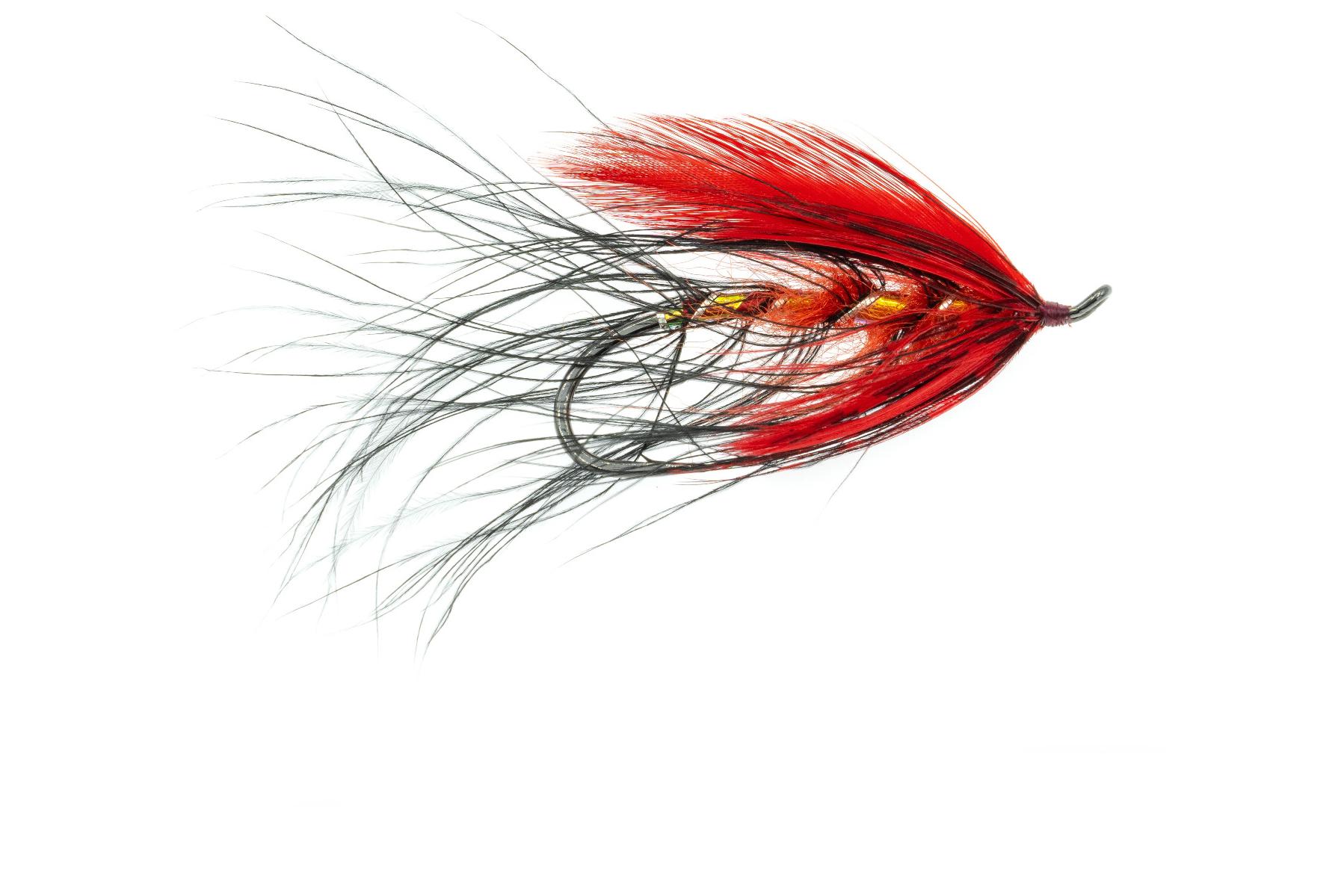
Hare Leech Fly
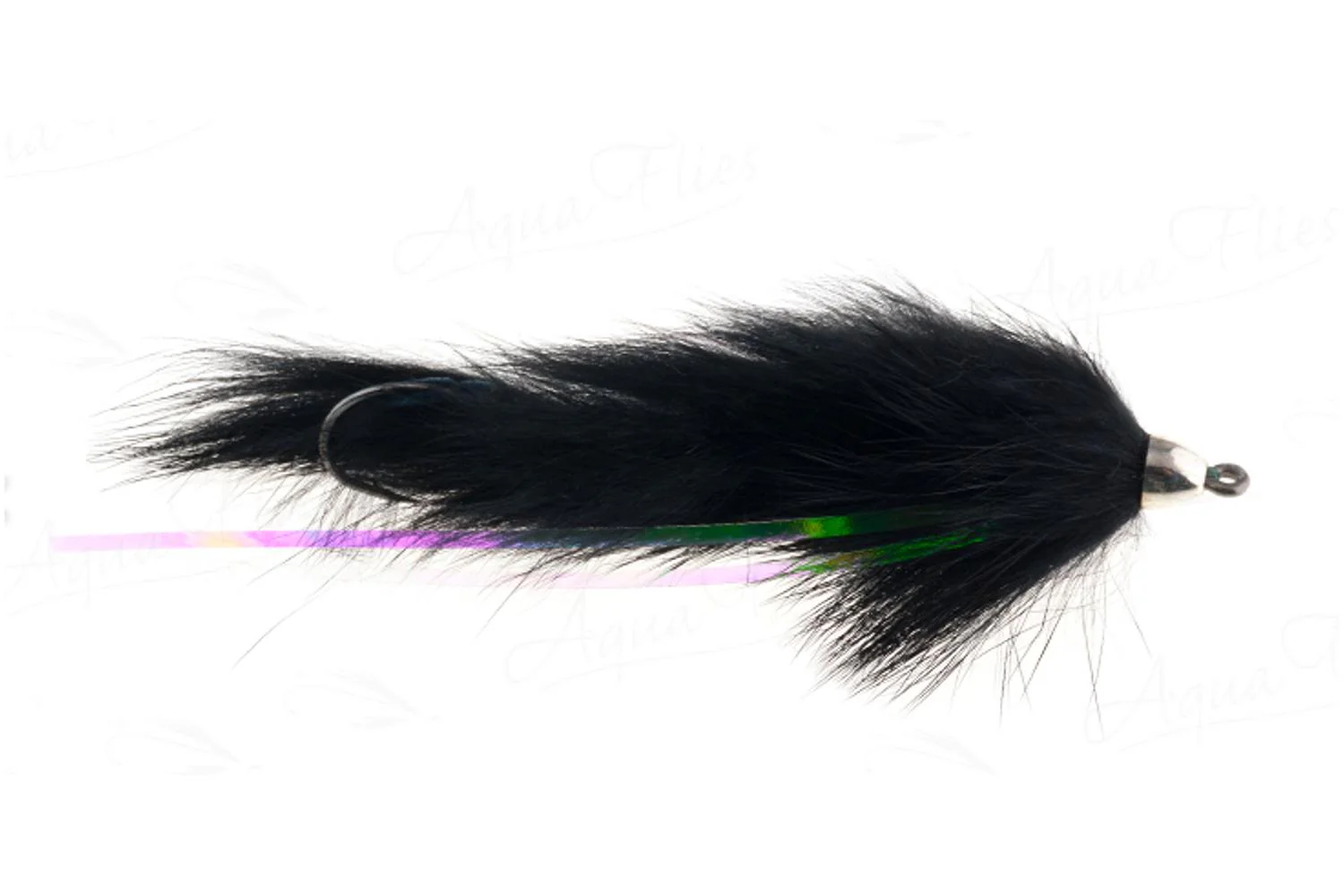
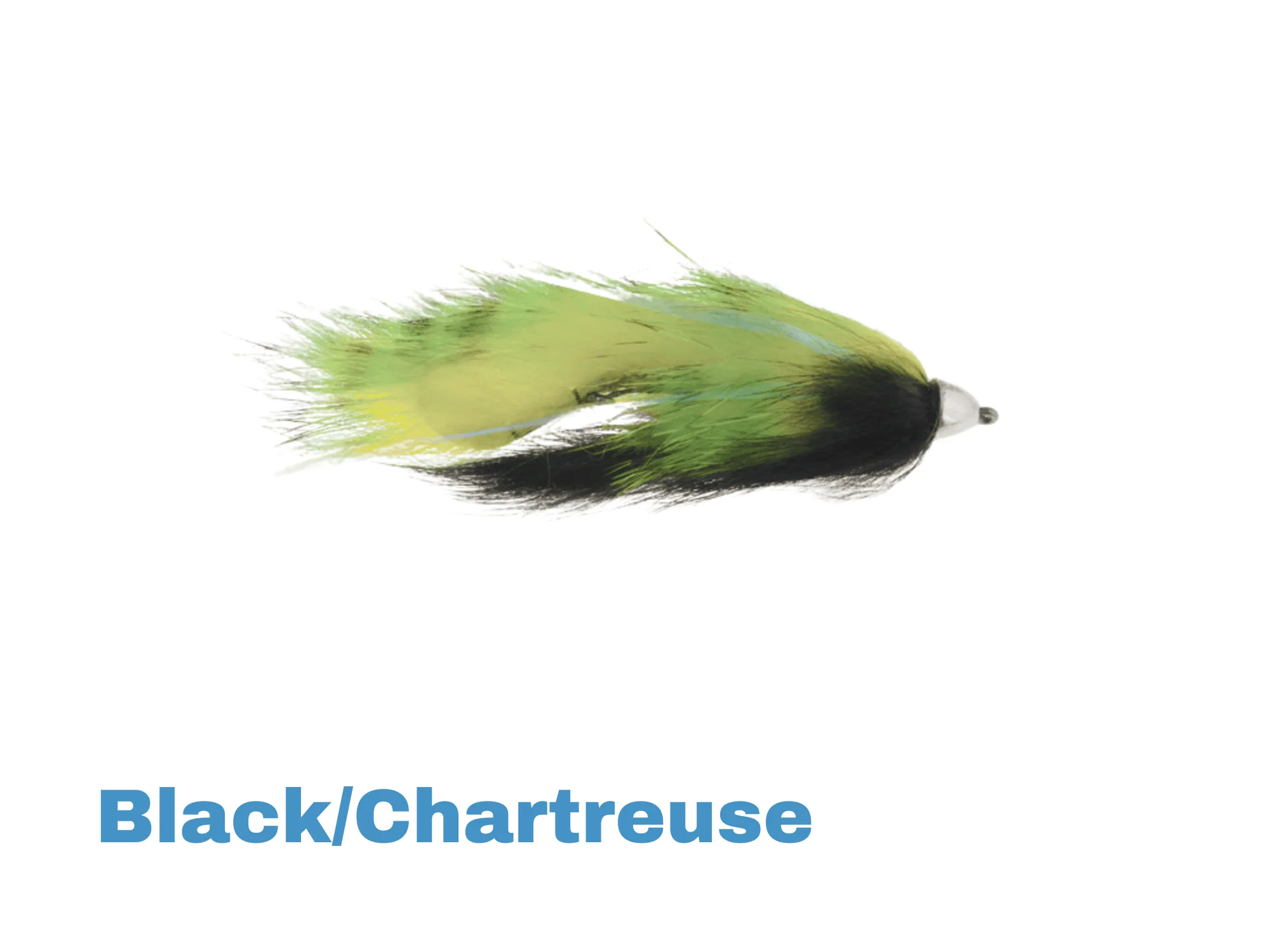
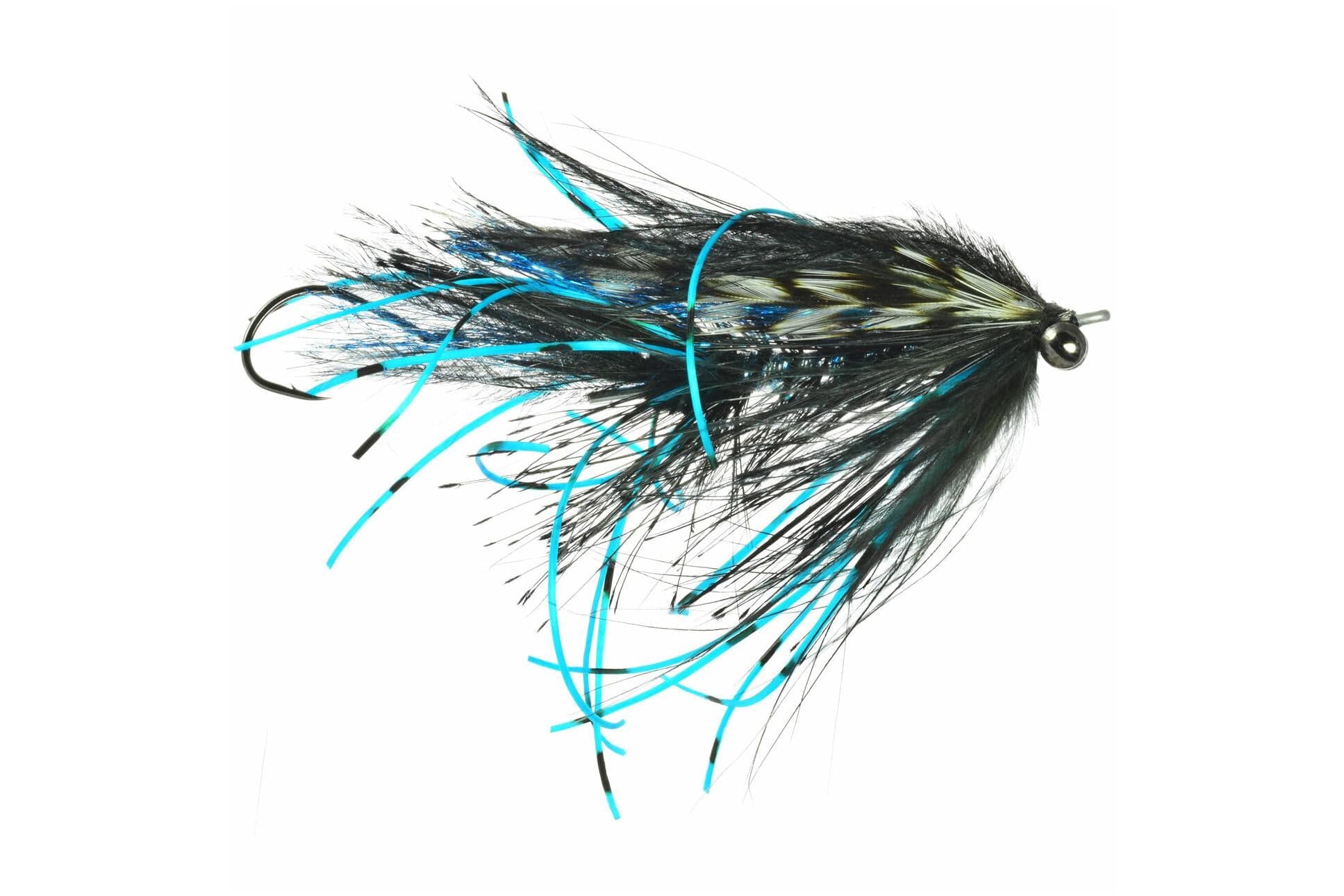
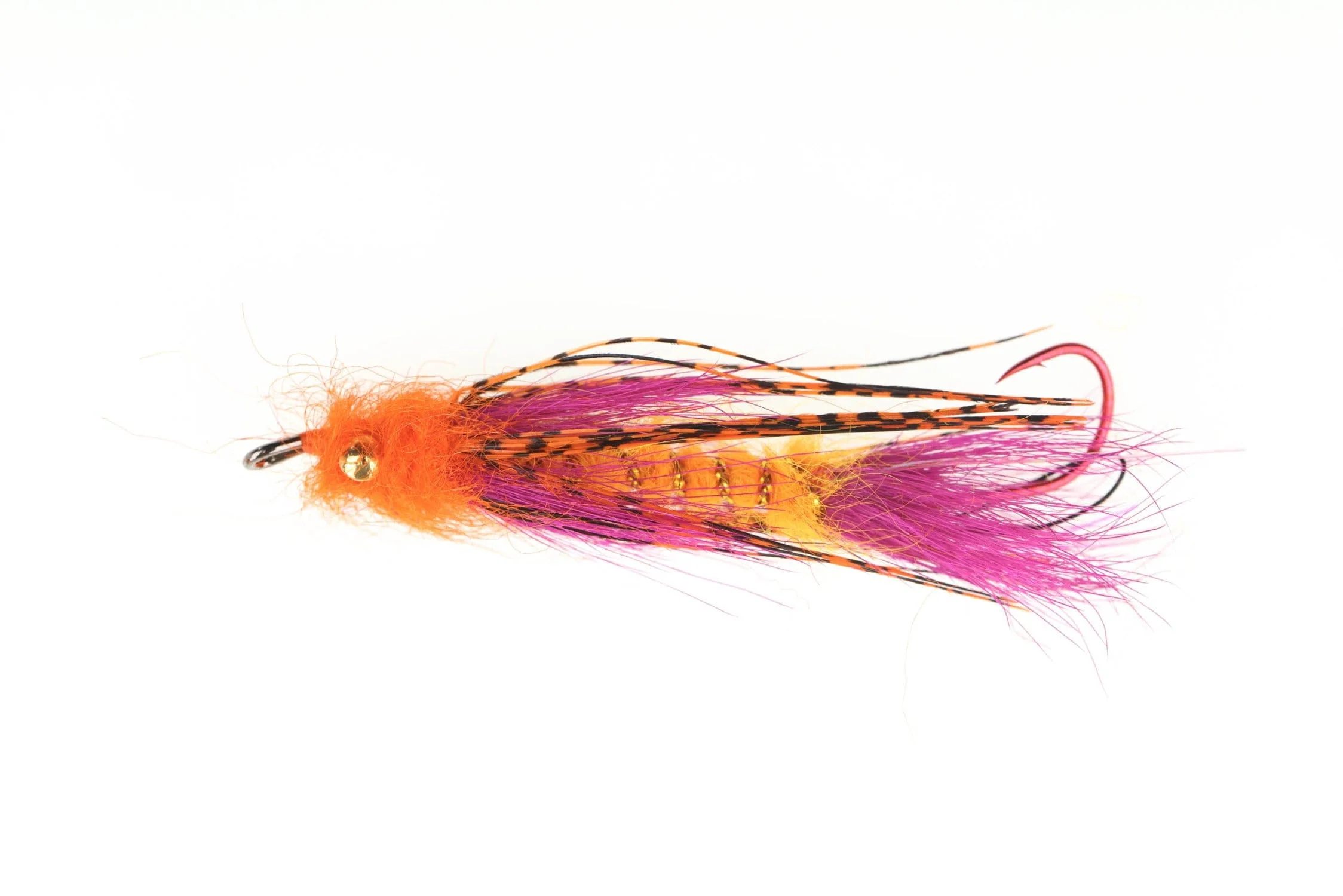
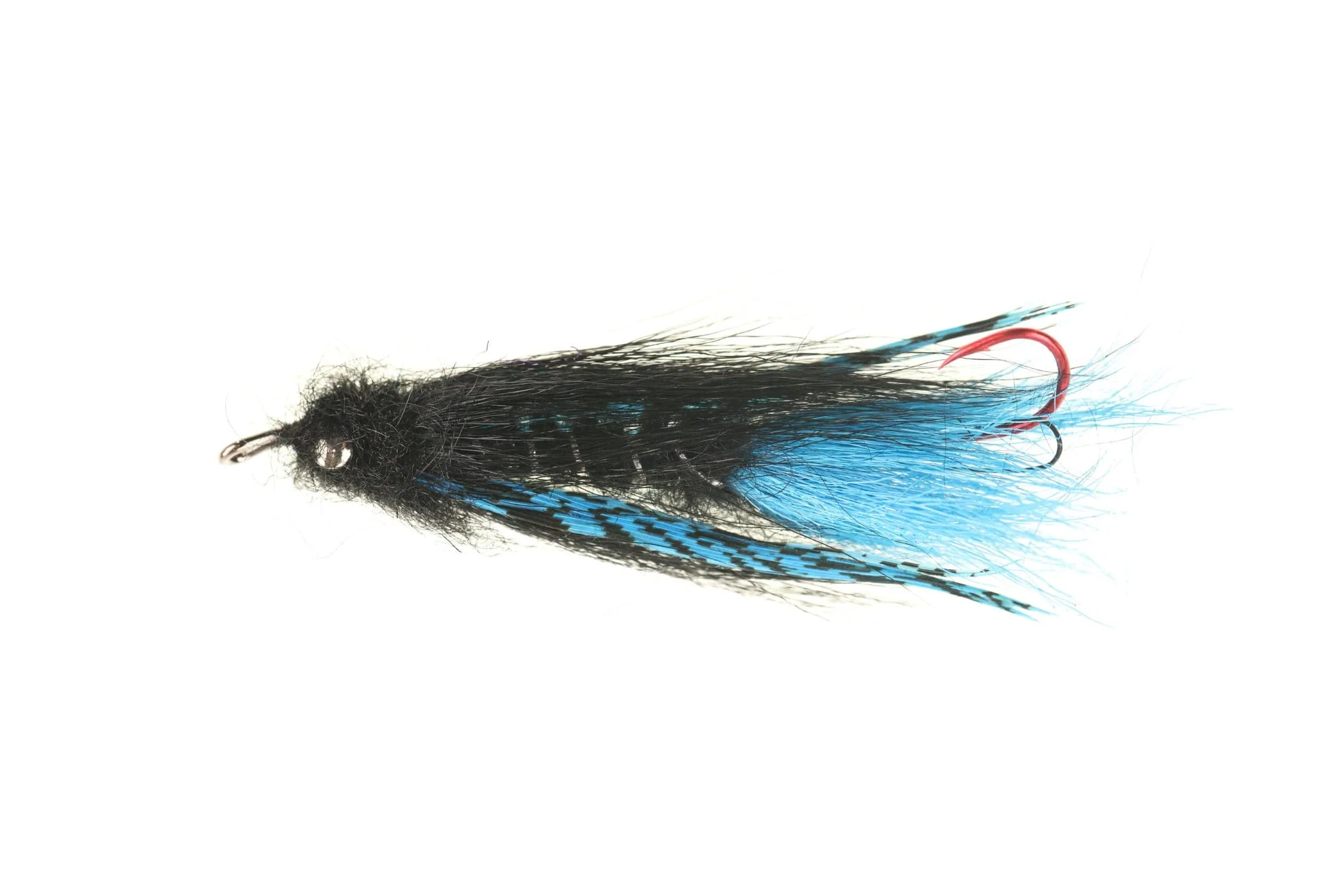
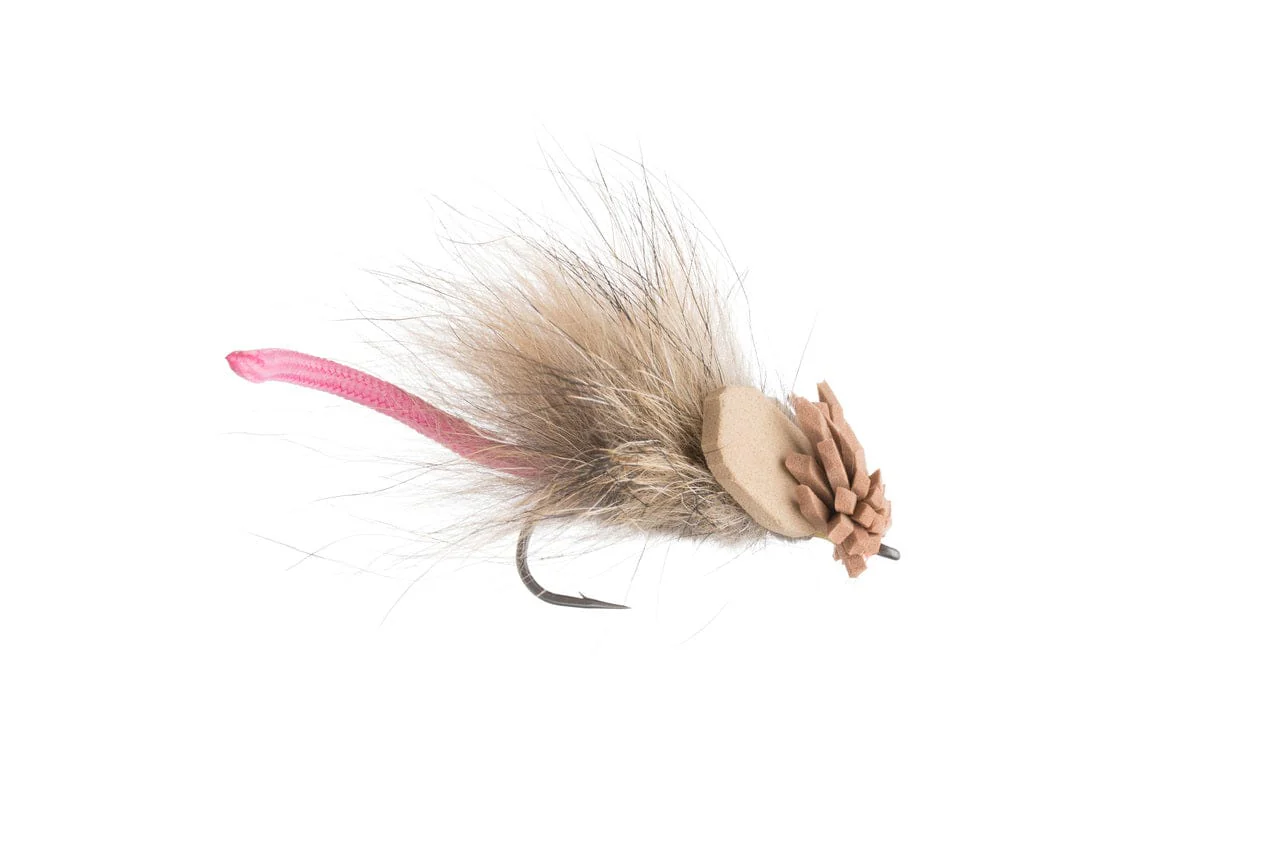
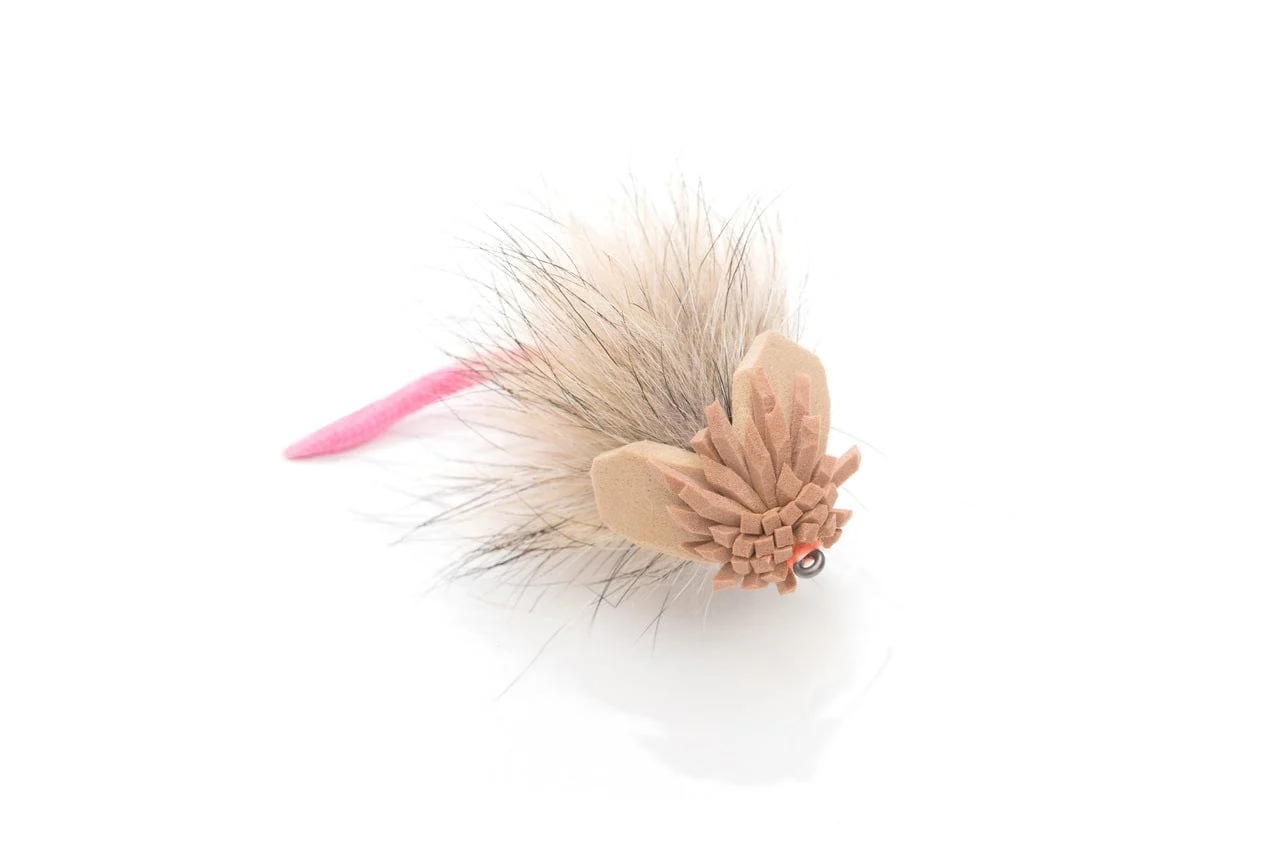
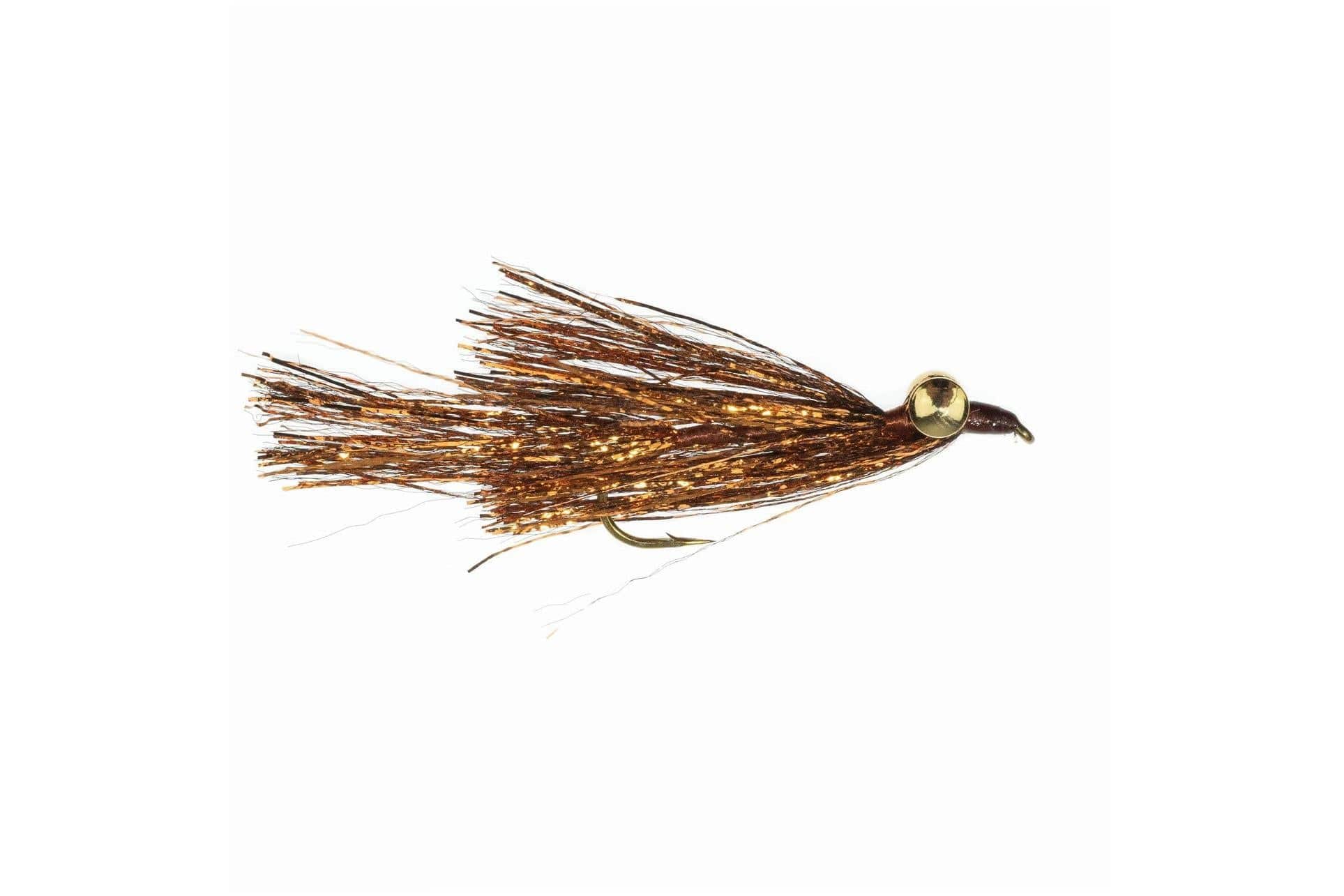
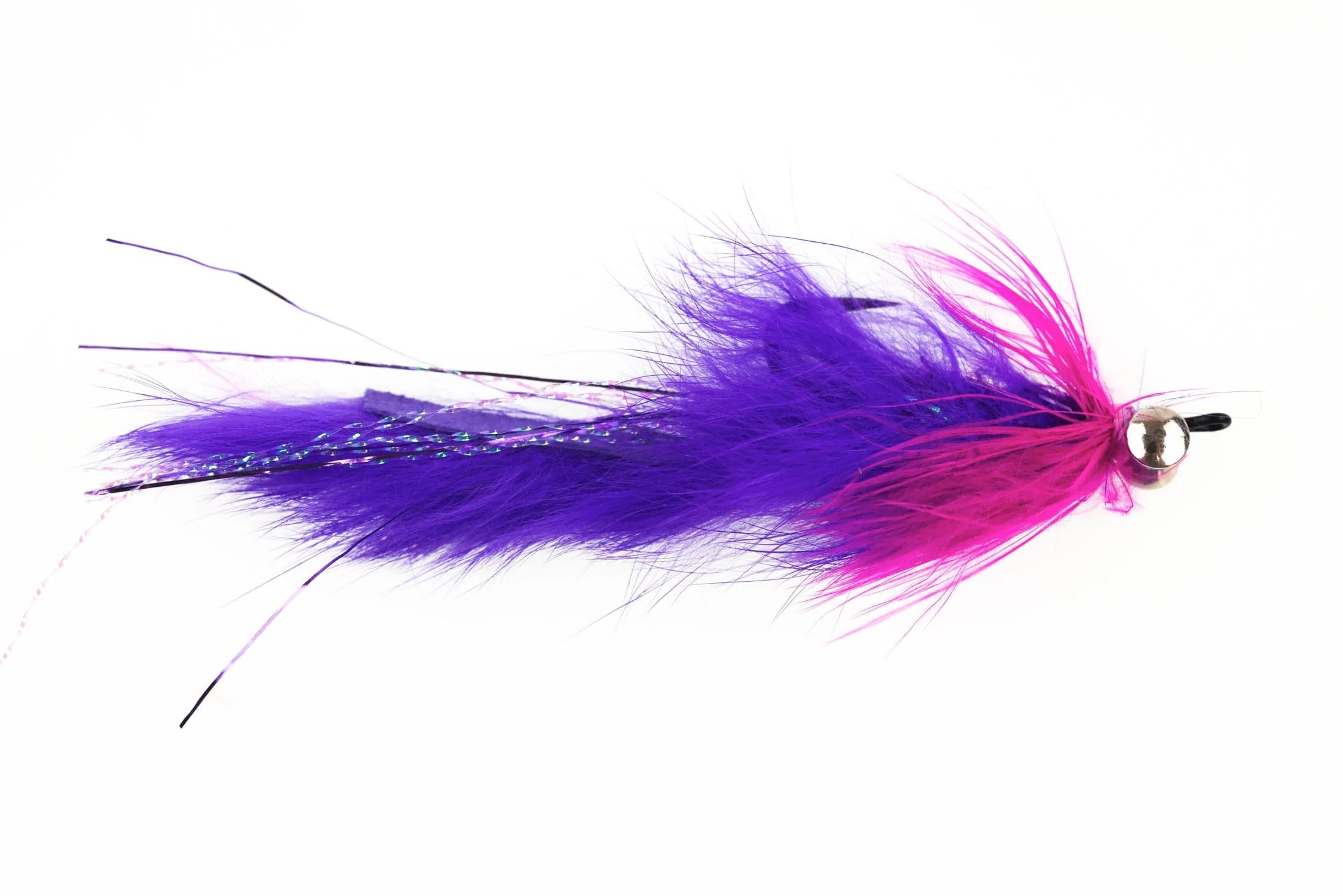
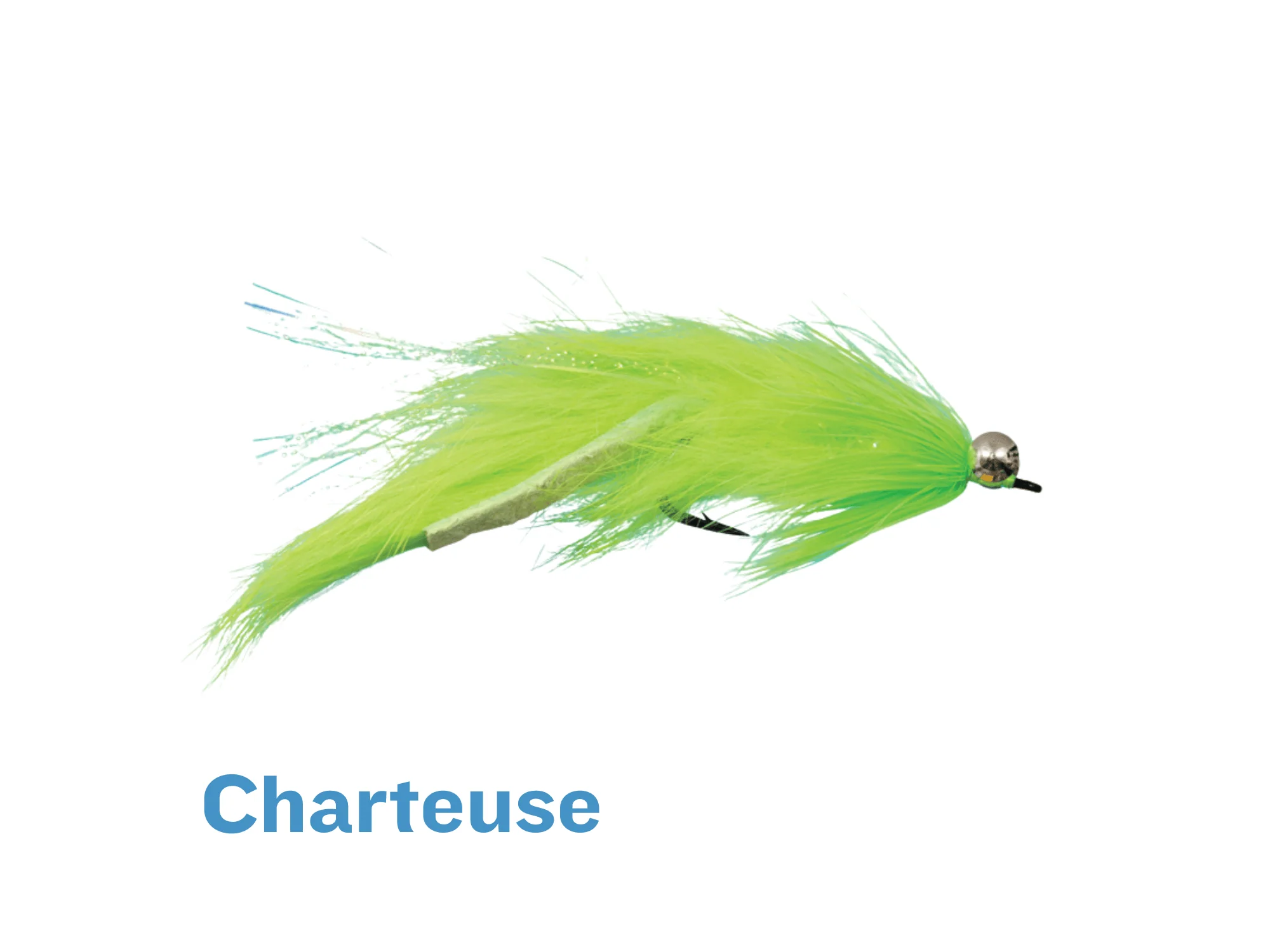
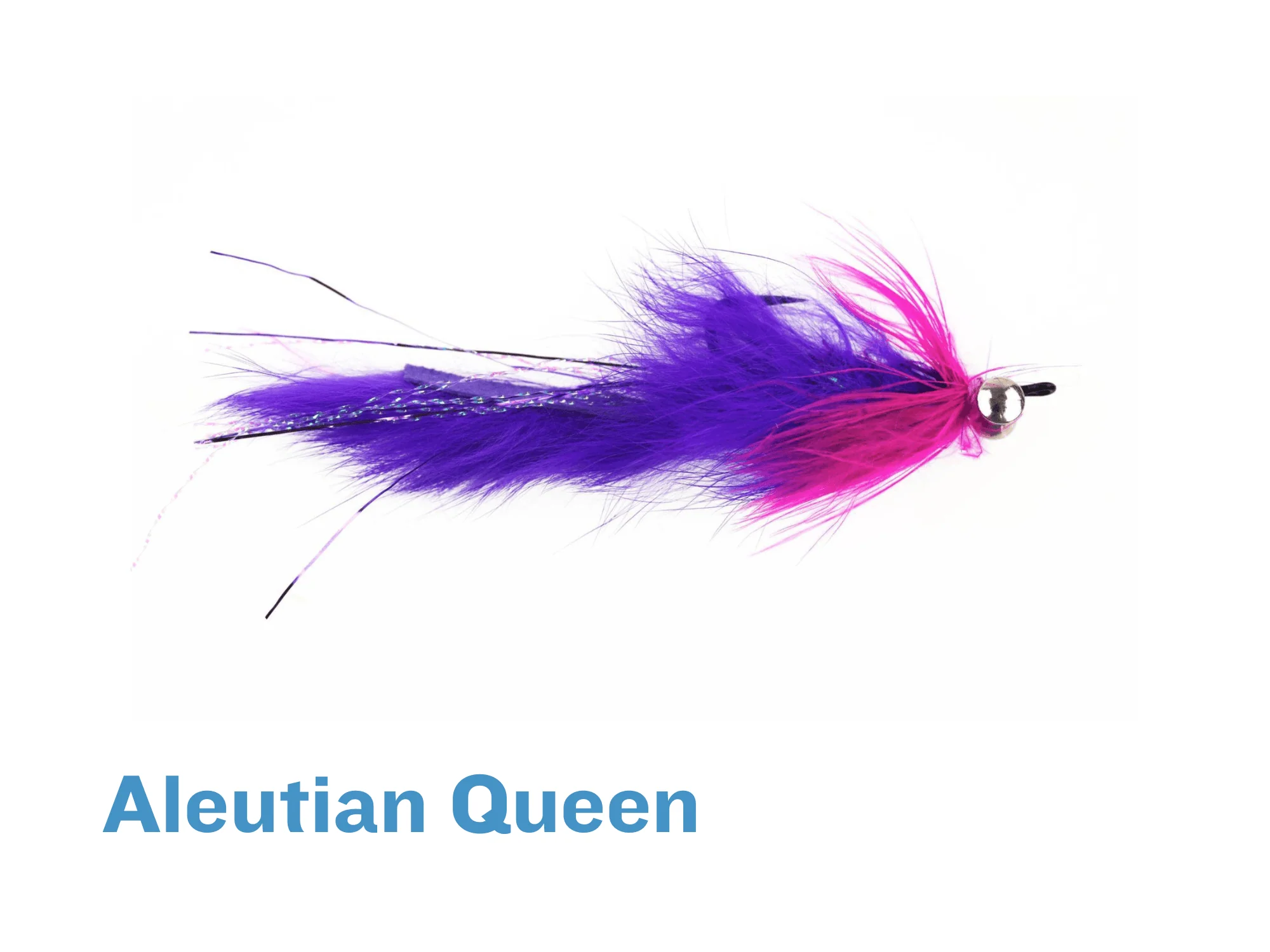
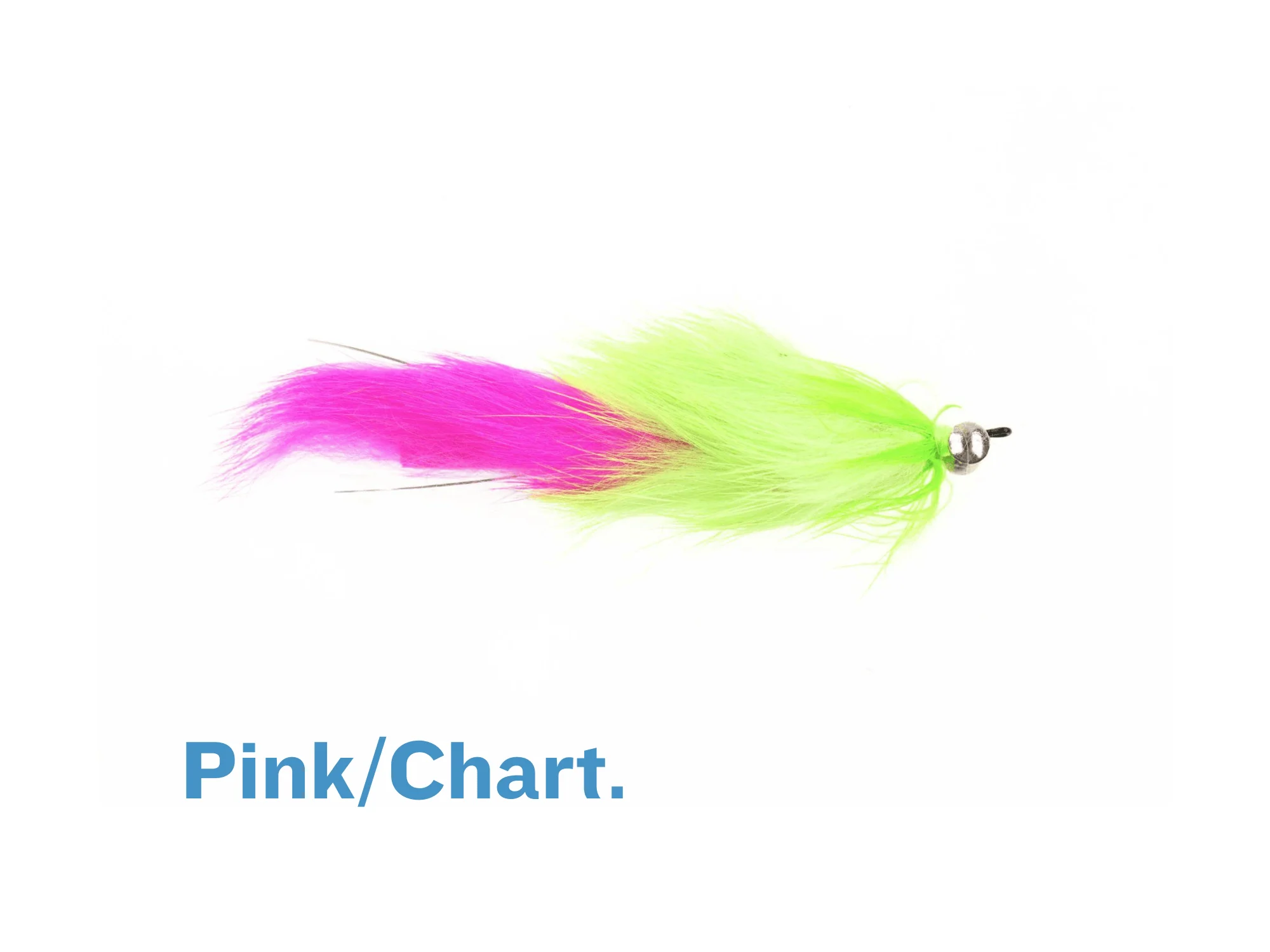
The Solitude Hare Leech is a staple pattern for anglers chasing salmon, steelhead, and large trout. This fly relies on the incredible movement of rabbit fur to trigger strikes from aggressive fish. It features a heavy dumbbell eye that helps it sink quickly into the strike zone. The rabbit strip tail and body pulsate in the water with every twitch of the line or shift in the current. Whether you are targeting Coho salmon in Alaska or swinging for winter steelhead in the Pacific Northwest, this fly deserves a spot in your box.
What It Imitates
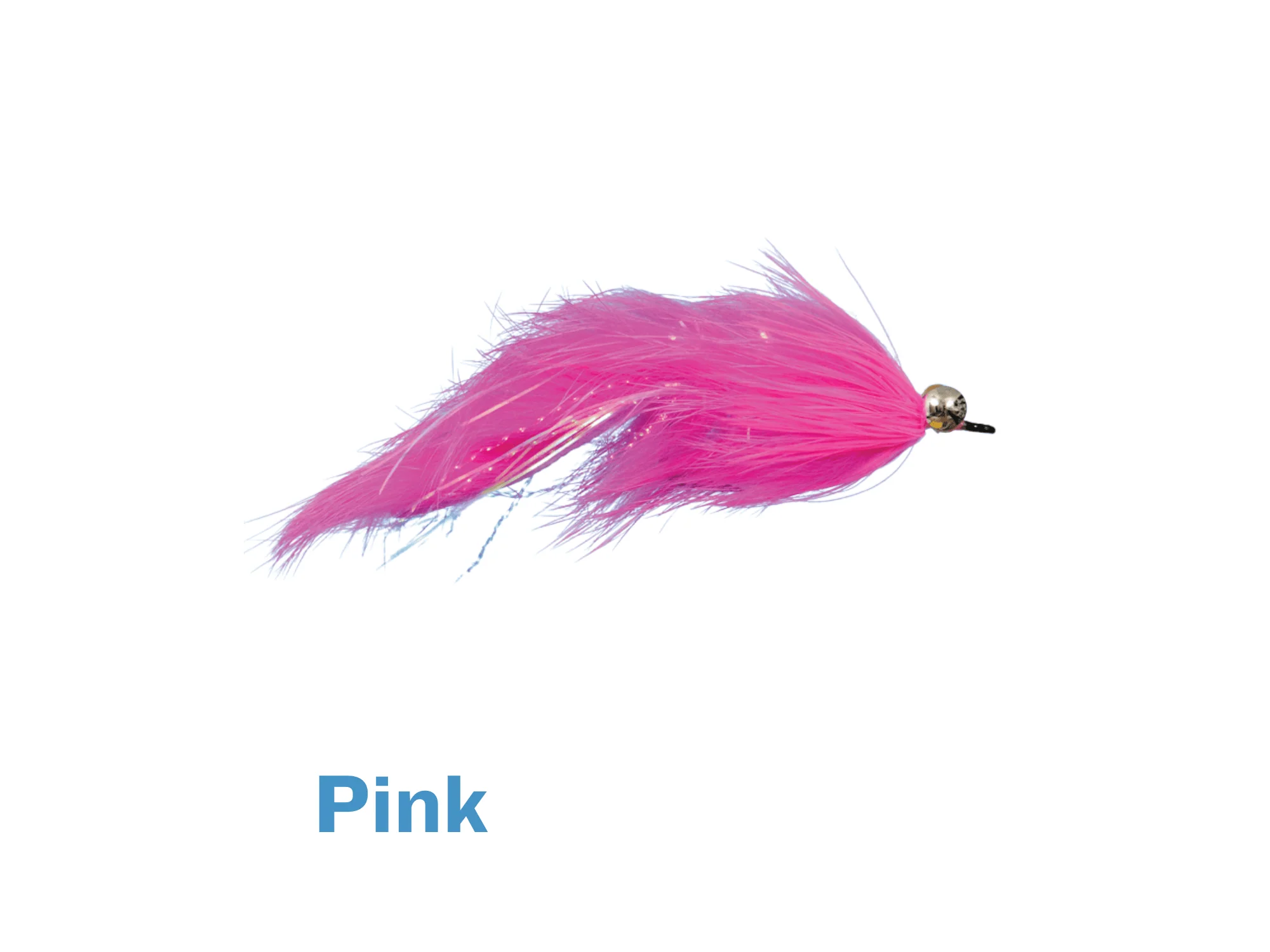
This pattern imitates leeches, baitfish, and other large aquatic prey. In bright colors like Pink or Chartreuse, it acts as an attractor that aggravates fish into biting. The natural movement of the materials mimics a swimming creature struggling in the current.
How To Use It
Fish this fly on a swing using a sink-tip line to get it down to the fish. Cast downstream and across, mend your line, and let the fly sweep across the current. You can also strip it in slack water or lakes. Use long, slow pulls to make the rabbit fur expand and contract. This "breathing" action is often what convinces a fish to commit.
When To Use It
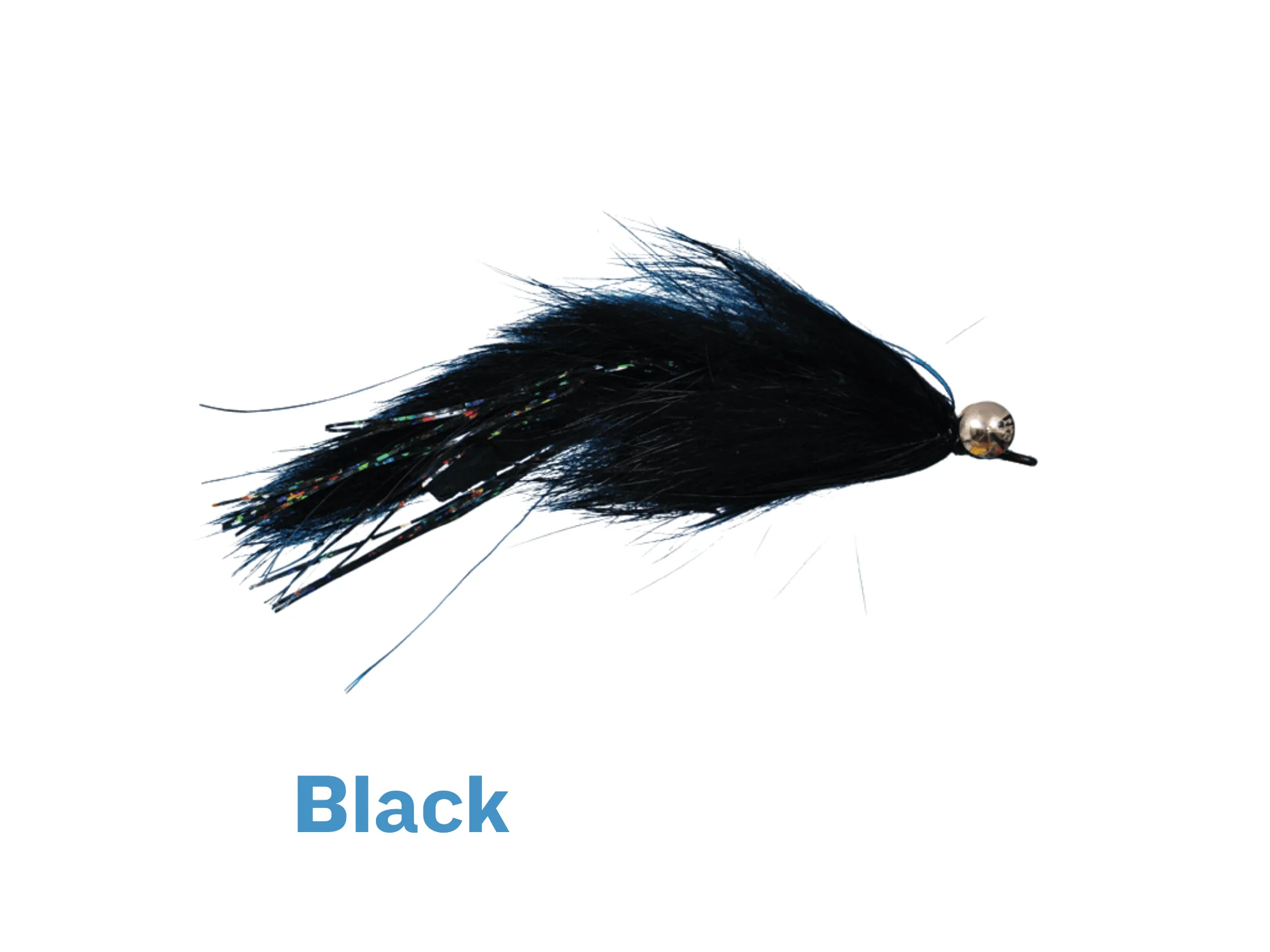
This fly shines in cold or high water conditions where you need a large profile to get attention. It is a top choice during salmon runs when fish are aggressive but need a substantial meal to provoke a reaction. Use dark colors like Black or Aleutian Queen on cloudy days or in dirty water. Switch to brighter colors like Pink or Chartreuse when the water is clear or when targeting fresh fish from the ocean.
Why We Like It
We like the Hare Leech because it is durable and moves more water than a standard marabou fly. The rabbit hide stands up to sharp teeth better than softer feathers. Solitude Flies ties this pattern on a strong size 1 hook that can handle the power of a hot steelhead or a heavy salmon.
Comparisons
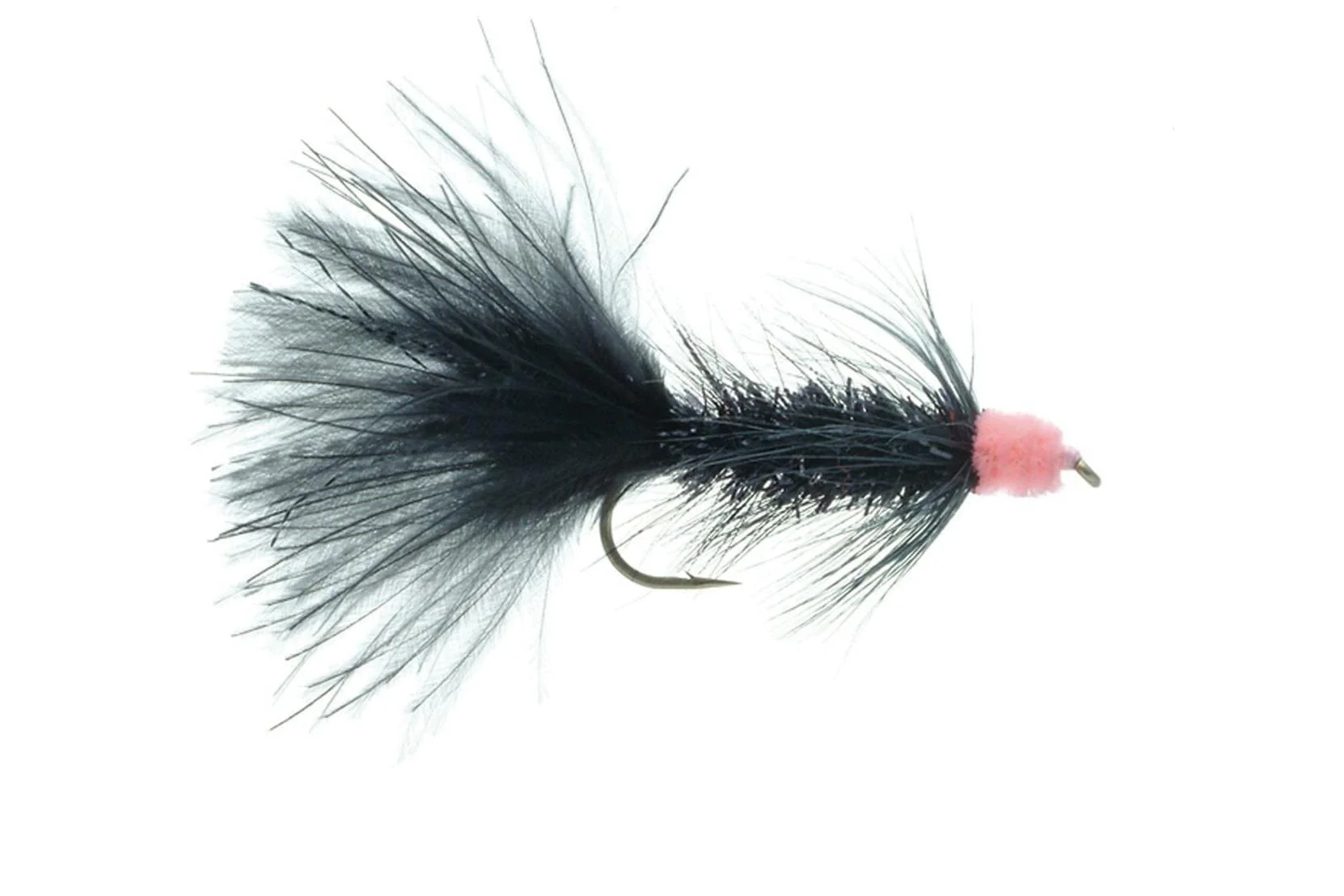
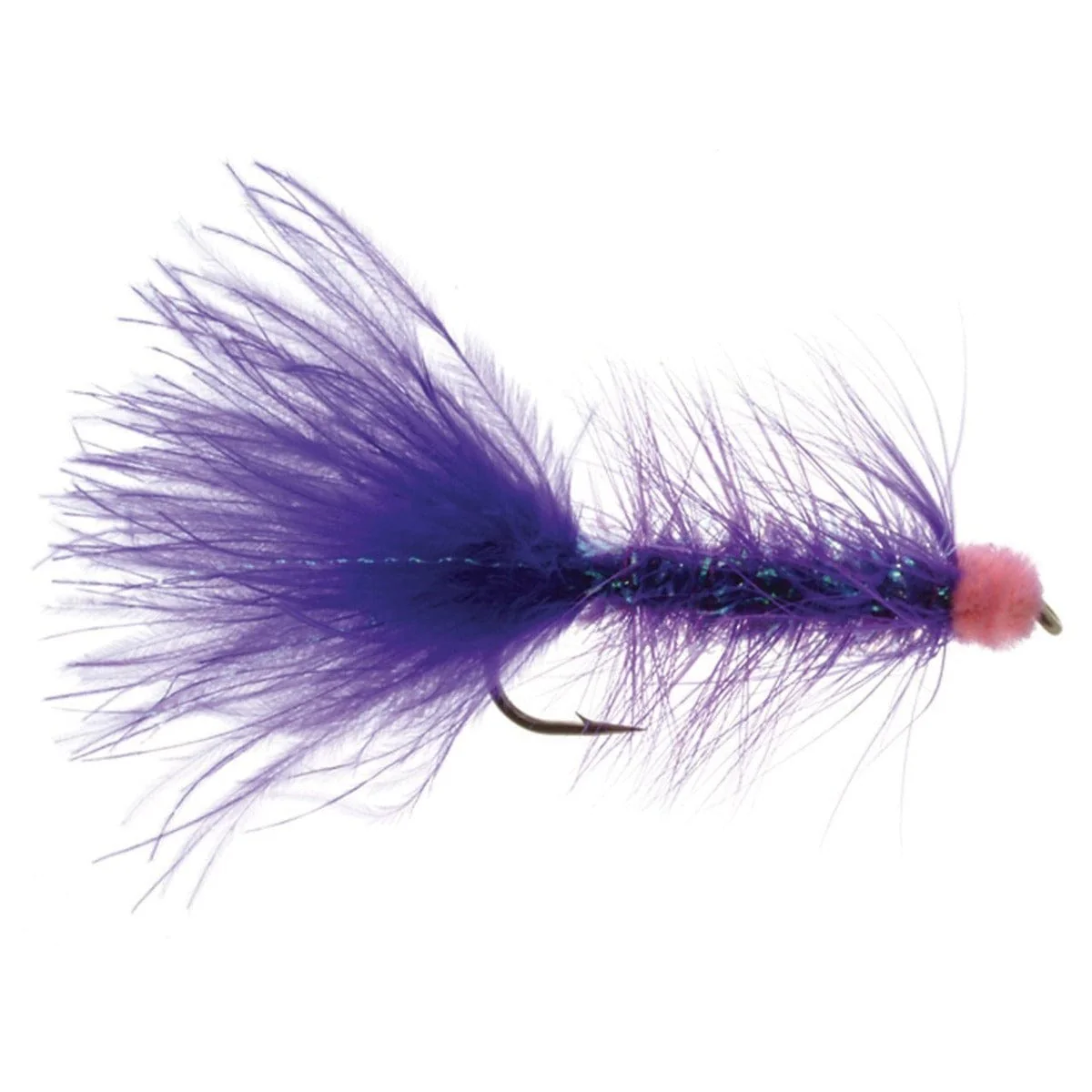
Hare Leech vs Egg Sucking Leech:
Hare Leech vs Intruder:
Hare Leech vs Woolly Bugger:
Original: $4.99
-70%$4.99
$1.50Product Information
Product Information
Shipping & Returns
Shipping & Returns
Description
The Solitude Hare Leech is a staple pattern for anglers chasing salmon, steelhead, and large trout. This fly relies on the incredible movement of rabbit fur to trigger strikes from aggressive fish. It features a heavy dumbbell eye that helps it sink quickly into the strike zone. The rabbit strip tail and body pulsate in the water with every twitch of the line or shift in the current. Whether you are targeting Coho salmon in Alaska or swinging for winter steelhead in the Pacific Northwest, this fly deserves a spot in your box.
What It Imitates
This pattern imitates leeches, baitfish, and other large aquatic prey. In bright colors like Pink or Chartreuse, it acts as an attractor that aggravates fish into biting. The natural movement of the materials mimics a swimming creature struggling in the current.
How To Use It
Fish this fly on a swing using a sink-tip line to get it down to the fish. Cast downstream and across, mend your line, and let the fly sweep across the current. You can also strip it in slack water or lakes. Use long, slow pulls to make the rabbit fur expand and contract. This "breathing" action is often what convinces a fish to commit.
When To Use It
This fly shines in cold or high water conditions where you need a large profile to get attention. It is a top choice during salmon runs when fish are aggressive but need a substantial meal to provoke a reaction. Use dark colors like Black or Aleutian Queen on cloudy days or in dirty water. Switch to brighter colors like Pink or Chartreuse when the water is clear or when targeting fresh fish from the ocean.
Why We Like It
We like the Hare Leech because it is durable and moves more water than a standard marabou fly. The rabbit hide stands up to sharp teeth better than softer feathers. Solitude Flies ties this pattern on a strong size 1 hook that can handle the power of a hot steelhead or a heavy salmon.
Comparisons
Hare Leech vs Egg Sucking Leech:
Hare Leech vs Intruder:
Hare Leech vs Woolly Bugger: