Lifter Fly
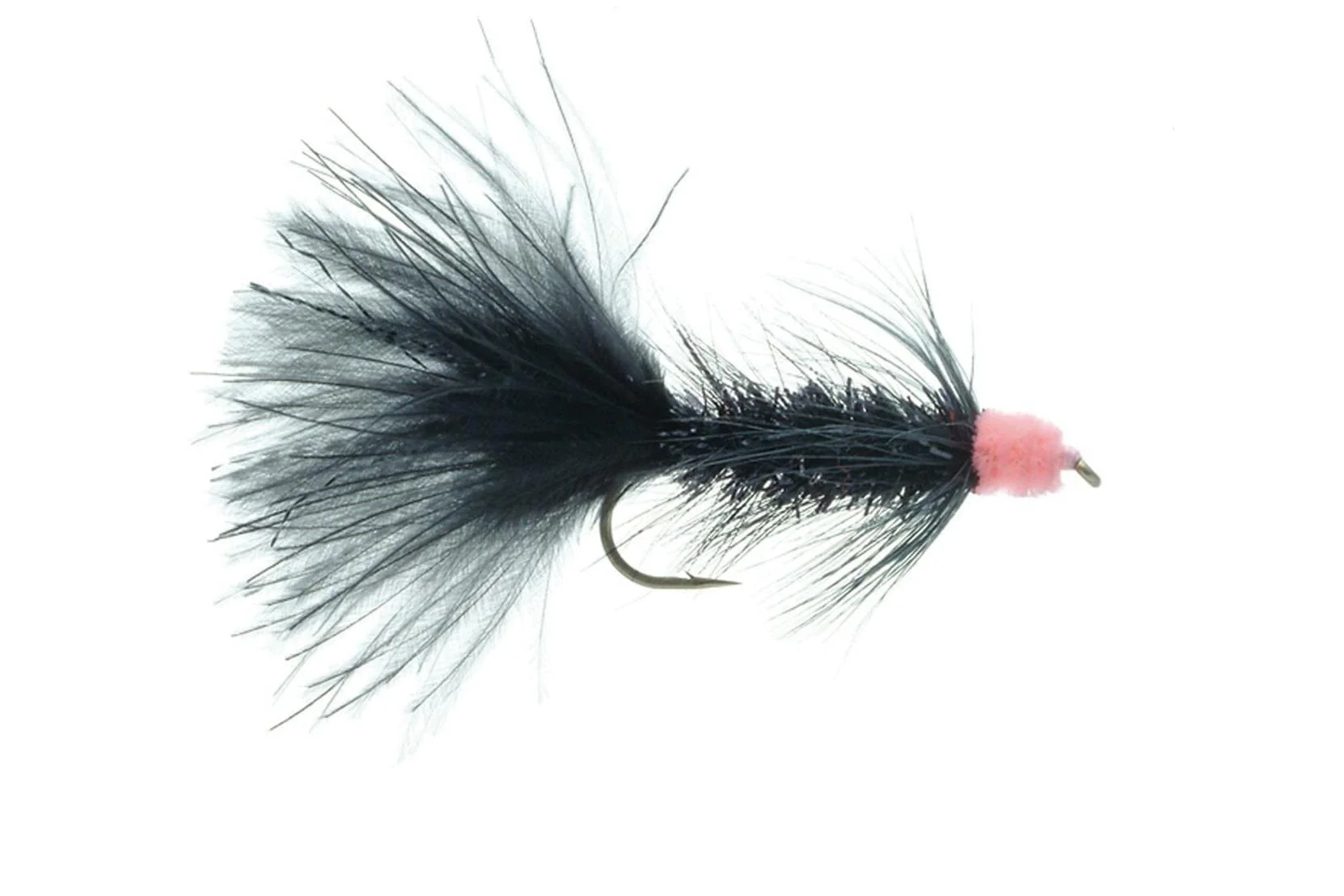
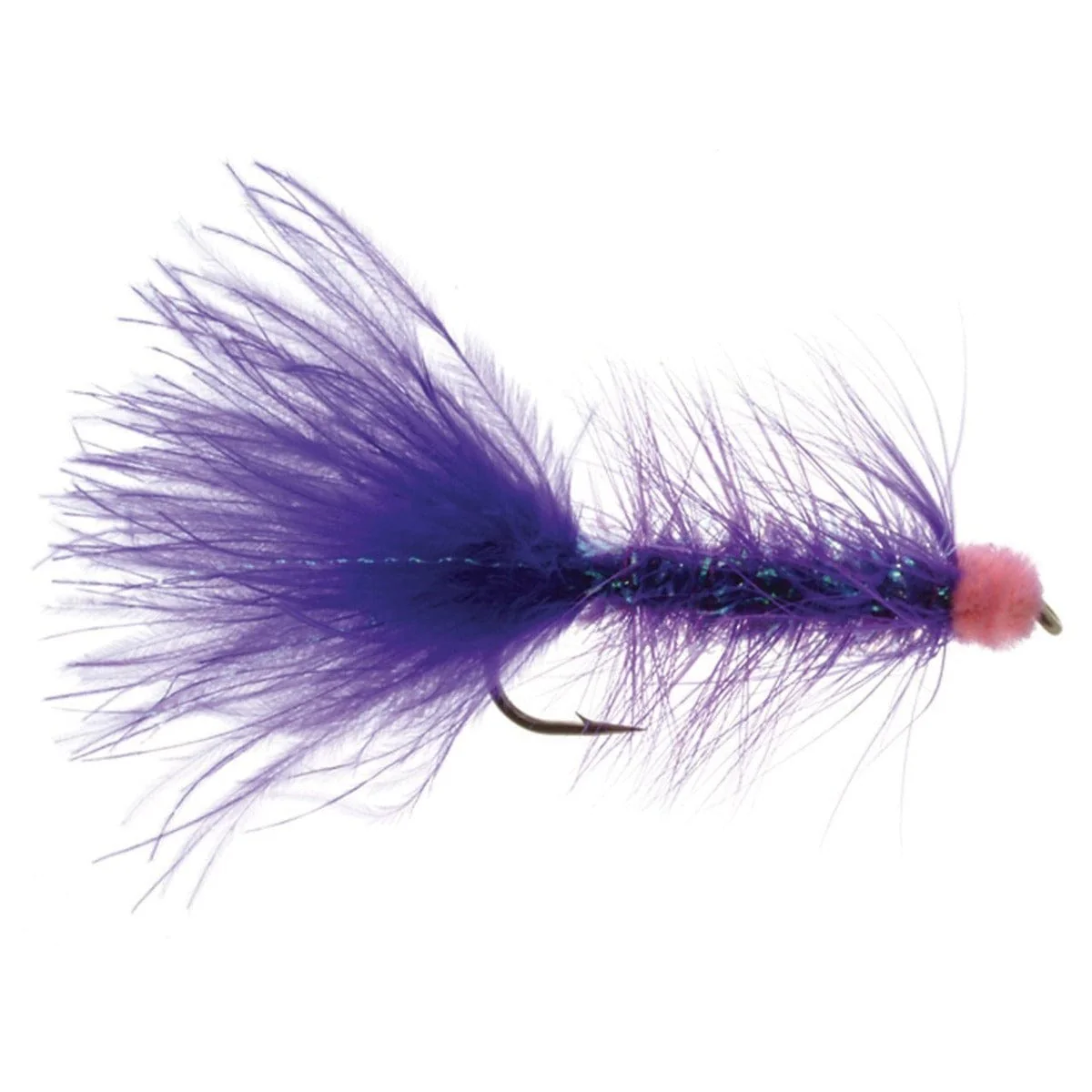
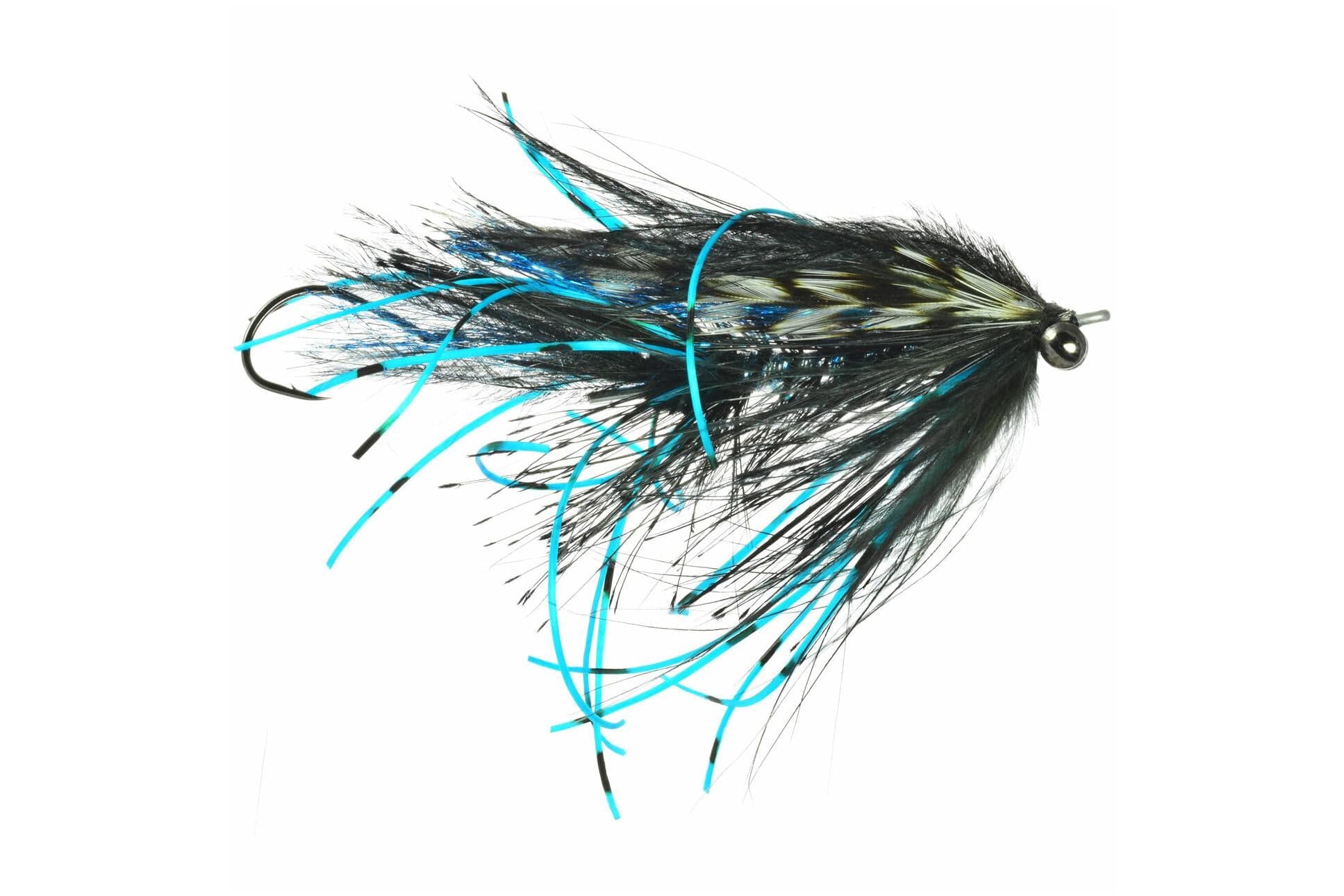
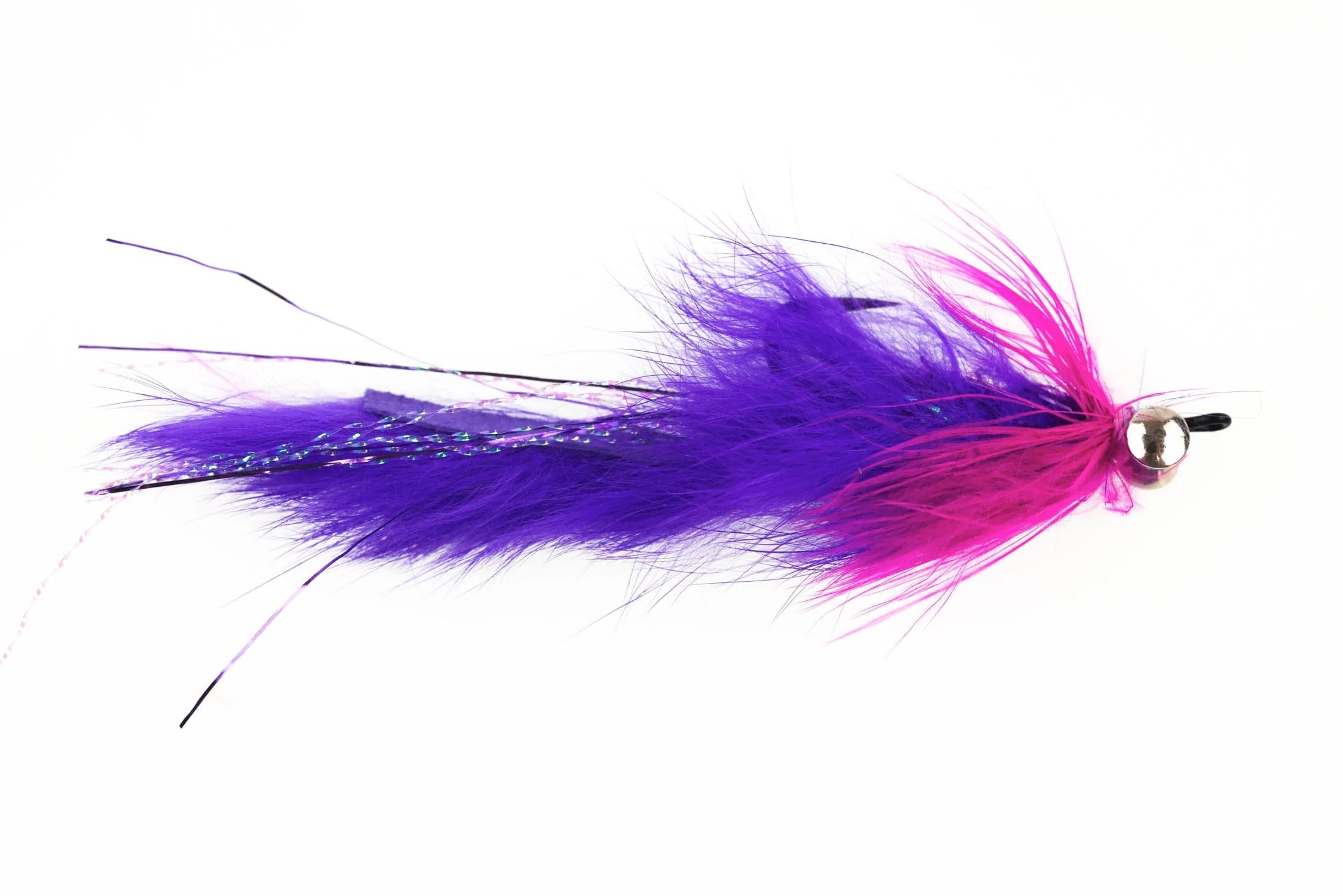
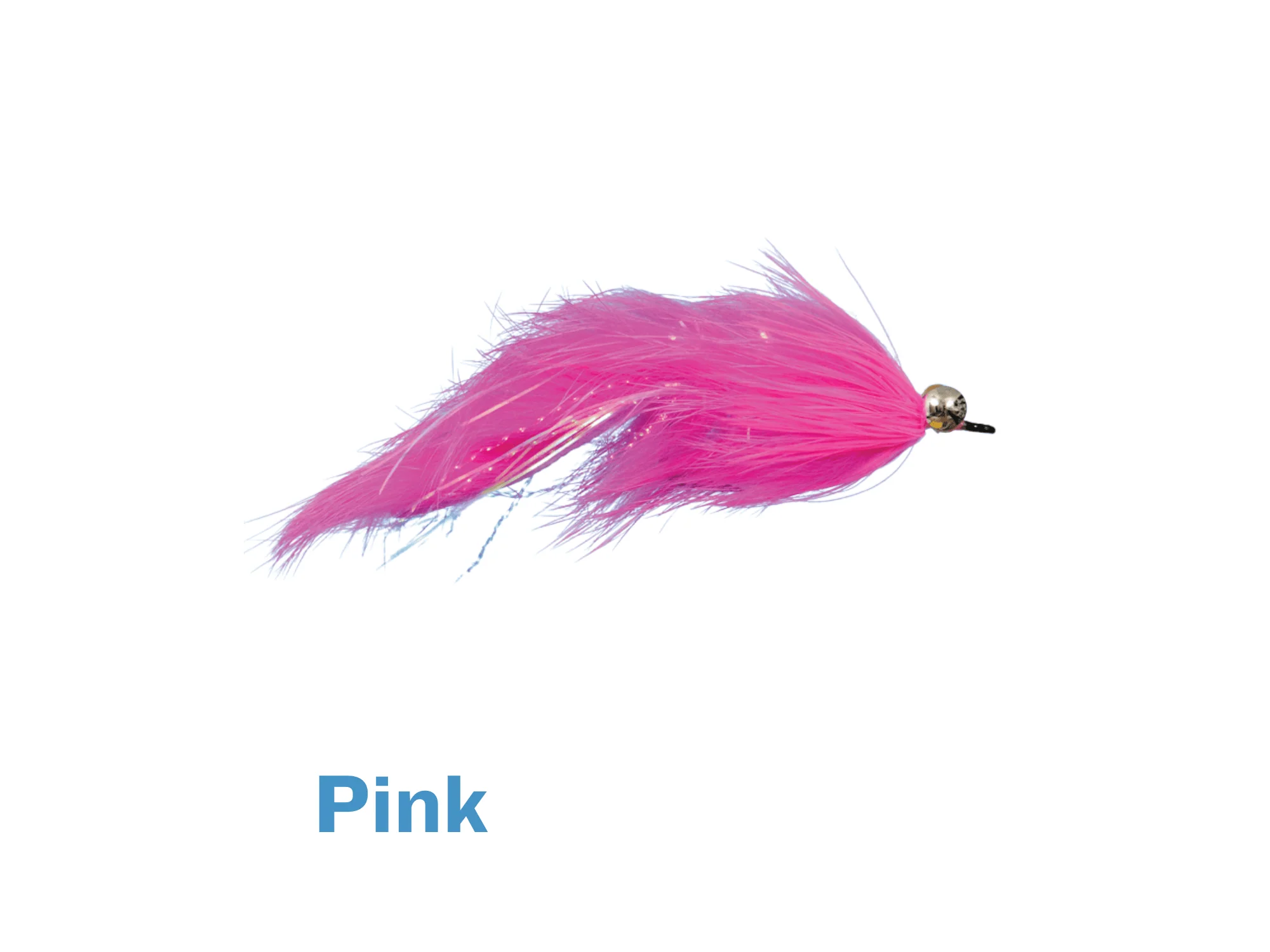
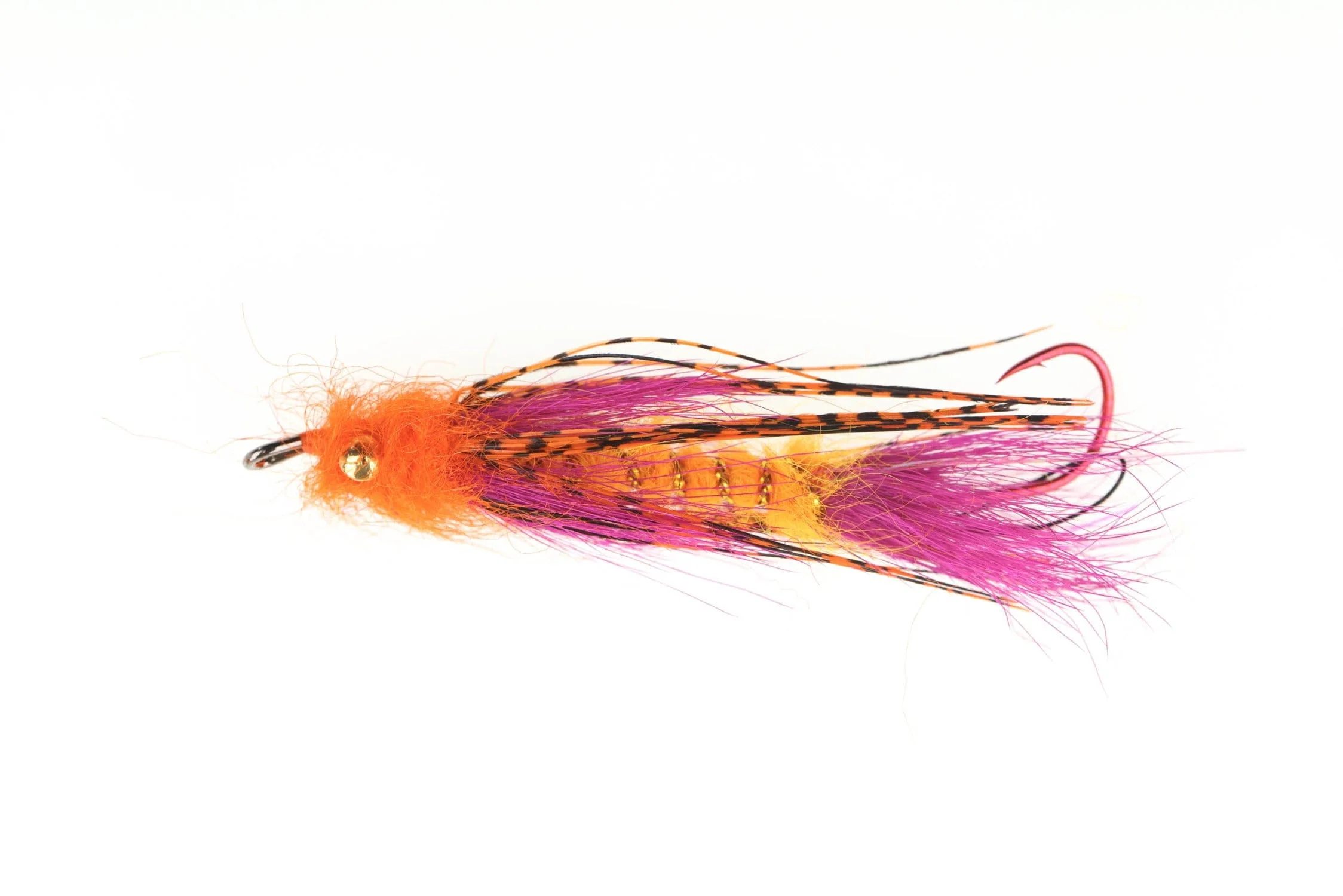
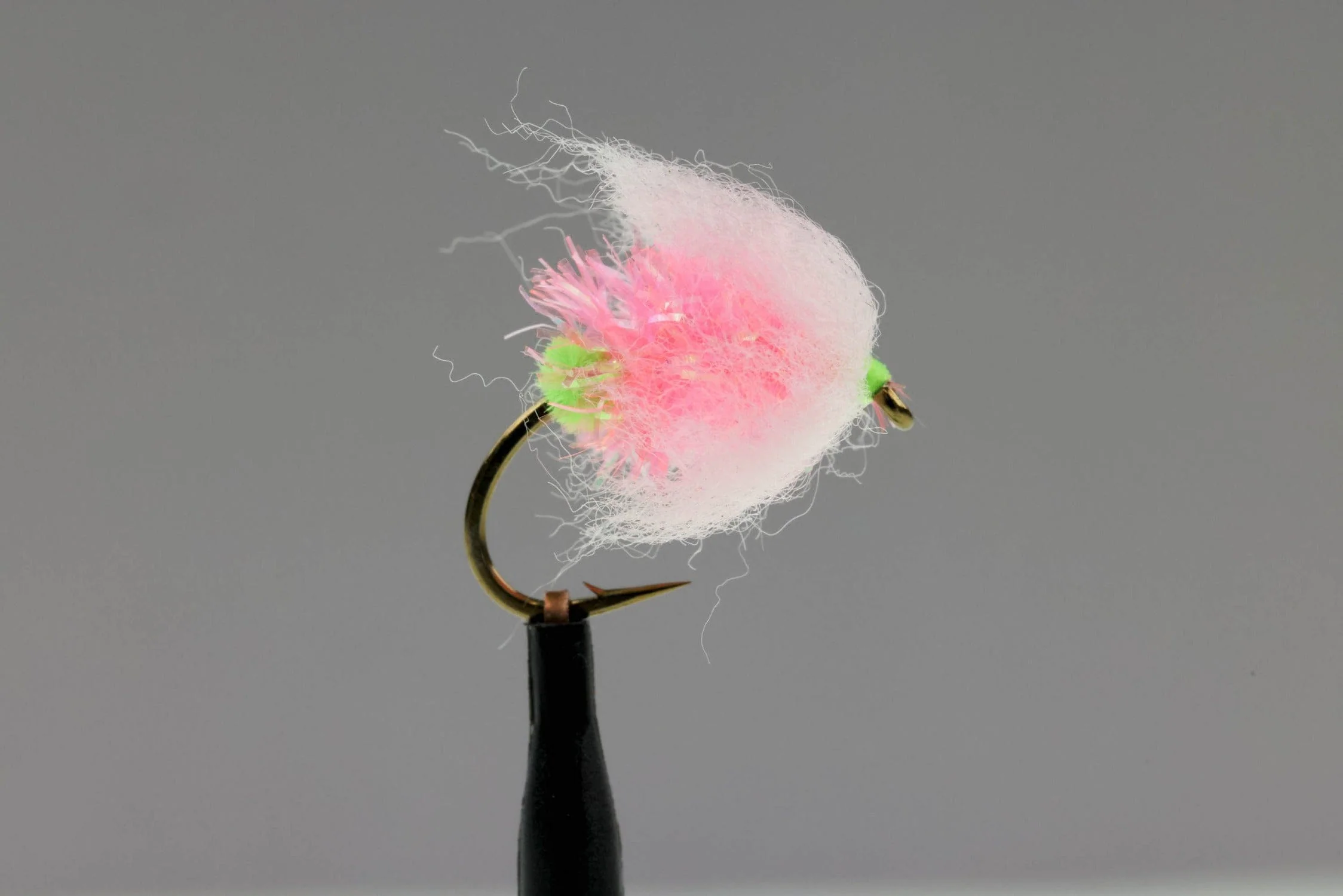
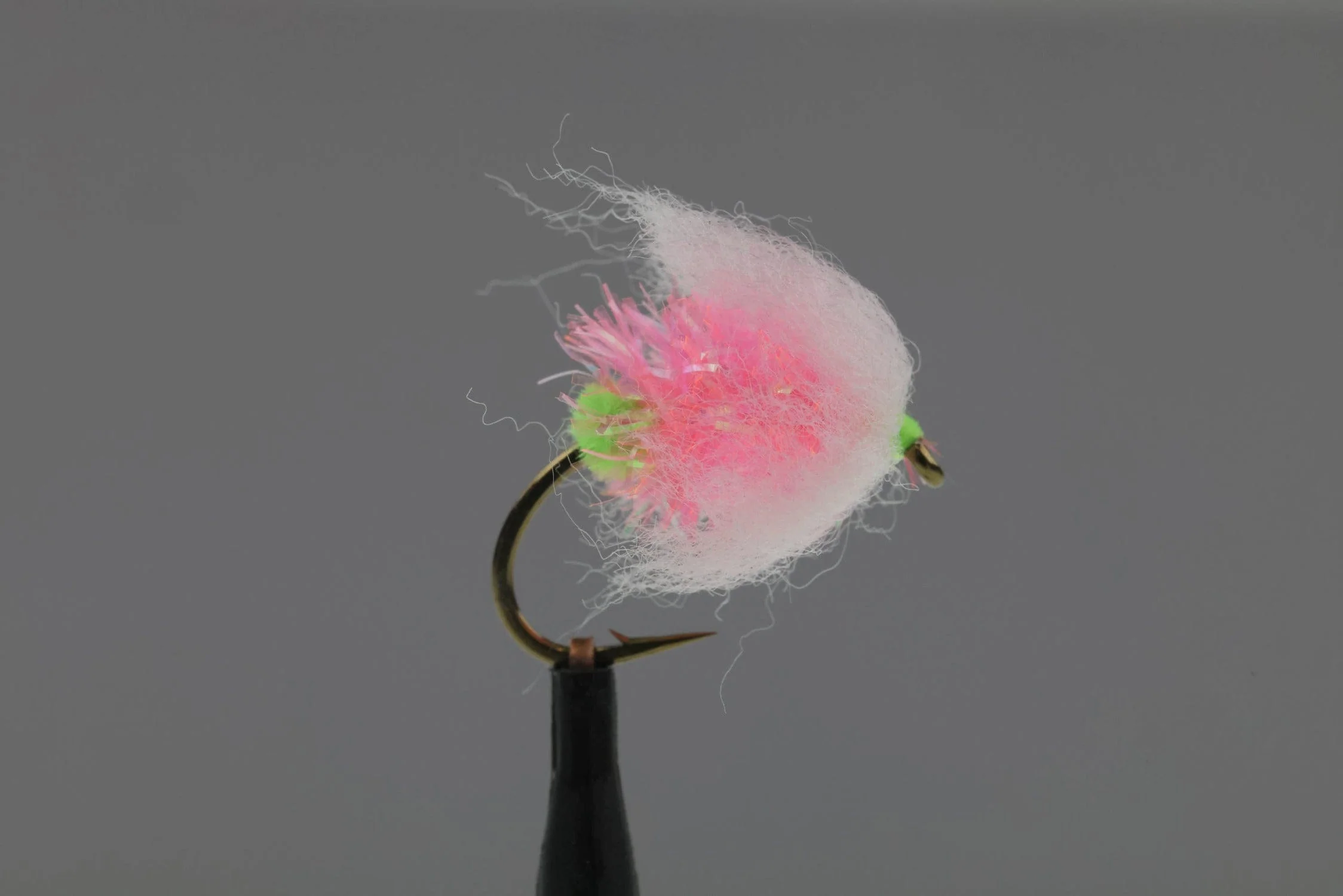
The Lifter Fly is a standout pattern for anglers targeting winter steelhead, salmon, and trout. This fly is an attractor egg pattern designed to grab the attention of fish in cold or off-color water. While it is most famous for its success with steelhead, it earns a spot in any box when fish are keying in on eggs during the spawn. The bright Pink and Chartreuse color combination creates a high-contrast profile that fish can see from a distance.
What It Imitates
This pattern imitates a single fish egg, specifically resembling salmon or steelhead roe drifting in the current. The addition of a translucent veil over the body gives it a milky, realistic appearance that mimics a natural egg in the water. The bright colors also act as an attractor trigger, provoking strikes even when fish are not actively feeding on specific insects.
How To Use It
Fish this fly primarily as a nymph using a dead-drift presentation under a strike indicator. It works exceptionally well when fished near the bottom where fish hold in colder temperatures. You can also fish it on a tight-line rig or swing it through soft water runs at the end of a drift. It serves as an excellent lead fly in a two-fly rig or as a trailing pattern behind a larger stonefly or streamer.
When To Use It
The Lifter Fly shines during the fall, winter, and spring spawning seasons when eggs are a primary food source. It is particularly useful in high or stained water conditions where its vibrant Pink and Chartreuse colors provide necessary visibility. Use this pattern when you need a "change-up" fly after fish have refused more subtle, natural-colored egg imitations.
Why We Like It
We like this pattern because it combines the durability of synthetic materials with the lifelike translucency of natural roe. The veil adds a soft texture that holds onto water and moves subtly, convincing wary fish to hold on longer. It is a versatile pattern that consistently produces results in tough winter conditions when other flies fail to get a reaction.
Comparisons
Lifter Fly vs Glo Bug: The Lifter Fly features a sparkling chenille body and a translucent veil, offering more flash and depth than the matte finish of a traditional yarn Glo Bug. While the Glo Bug is excellent for matching specific egg sizes and solid colors, the Lifter stands out more in murky water due to its reflective materials.
Lifter Fly vs Hard Plastic Bead: The Lifter Fly provides a soft, chewy texture that feels natural to a fish, whereas a hard plastic bead is rigid and often rejected quickly if the hook set isn't instant. The Lifter also has inherent movement from its veil, while a plastic bead relies entirely on current for action.
Lifter Fly vs Sucker Spawn: The Lifter Fly imitates a single, large egg, making it a specific target for fish looking for a substantial meal. The Sucker Spawn imitates a cluster of smaller eggs. You might choose the Lifter when water visibility is low and you need a distinct, singular focal point to draw a strike.
Original: $2.99
-70%$2.99
$0.90Product Information
Product Information
Shipping & Returns
Shipping & Returns
Description
The Lifter Fly is a standout pattern for anglers targeting winter steelhead, salmon, and trout. This fly is an attractor egg pattern designed to grab the attention of fish in cold or off-color water. While it is most famous for its success with steelhead, it earns a spot in any box when fish are keying in on eggs during the spawn. The bright Pink and Chartreuse color combination creates a high-contrast profile that fish can see from a distance.
What It Imitates
This pattern imitates a single fish egg, specifically resembling salmon or steelhead roe drifting in the current. The addition of a translucent veil over the body gives it a milky, realistic appearance that mimics a natural egg in the water. The bright colors also act as an attractor trigger, provoking strikes even when fish are not actively feeding on specific insects.
How To Use It
Fish this fly primarily as a nymph using a dead-drift presentation under a strike indicator. It works exceptionally well when fished near the bottom where fish hold in colder temperatures. You can also fish it on a tight-line rig or swing it through soft water runs at the end of a drift. It serves as an excellent lead fly in a two-fly rig or as a trailing pattern behind a larger stonefly or streamer.
When To Use It
The Lifter Fly shines during the fall, winter, and spring spawning seasons when eggs are a primary food source. It is particularly useful in high or stained water conditions where its vibrant Pink and Chartreuse colors provide necessary visibility. Use this pattern when you need a "change-up" fly after fish have refused more subtle, natural-colored egg imitations.
Why We Like It
We like this pattern because it combines the durability of synthetic materials with the lifelike translucency of natural roe. The veil adds a soft texture that holds onto water and moves subtly, convincing wary fish to hold on longer. It is a versatile pattern that consistently produces results in tough winter conditions when other flies fail to get a reaction.
Comparisons
Lifter Fly vs Glo Bug: The Lifter Fly features a sparkling chenille body and a translucent veil, offering more flash and depth than the matte finish of a traditional yarn Glo Bug. While the Glo Bug is excellent for matching specific egg sizes and solid colors, the Lifter stands out more in murky water due to its reflective materials.
Lifter Fly vs Hard Plastic Bead: The Lifter Fly provides a soft, chewy texture that feels natural to a fish, whereas a hard plastic bead is rigid and often rejected quickly if the hook set isn't instant. The Lifter also has inherent movement from its veil, while a plastic bead relies entirely on current for action.
Lifter Fly vs Sucker Spawn: The Lifter Fly imitates a single, large egg, making it a specific target for fish looking for a substantial meal. The Sucker Spawn imitates a cluster of smaller eggs. You might choose the Lifter when water visibility is low and you need a distinct, singular focal point to draw a strike.