Juju Baetis Tungsten Bead Fly
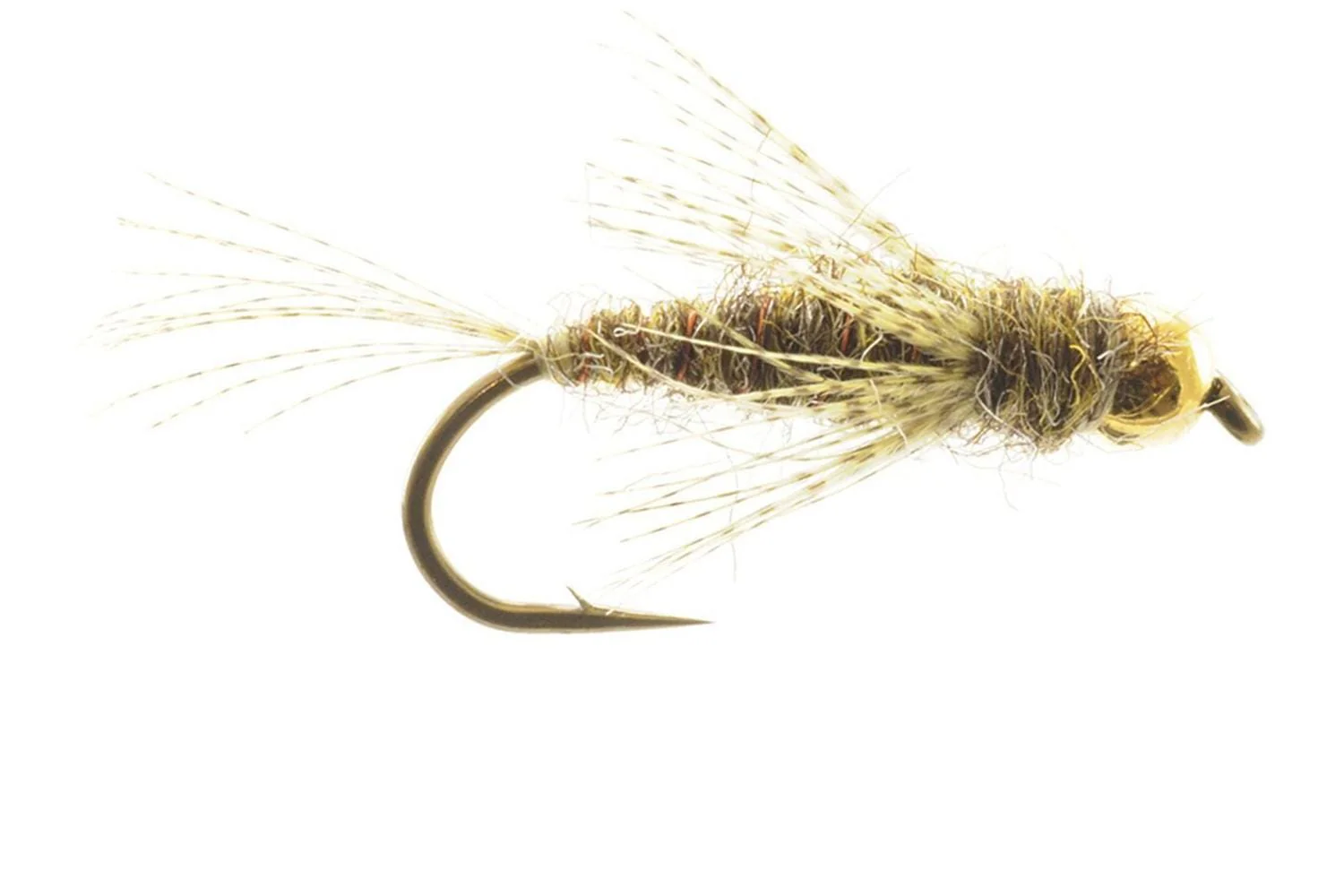
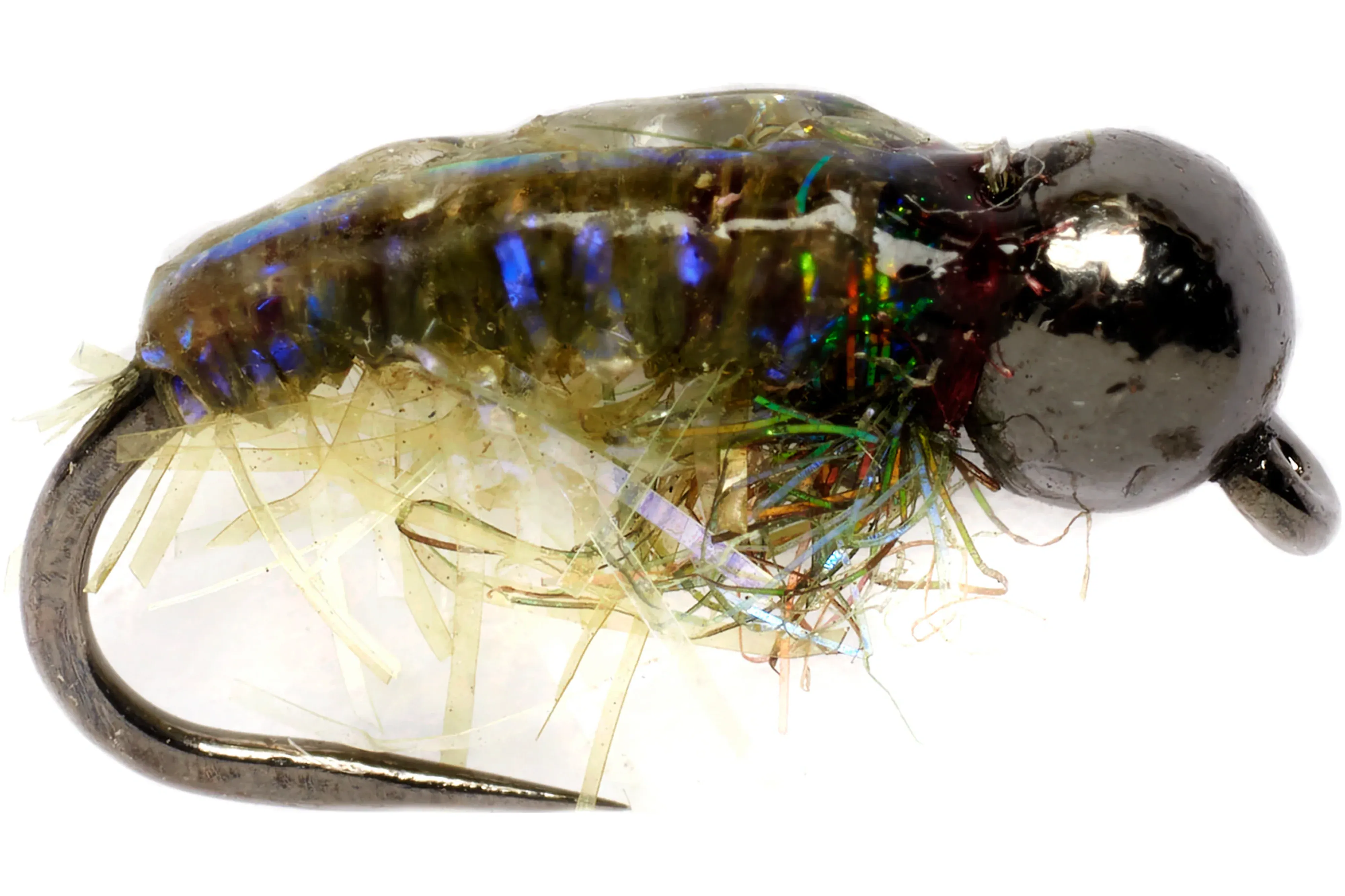
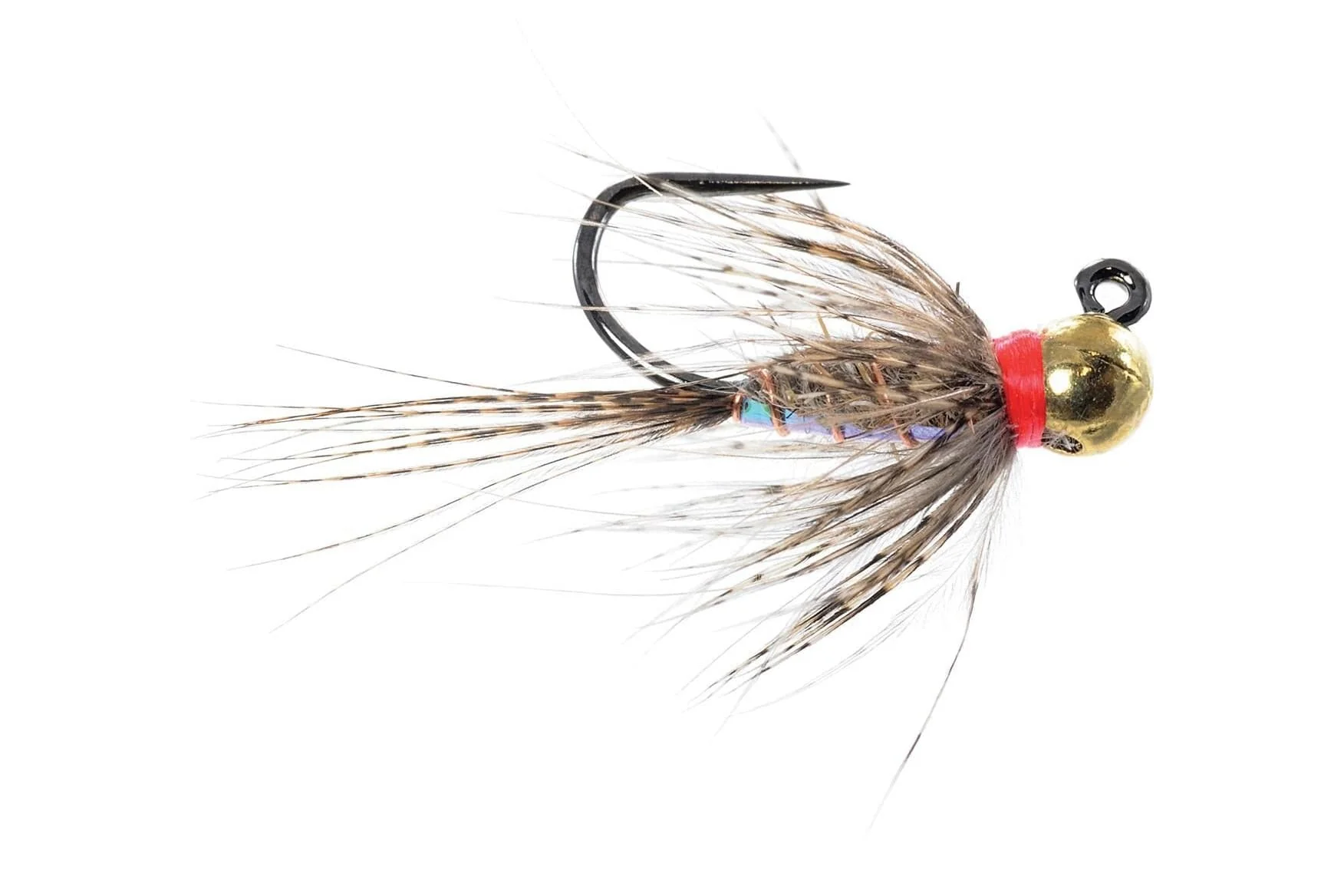
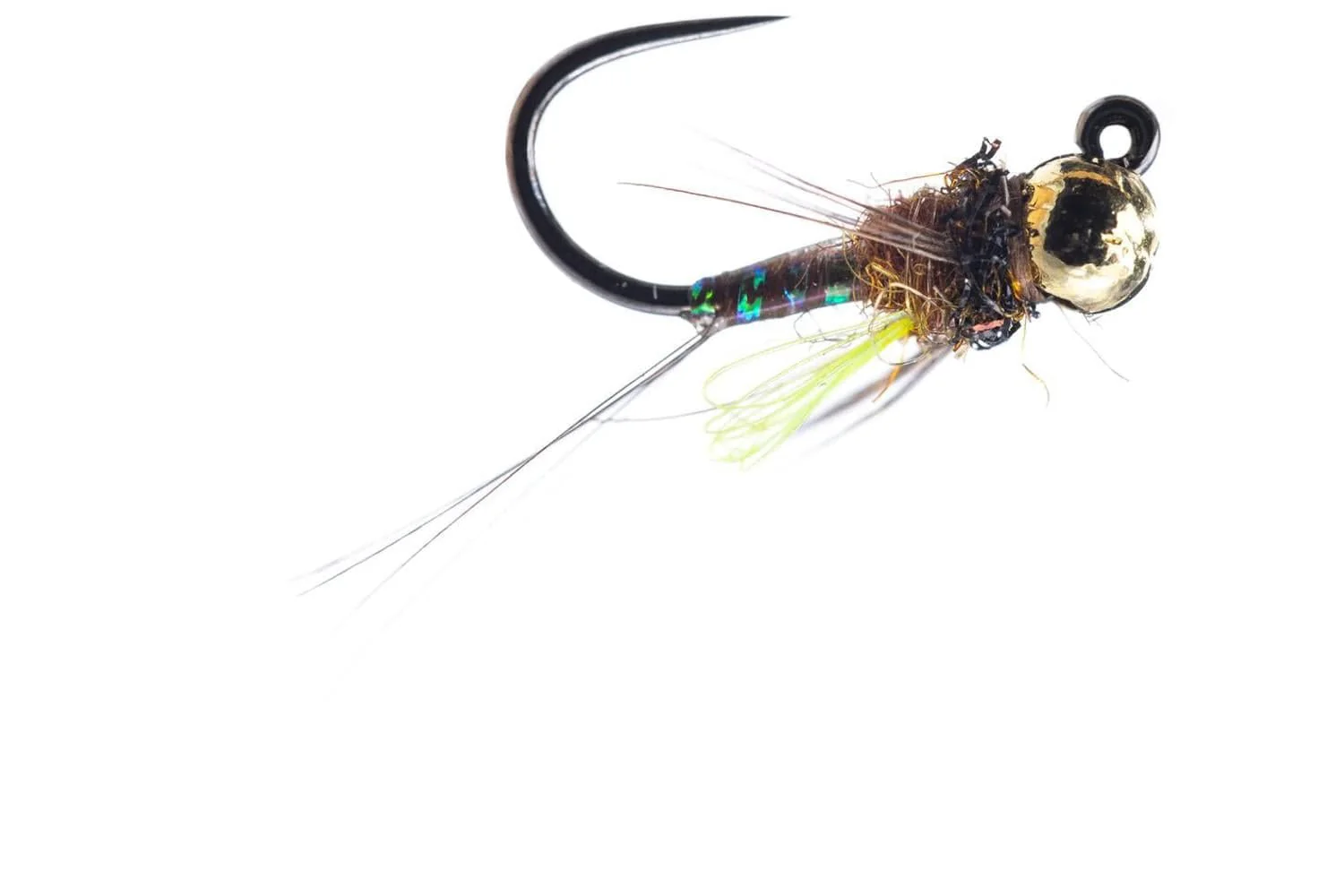
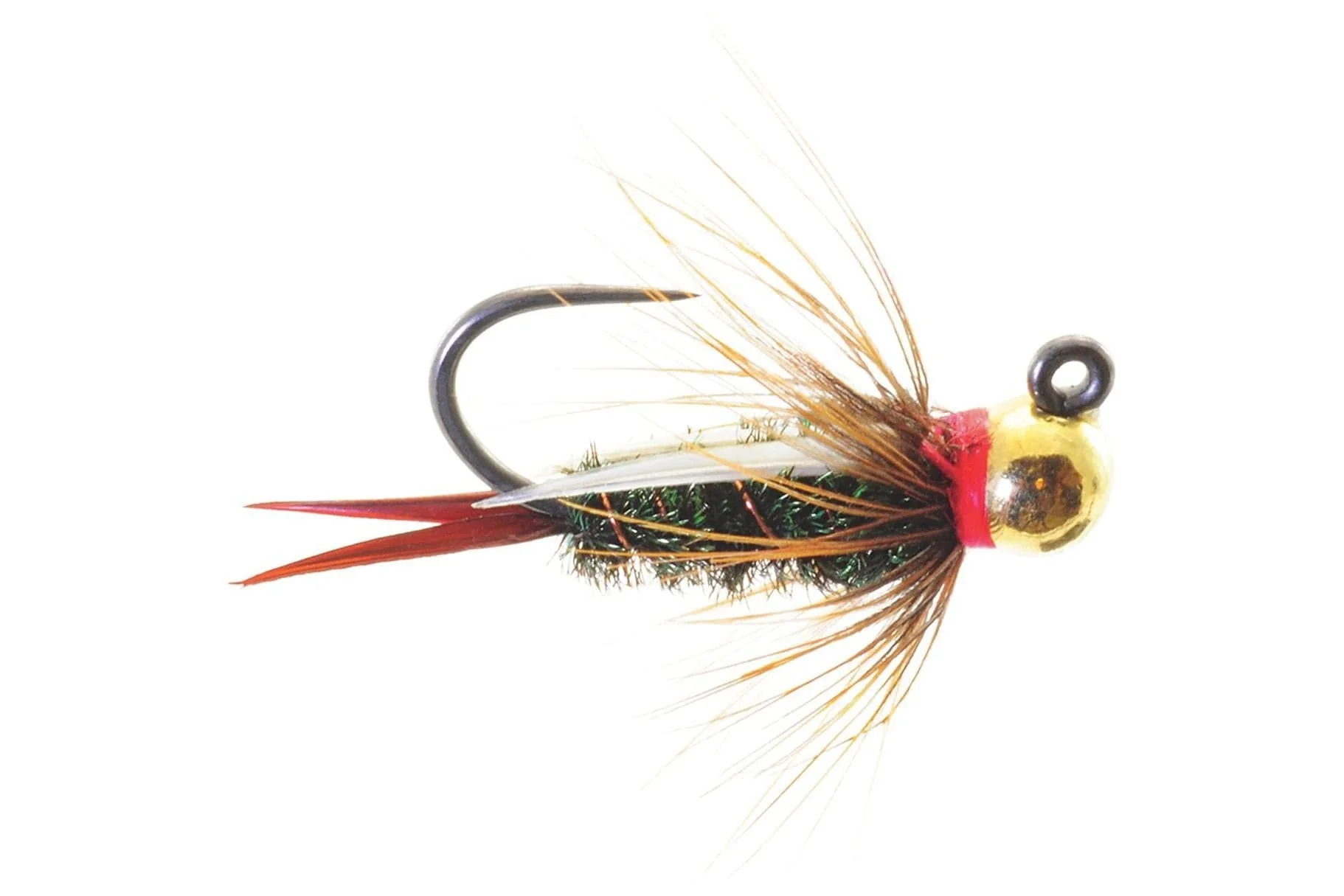
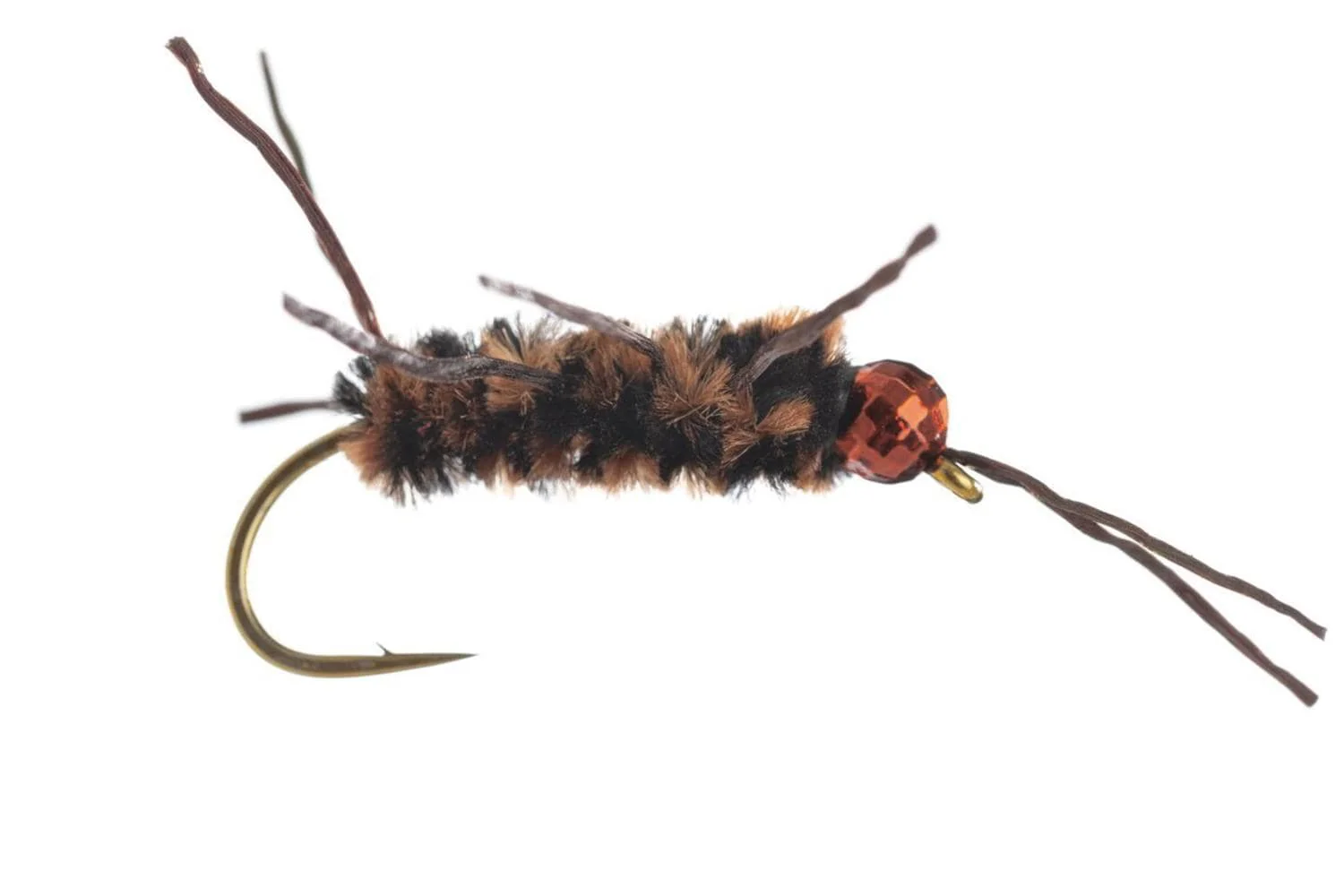
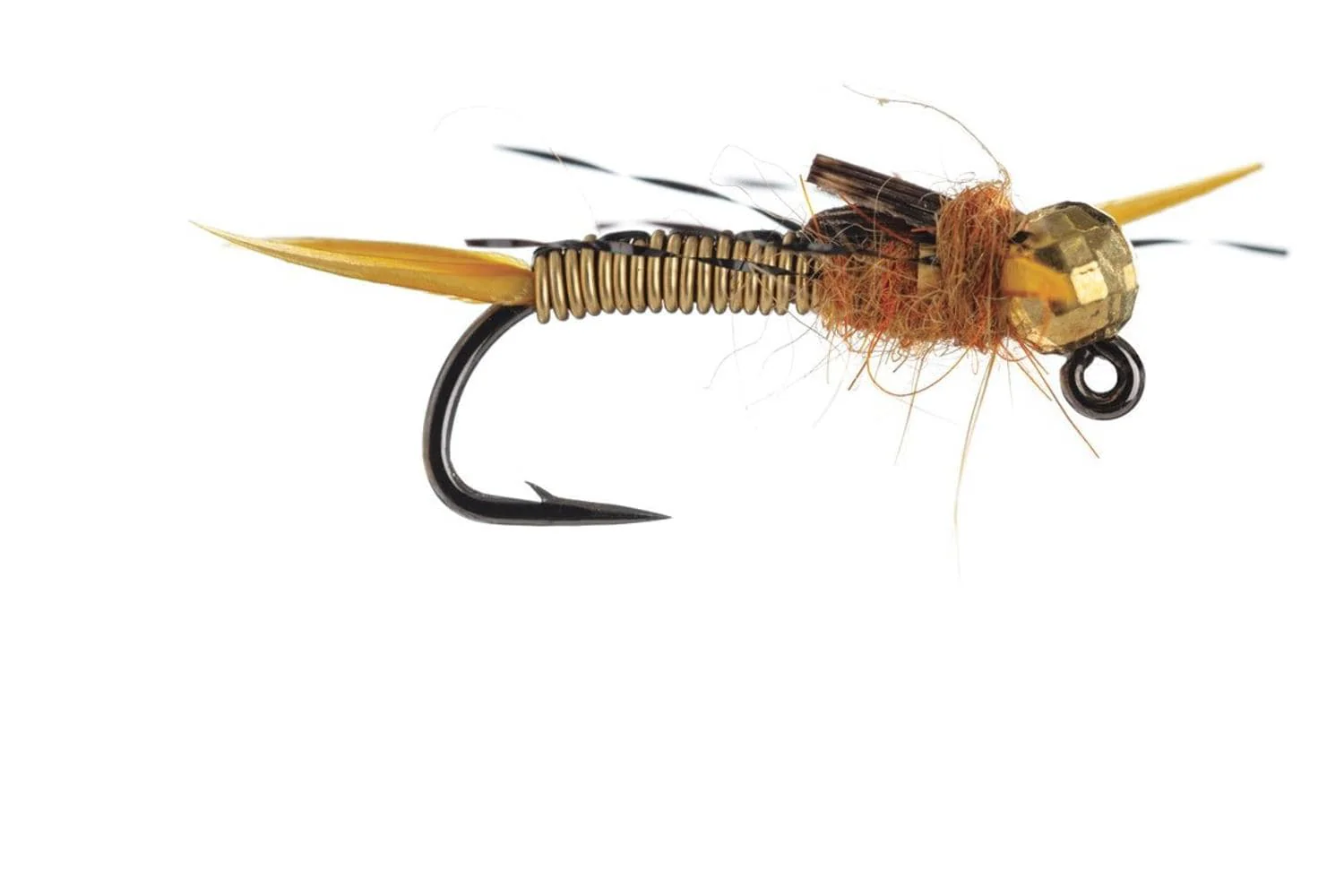
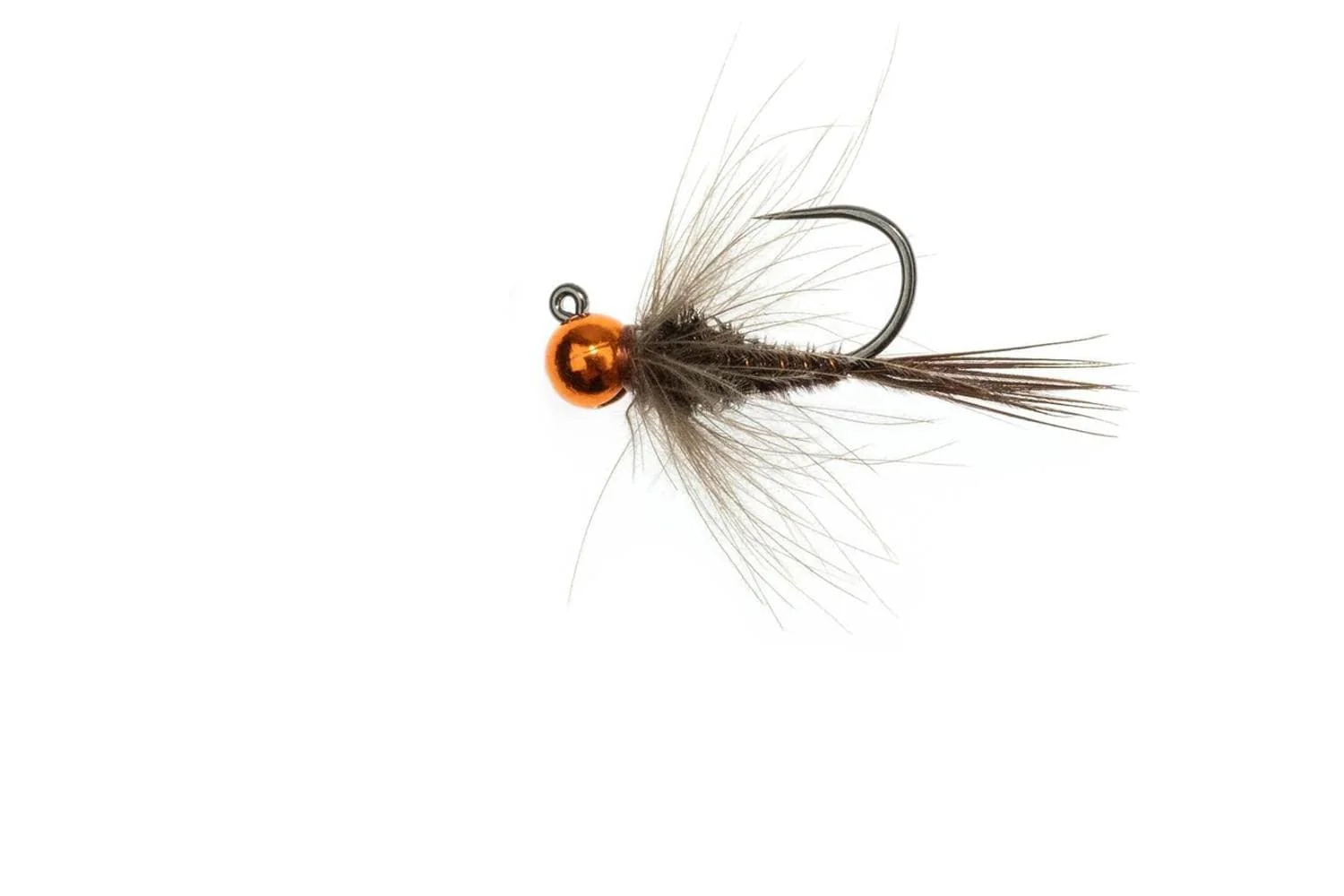
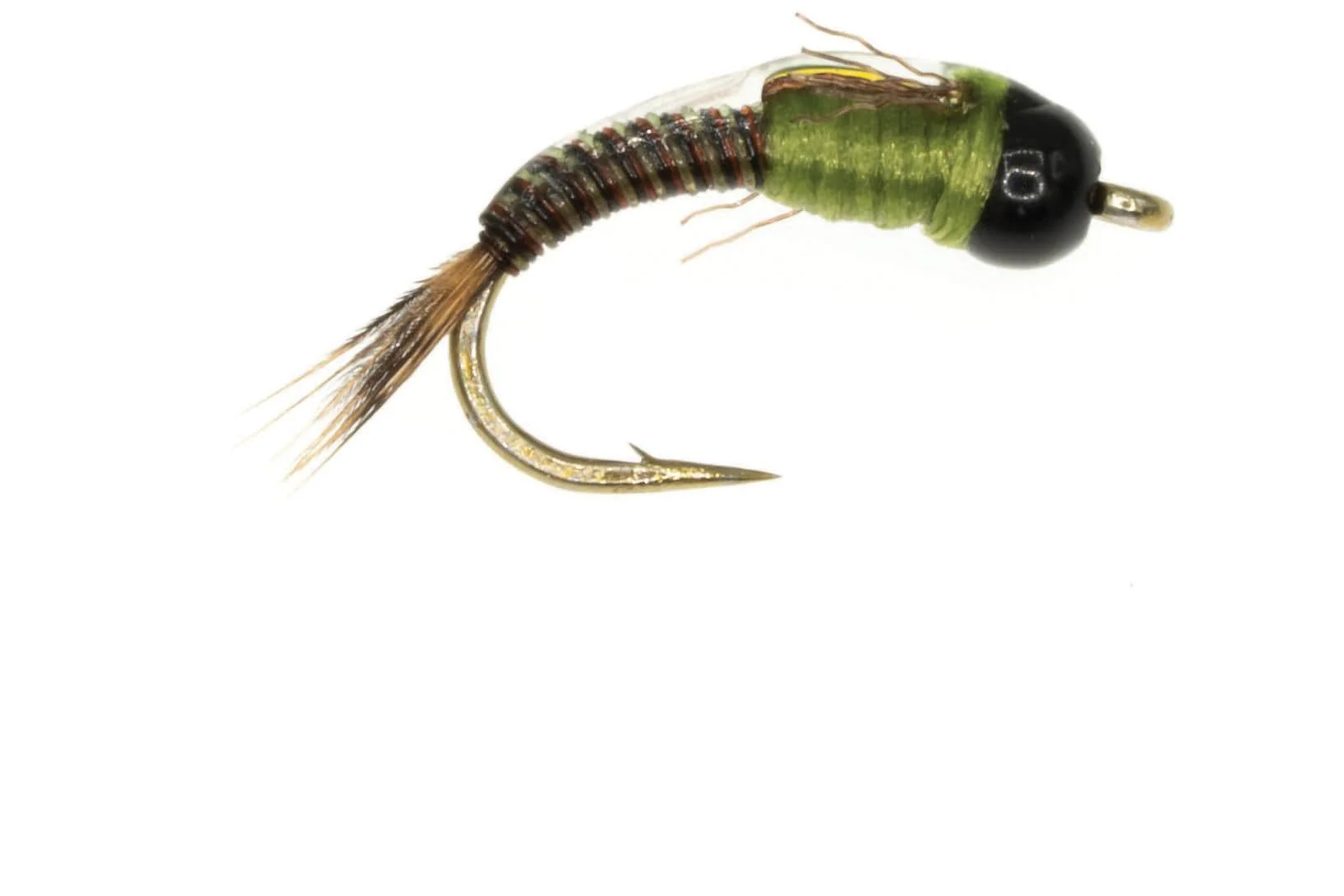
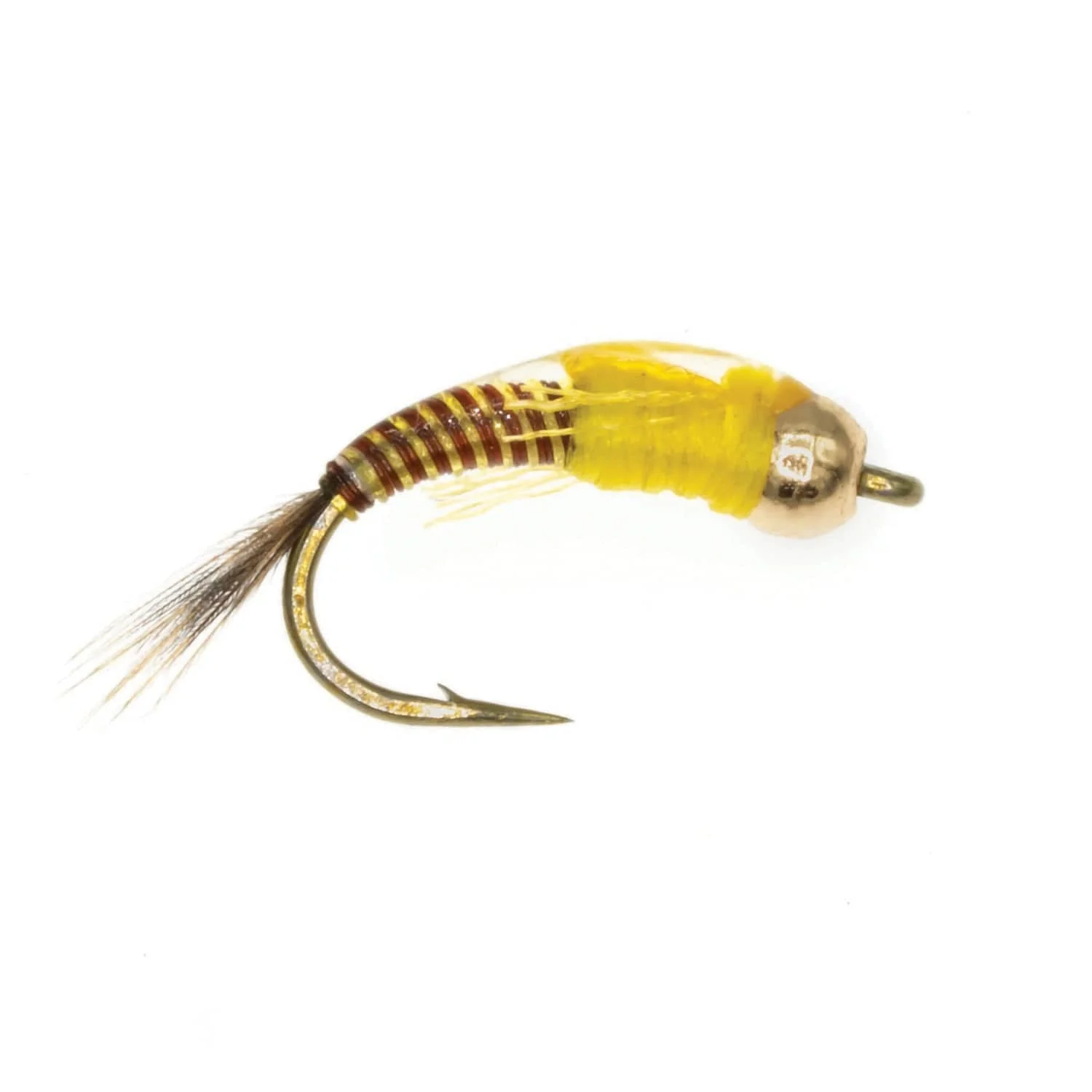
The Juju Baetis Tungsten Bead Fly is a premier pattern for targeting selective trout in technical tailwaters and clear streams. Designed to mimic the slim profile of a Baetis nymph, this fly features a heavy tungsten bead that sinks it quickly into the feeding zone. It is a must-have for anglers who need a realistic silhouette that can fool pressure-weary fish. This pattern is essential for catching trout that ignore bulkier or less realistic artificial flies.
What It Imitates
This pattern imitates the nymphal stage of the Baetis mayfly, commonly known as the Blue Winged Olive. The segmented body and distinct wing case also allow it to pass for a midge larva or pupa in smaller sizes. Its sleek, epoxy-coated finish replicates the natural sheen of an insect preparing to emerge.
How To Use It
Fish this fly deep using a dead-drift presentation under a strike indicator or as part of a tight-line Euro nymphing setup. The tungsten bead helps it cut through the current to reach the bottom where trout hold. It performs exceptionally well as a dropper fly trailing behind a larger stonefly or attractor pattern. Use it in pocket water or deep runs where getting your flies down fast is critical for success.
When To Use It
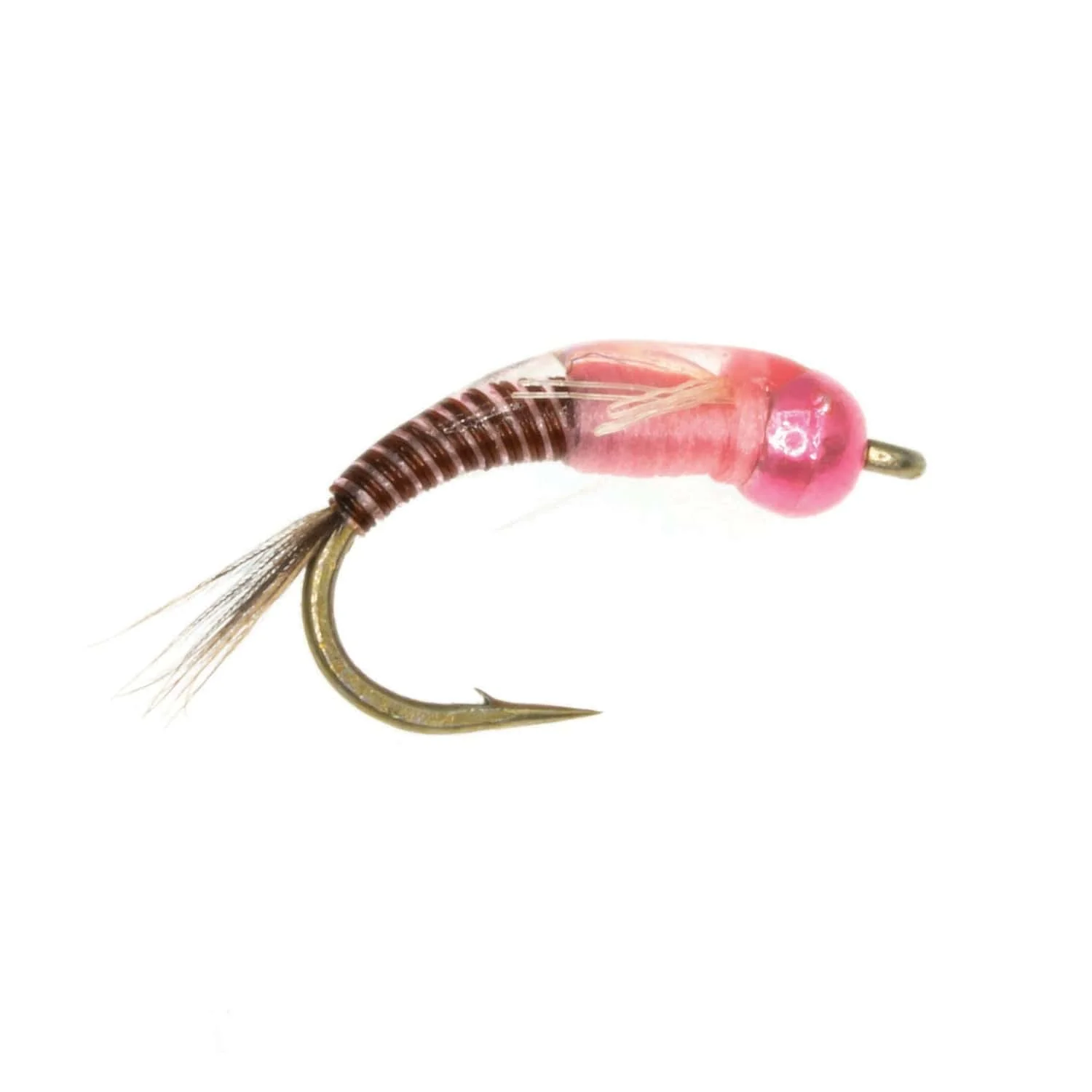
Tie this pattern on during Blue Winged Olive hatches, which typically occur in the spring and fall on cloudy days. It is also a productive searching pattern year-round on tailwaters where small mayflies and midges are constantly present. The darker colors work well in clear water, while brighter variations like Red or Purple can trigger strikes in stained water or low-light conditions.
Why We Like It
We rely on the Juju Baetis because it combines extreme durability with a lifelike appearance that fish find hard to refuse. The resin coating protects the thread and materials from sharp teeth, meaning one fly can last through many catches. Its slender profile sinks faster than bulky fur-bodied nymphs, giving you a better drift in complex currents.
Comparisons
Juju Baetis Tungsten Bead Fly vs RS2
The Juju Baetis is built to sink rapidly and fish near the bottom, while the RS2 is typically an unweighted emerger pattern designed for the upper water column. Choose the Juju Baetis when you need to reach deep holding fish in fast water. The RS2 is the better choice when trout are feeding on insects rising to the surface or suspended in the film.
Juju Baetis Tungsten Bead Fly vs Tungsten Pheasant Tail
The Tungsten Pheasant Tail uses natural fibers to create a buggy and textured profile, whereas the Juju Baetis uses synthetic materials for a smooth and slender look. The Juju Baetis is significantly more durable due to its protective coating and holds up better after multiple fish. Select the Pheasant Tail for a traditional presentation and the Juju for highly pressured tailwater environments.
Juju Baetis Tungsten Bead Fly vs Zebra Midge
The Zebra Midge is a simple pattern that specifically imitates midge pupae, while the Juju Baetis features a wing case and legs to represent a mayfly nymph. The Juju Baetis is the superior option during BWO hatches or when fish are looking for a more substantial meal. The Zebra Midge is ideal for winter fishing or when midges are the primary food source.
Original: $3.49
-70%$3.49
$1.05Product Information
Product Information
Shipping & Returns
Shipping & Returns
Description
The Juju Baetis Tungsten Bead Fly is a premier pattern for targeting selective trout in technical tailwaters and clear streams. Designed to mimic the slim profile of a Baetis nymph, this fly features a heavy tungsten bead that sinks it quickly into the feeding zone. It is a must-have for anglers who need a realistic silhouette that can fool pressure-weary fish. This pattern is essential for catching trout that ignore bulkier or less realistic artificial flies.
What It Imitates
This pattern imitates the nymphal stage of the Baetis mayfly, commonly known as the Blue Winged Olive. The segmented body and distinct wing case also allow it to pass for a midge larva or pupa in smaller sizes. Its sleek, epoxy-coated finish replicates the natural sheen of an insect preparing to emerge.
How To Use It
Fish this fly deep using a dead-drift presentation under a strike indicator or as part of a tight-line Euro nymphing setup. The tungsten bead helps it cut through the current to reach the bottom where trout hold. It performs exceptionally well as a dropper fly trailing behind a larger stonefly or attractor pattern. Use it in pocket water or deep runs where getting your flies down fast is critical for success.
When To Use It
Tie this pattern on during Blue Winged Olive hatches, which typically occur in the spring and fall on cloudy days. It is also a productive searching pattern year-round on tailwaters where small mayflies and midges are constantly present. The darker colors work well in clear water, while brighter variations like Red or Purple can trigger strikes in stained water or low-light conditions.
Why We Like It
We rely on the Juju Baetis because it combines extreme durability with a lifelike appearance that fish find hard to refuse. The resin coating protects the thread and materials from sharp teeth, meaning one fly can last through many catches. Its slender profile sinks faster than bulky fur-bodied nymphs, giving you a better drift in complex currents.
Comparisons
Juju Baetis Tungsten Bead Fly vs RS2
The Juju Baetis is built to sink rapidly and fish near the bottom, while the RS2 is typically an unweighted emerger pattern designed for the upper water column. Choose the Juju Baetis when you need to reach deep holding fish in fast water. The RS2 is the better choice when trout are feeding on insects rising to the surface or suspended in the film.
Juju Baetis Tungsten Bead Fly vs Tungsten Pheasant Tail
The Tungsten Pheasant Tail uses natural fibers to create a buggy and textured profile, whereas the Juju Baetis uses synthetic materials for a smooth and slender look. The Juju Baetis is significantly more durable due to its protective coating and holds up better after multiple fish. Select the Pheasant Tail for a traditional presentation and the Juju for highly pressured tailwater environments.
Juju Baetis Tungsten Bead Fly vs Zebra Midge
The Zebra Midge is a simple pattern that specifically imitates midge pupae, while the Juju Baetis features a wing case and legs to represent a mayfly nymph. The Juju Baetis is the superior option during BWO hatches or when fish are looking for a more substantial meal. The Zebra Midge is ideal for winter fishing or when midges are the primary food source.